There's a moment at the salon when you catch your reflection, look at all that long, tired hair, and simply feel done with it. Not because of your age — but because your hair no longer gives you the feeling it used to.
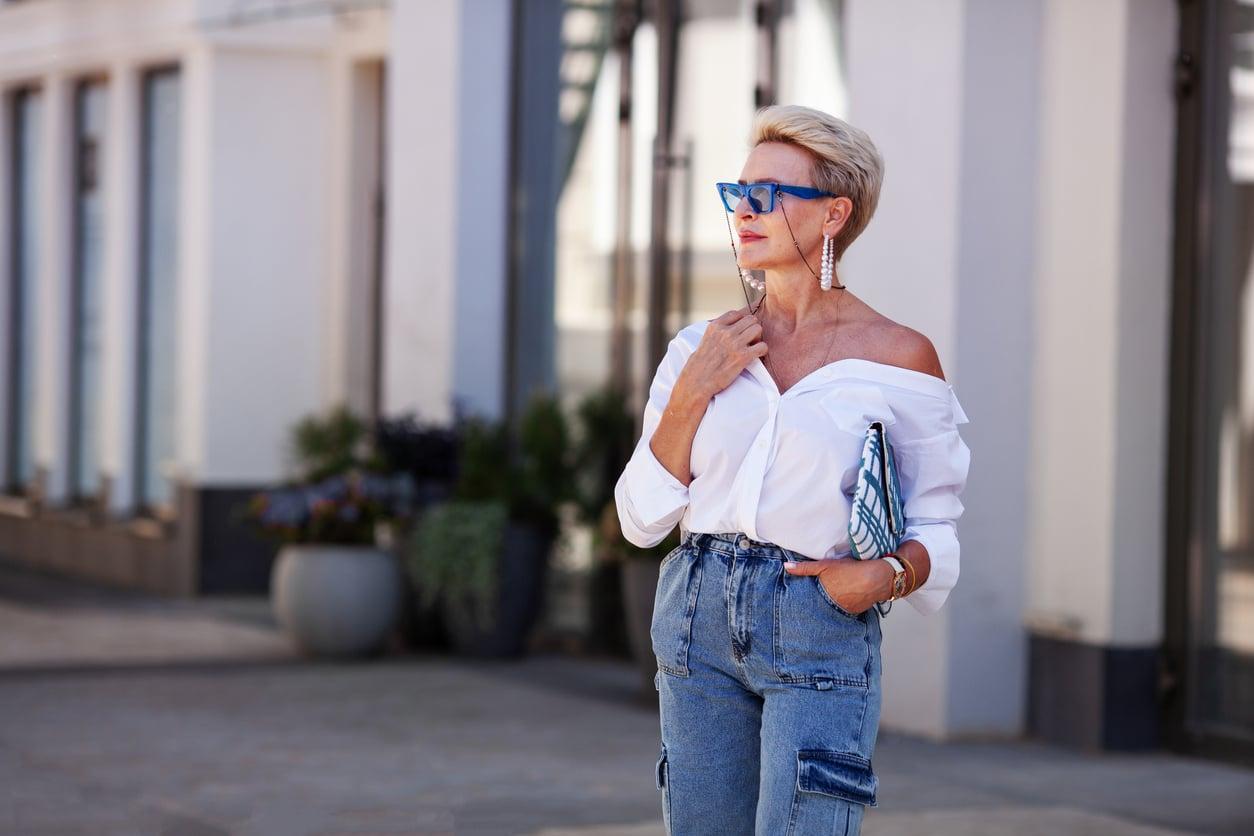
The pixie cut is made for exactly that moment. It isn't running away from youth — it's a bold, freeing decision that, even after 60, can suit you as perfectly as a well-tailored coat.
Why the pixie works so well at this stage of life
Hair changes over the years. It often becomes finer, wavier, or flatter than it once was. A short, layered cut turns that change into an advantage: shorter strands hold their shape more easily and need far less heat styling, product, and fuss to look full.
A well-chosen pixie also draws the eye upward, highlighting your eyes and cheekbones. That alone has an instantly refreshing effect.
Which pixie suits your face shape
Not every pixie is the same — and that's the good news. It can be tailored to almost anyone.
- Round face: go for a taller version — shorter at the nape, fuller on top — to add a sense of length to the face.
- Square face: a softer pixie swept to the side with gentle, wispy pieces helps soften strong, angular lines.
- Oval face: almost any version looks great, so feel free to experiment — even with an asymmetric shape.
- Heart-shaped face: slightly longer, softer pieces left around the jaw balance out a wider forehead.
Texture is the secret — not length
Many women worry that short hair will only expose gray strands or thinning. In reality, the opposite is true.
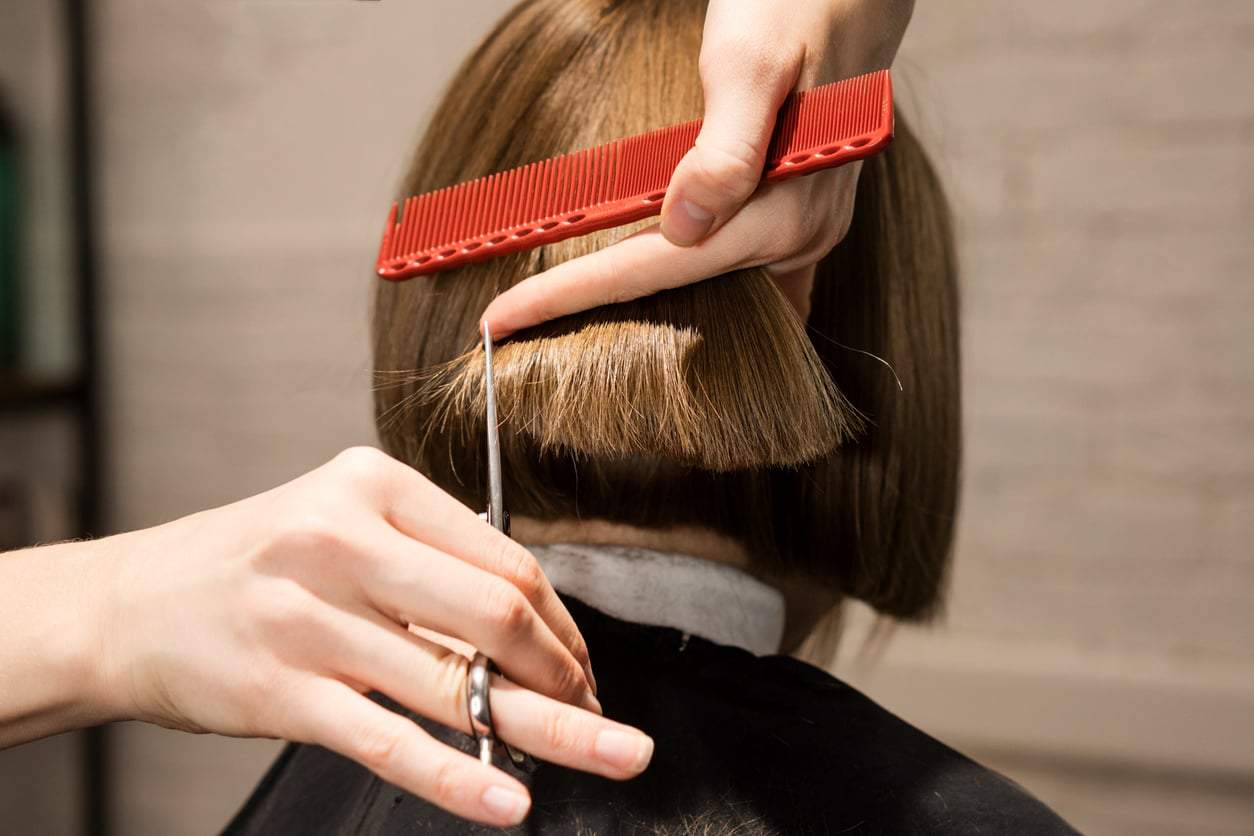
A layered, textured cut visually thickens the hair, because every strand ends at a different length, adding volume exactly where long hair tends to fall flat. With finger-cut, piece-by-piece ends, an experienced stylist can create movement that takes ten years off the overall look — without a single thing feeling overdone.
Short hair doesn't hide you — it reveals you: your face, your posture, your gaze take center stage, and that kind of honesty is youthful energy in itself.
The color choices that really lift the look
The right shade adds a lot to a pixie. Warm honey tones or cool silvery highlights soften the lines of the face and break up the flat, one-dimensional effect a solid dark color can start to create over time.
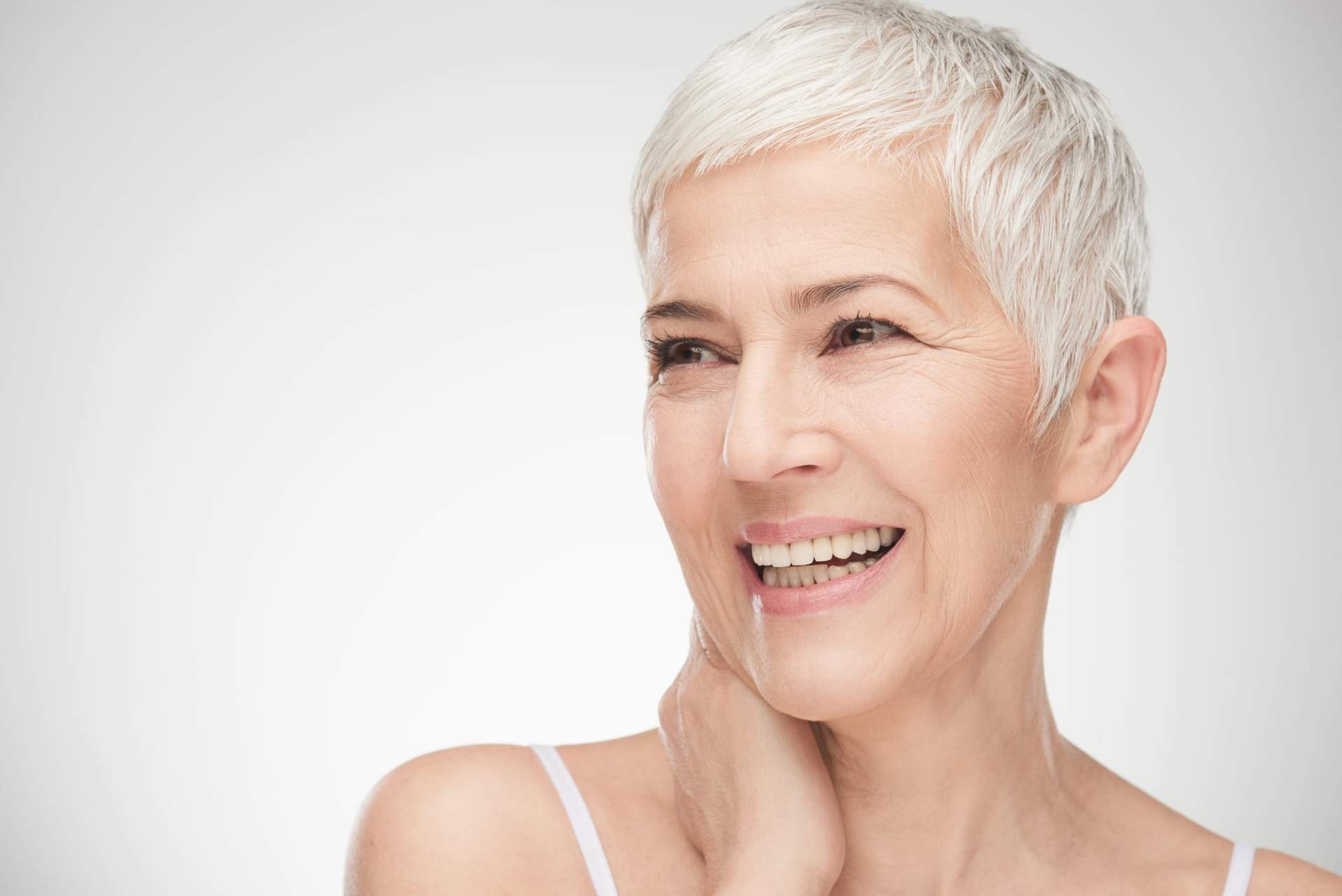
Plenty of women also embrace fully gray hair — and paired with a well-structured pixie, the result is remarkably elegant and confident.
Everyday styling that genuinely takes minutes
One of the pixie's greatest gifts is that mornings become effortless. A walnut-sized amount of volumizing mousse, rubbed between your palms and worked into the roots with your fingers, then a few minutes of blow-drying upside down — and your hair is done.
If you want extra hold, a light, matte hair wax on the ends keeps that layered effect looking sharp all day.
What to tell your stylist
Be specific about how much upkeep and staying power you actually want. The pixie is a close, precise shape that needs trimming every four to six weeks on average — otherwise it loses its character.
If you're cutting off long hair for the very first time, consider going shorter in stages. That way you can get used to the new proportions before you land on the shortest, boldest version.
Is a pixie cut a good idea after 60?
Absolutely. As hair naturally becomes finer or flatter with age, a short layered cut holds its shape more easily and looks fuller with far less effort.
How often does a pixie cut need trimming?
On average every four to six weeks. Because it's such a close, precise shape, it loses its character quickly if you let it grow out too long.
Will short hair make gray or thinning hair more obvious?
Not with the right cut. A layered, textured pixie actually adds volume, since every strand ends at a different length — creating fullness where long hair would fall flat.
How long does it take to style a pixie in the morning?
Just a few minutes. A small amount of volumizing mousse worked into the roots, a quick upside-down blow-dry, and a touch of matte wax on the ends is all it takes.