After 50, your hair often takes on a completely different character than the one you got used to over the decades. It thins out, loses its bounce, and the strands that once held a full, effortless bun now cling limply to your scalp.
Here's the good news: a smartly chosen short haircut doesn't just hide the problem — it can actually work a little magic. The right cut can visually double the volume of your hair without adding a single strand.
Why does going shorter help the most?
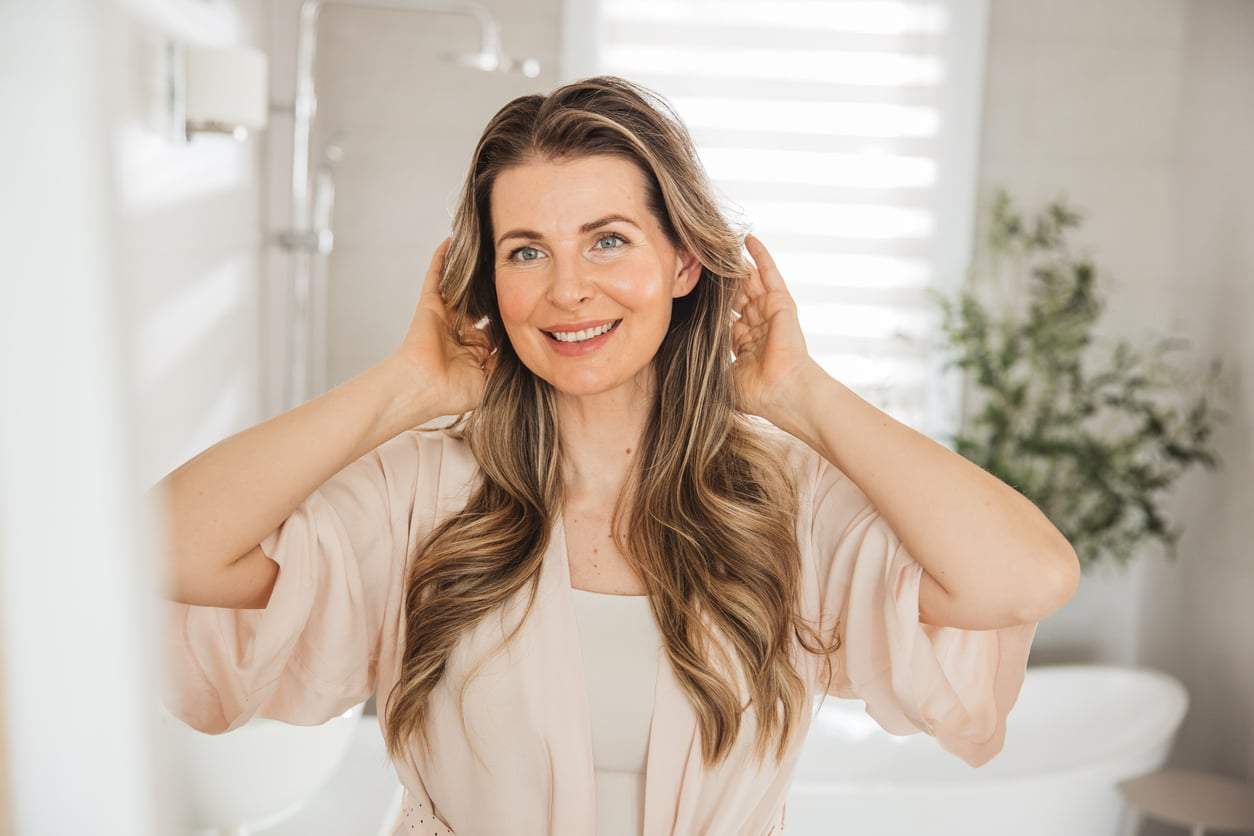
Long hair drags itself down under its own weight. The strands flatten against your scalp, and the longer the length, the harder it is to hold any shape at all.
With a cut around the chin or shorter, the weight of the hair is minimal — so the lift you brush in each morning stays put at the roots for far longer. That simple bit of physics is exactly why hairstylists almost always recommend shorter styles for fine, graying hair.
The classic pixie
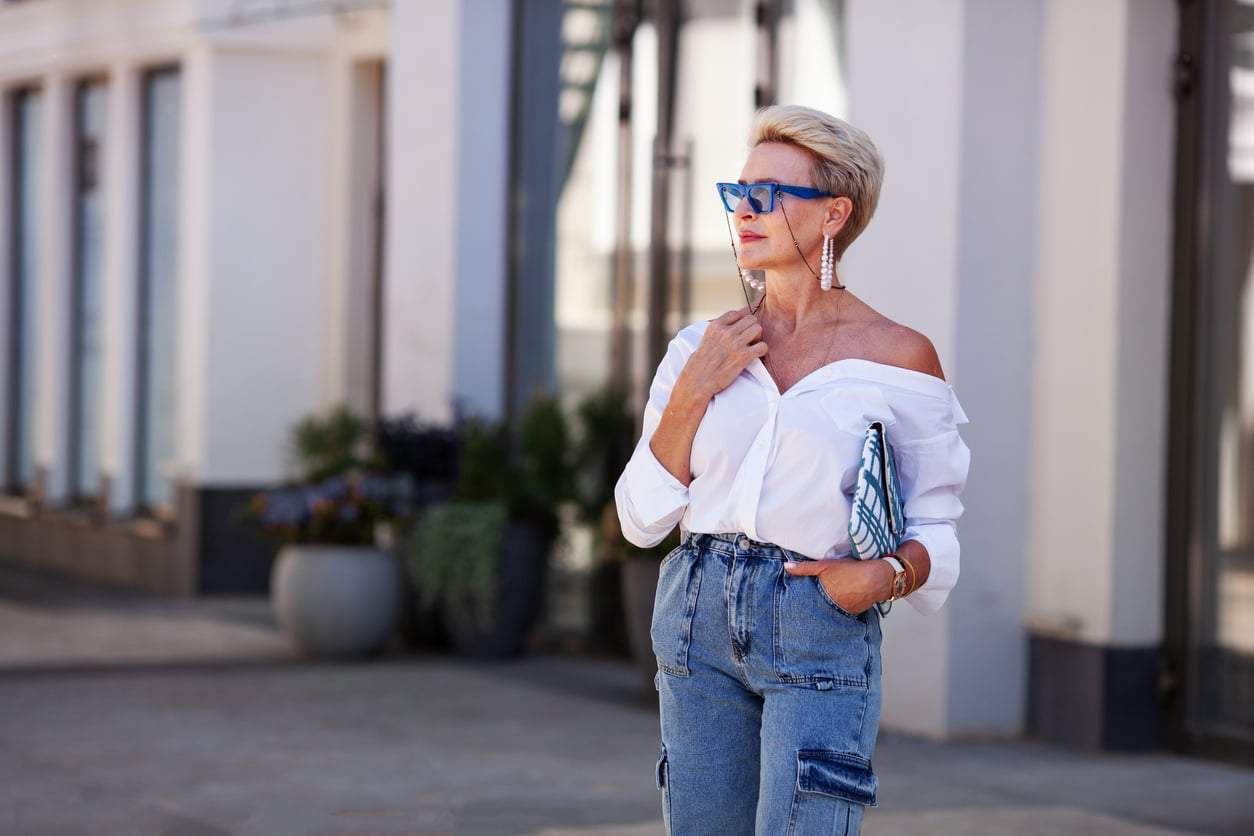
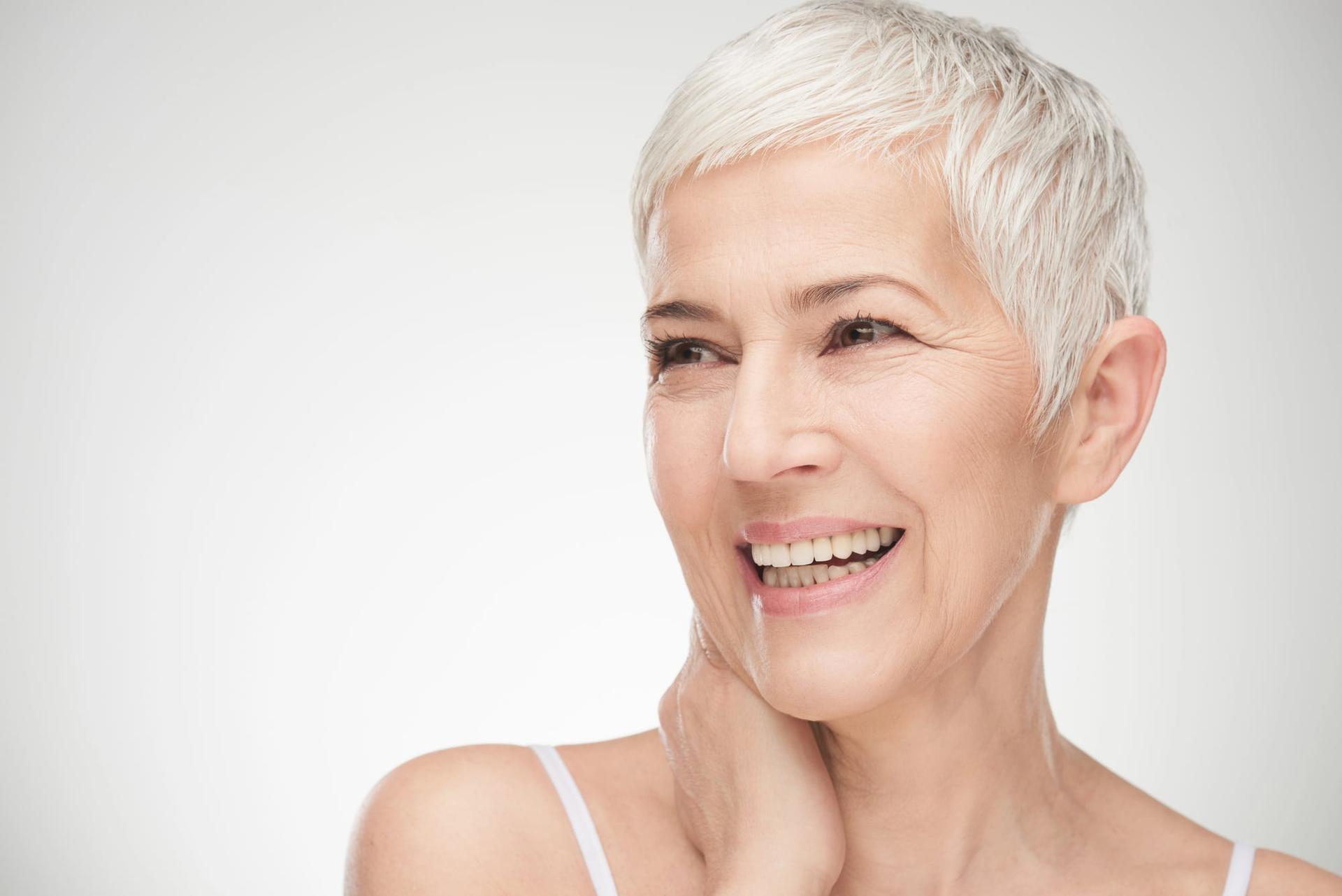
The classic pixie is one of the most volume-boosting options out there, if you're brave enough to embrace a short length.
The trick is in the layering. Tiny layers stacked over one another at the crown and nape create the illusion of thickness, even though the actual amount of hair never changes. This style looks especially good on balanced face shapes — and works best if you don't mind visiting the salon a little more often to keep it sharp.
The chin-length, blunt bob
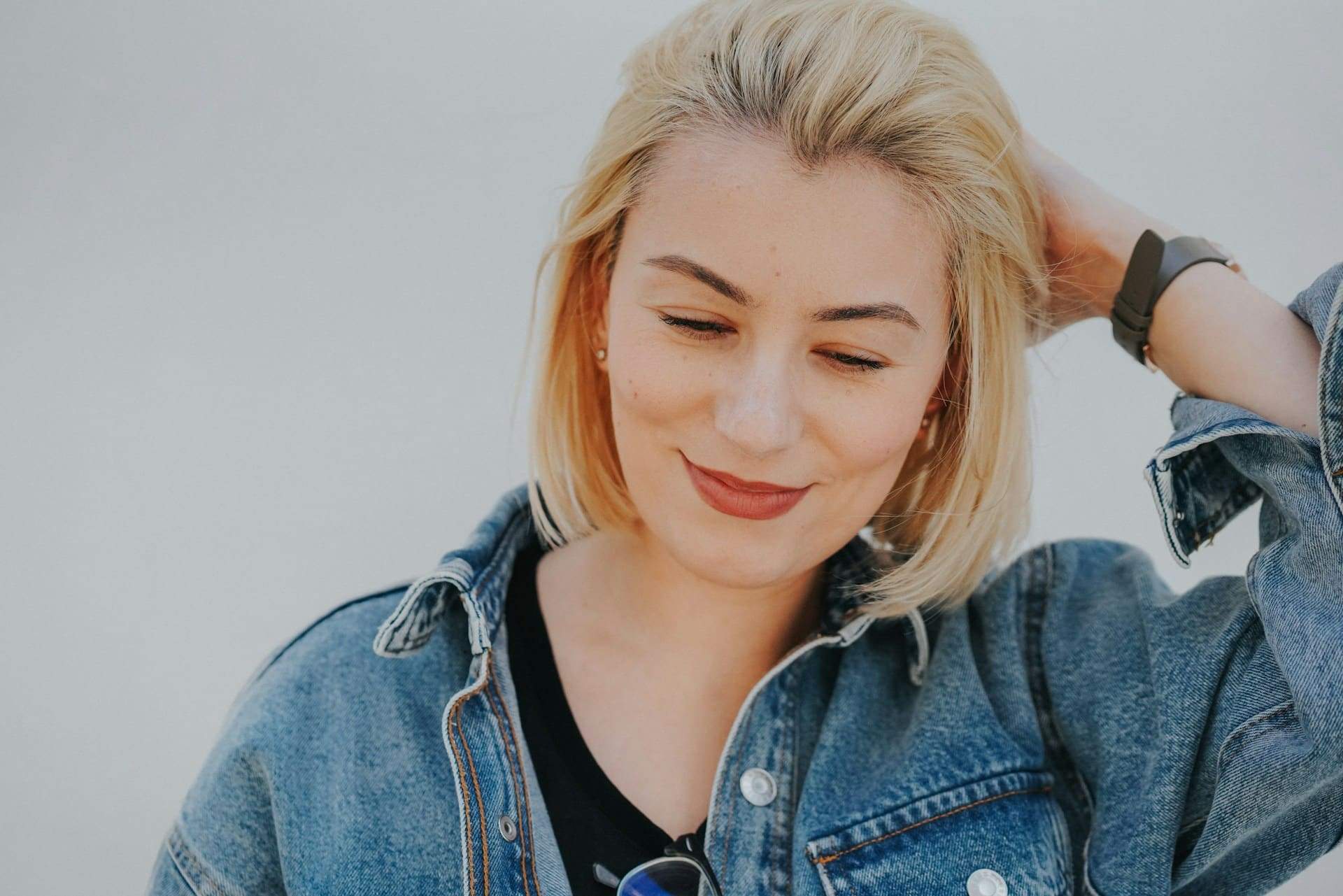
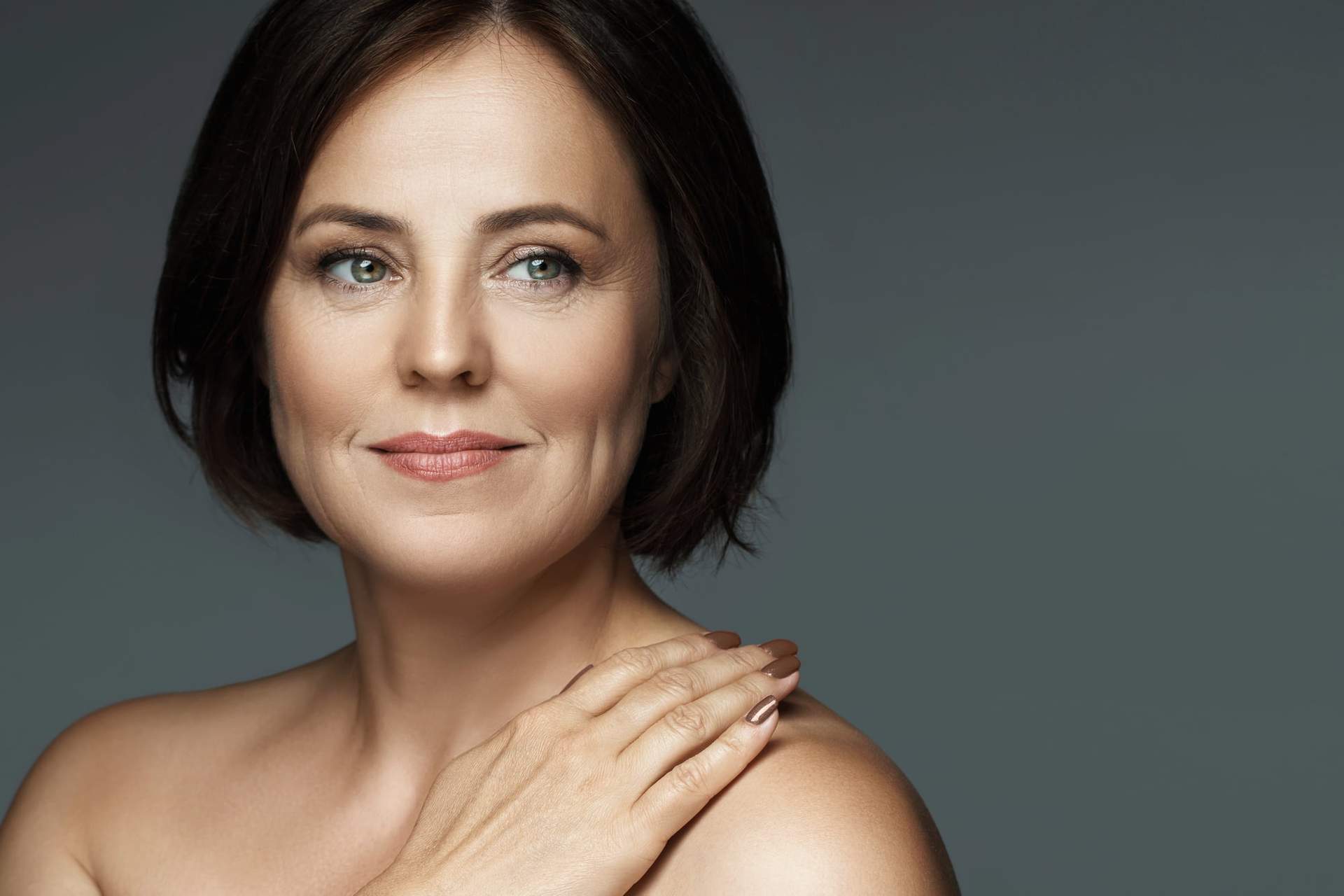
If you'd rather hold on to a bit more length but don't want to sacrifice volume, a blunt bob that sits just above the chin is the perfect compromise.
The secret is that the ends aren't left flat — they turn slightly inward or outward, which visually makes each strand look thicker. On fine hair, a blunt, sharp line creates a far fuller effect than any thinned-out, wispy ends ever could.
The asymmetrical cut, longer on one side
Asymmetry doesn't just make your look more interesting — it also draws the eye away from any thinning patches.
When one side is left longer, the hair naturally falls toward the other side, adding extra volume right at the crown, where hair thinning tends to show up most.
The textured shag with short bangs
The shag is built from small, seemingly random layers that fall in almost every direction, giving your hair a livelier, fuller-bodied appearance.
Add short, above-the-brow bangs and you amplify the effect even more — because now you're generating volume above the forehead too, not just at the back.
The pixie-bob hybrid
This style is a cross between a pixie and a bob: longer at the front and sides, but cut short at the back so it hugs close to the scalp.
The contrast pulls the eye straight to the longer, more dynamic sections, while the shorter nape erases that tired, flat look that fine strands create when the hair is worn long.
What to keep in mind at the salon
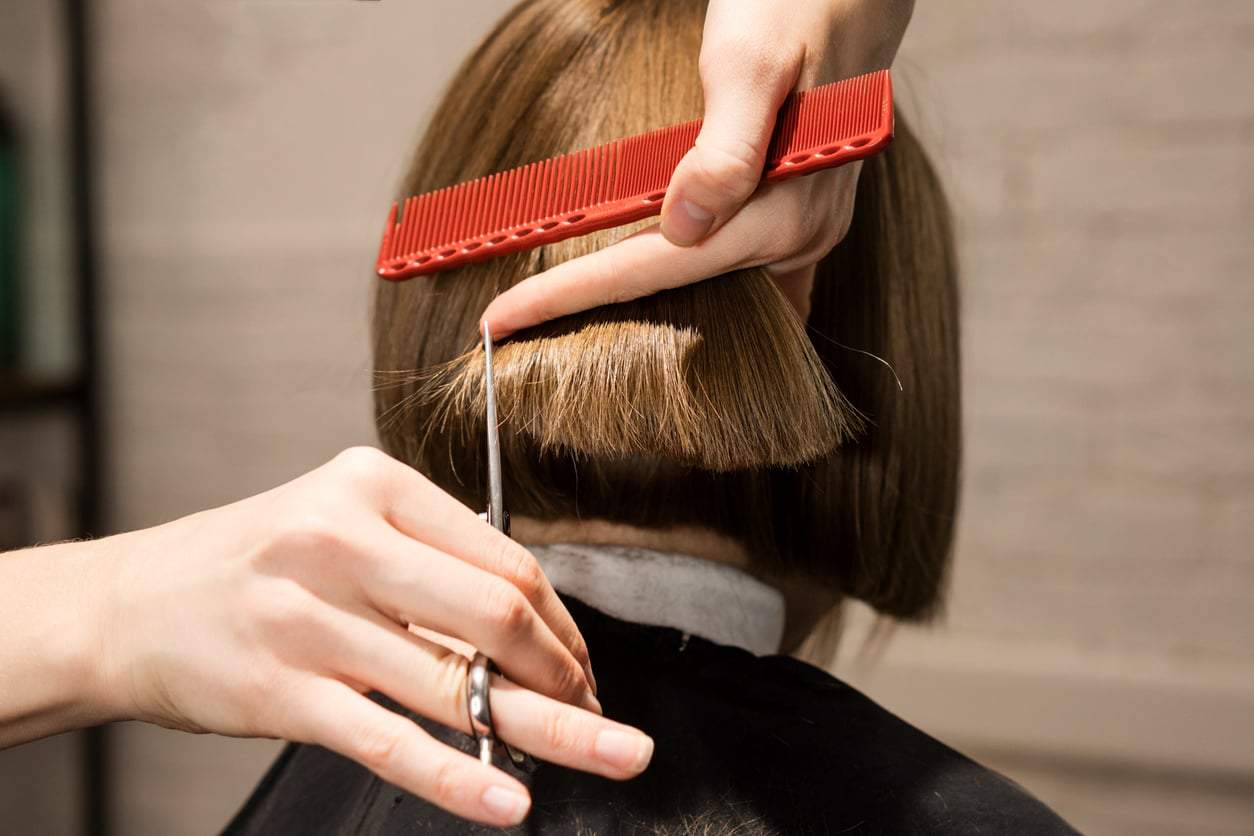
The cut alone isn't a miracle — the technique in your stylist's hands matters just as much.
Look for someone experienced with fine, mature hair textures — a stylist who doesn't simply chop off the length, but creates a layered cut shaped precisely to your head.
How you dry your hair, the direction you blow-dry it, and a well-chosen lightweight volumizing product can all add a lot to the result. But the foundation always comes down to the cut itself.
Which short haircut works best for very fine hair?
A classic pixie or a blunt, chin-length bob tend to give the fullest look, since short lengths keep the hair light enough to hold lift at the roots.
Why does long hair look flatter after 50?
As hair thins and loses elasticity, longer strands drag themselves down under their own weight and cling to the scalp, making the whole style look limp.
Does asymmetry really help hide thinning?
Yes. Leaving one side longer draws the eye toward the more dynamic sections and adds volume at the crown, where thinning is usually most visible.
Is the haircut enough on its own?
The cut is the foundation, but your drying technique, blow-dry direction, and a light volumizing product all help. A stylist experienced with fine, mature hair makes a real difference.