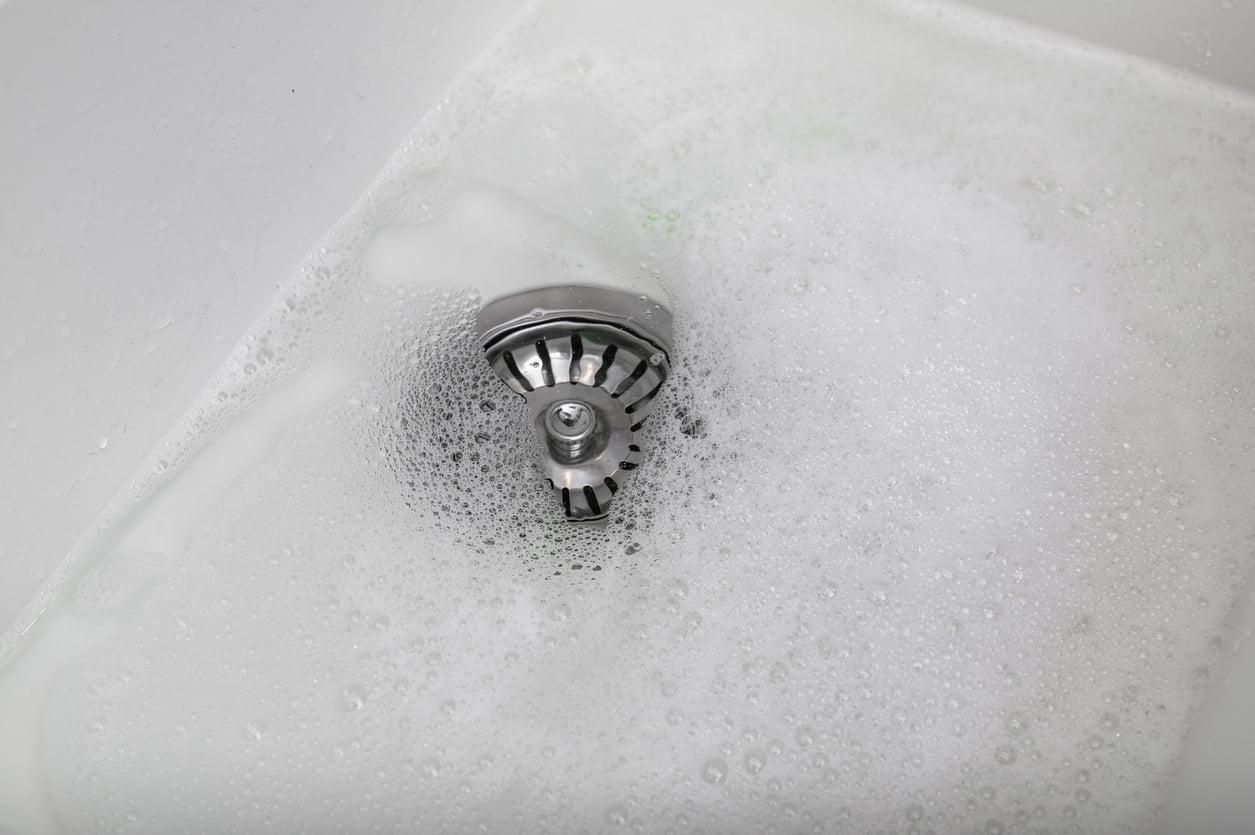
You walk into the bathroom on a hot morning and there it is: that sour, sulfur-like smell drifting up from the drain. It's the kind of odor that makes your whole home feel less fresh, no matter how clean everything looks.
Here's the good news. You don't need an expensive product to fix it. The solution is probably already sitting in your kitchen cupboard.
Why your drain suddenly smells right now
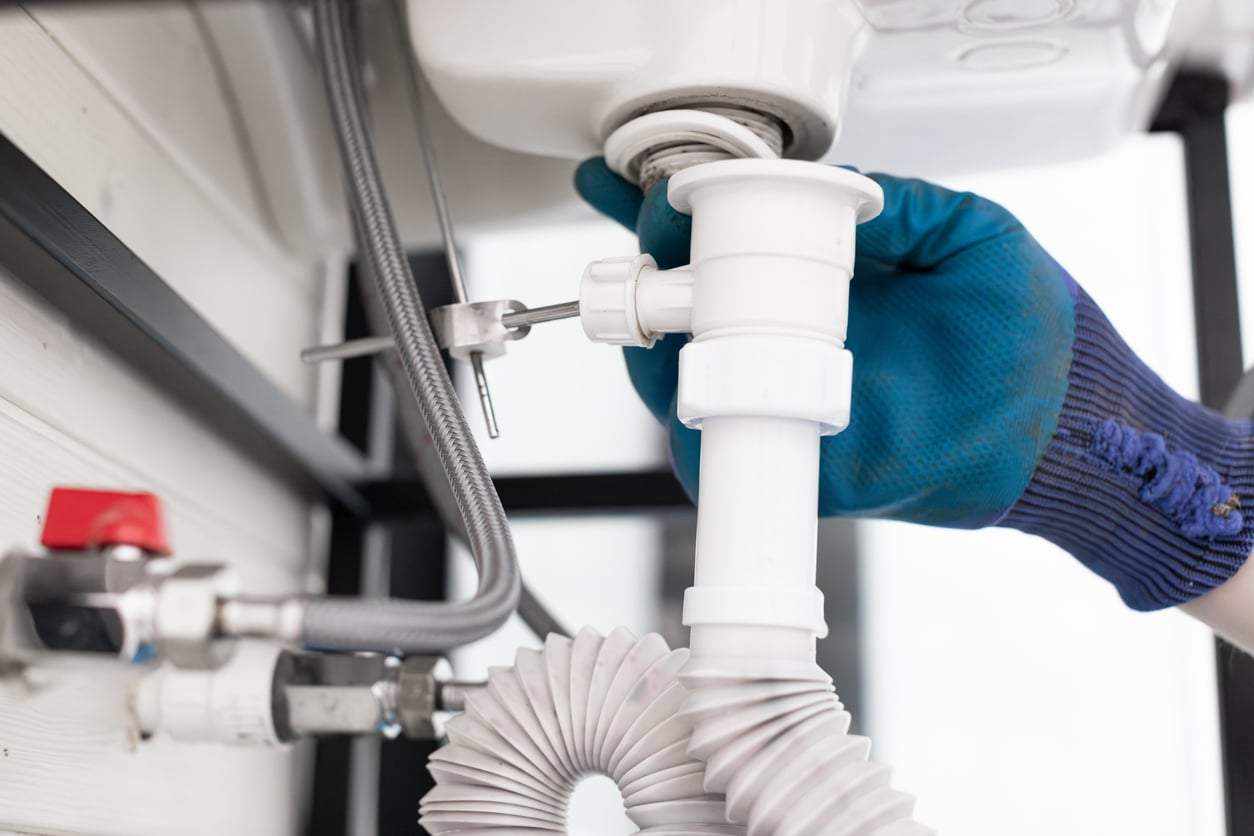
Deep in your plumbing there's always a little water sitting in the U-bend, or trap, that blocks odors from creeping back into your home. In hot weather, that water evaporates faster, and the grease, hair and soap residue trapped inside start to break down.
That breakdown is exactly what you're smelling: the sharp, sometimes rotten note that seems to come out of nowhere. So heat isn't really the cause of the smell. It just brings to the surface what was already lurking down there.
The two ingredients you actually need
Skip the pricey drain deodorizers from the shop. All you really need is a reach into the pantry. The pairing of baking soda and vinegar has been a trusted household trick for decades, and it doesn't just mask the smell. It kicks off a real chemical reaction inside the drain.
- half a cup of baking soda
- half a cup of white vinegar (or citric acid dissolved in water)
- a kettle of boiling water to finish
Step by step, the way it really works
Start by pouring the baking soda directly into the drain and let it settle for a few seconds. Then add the vinegar, which starts fizzing the moment it meets the baking soda.
That bubbling reaction is what loosens the greasy, smelly layer clinging to the inside of the pipe. Let it sit and work for ten to fifteen minutes until it quiets down, then flush everything through with a generous amount of boiling water to rinse the loosened gunk away.
The water really needs to be boiling, not just warm. Lukewarm water can't wash out what the vinegar and baking soda have released.
When to repeat it
If the smell stubbornly comes back a few hours later, the real source probably isn't near the surface. It's sitting deeper, down in the trap.
In that case, repeat the same treatment for two or three days in a row, since a deeper layer of grease won't dissolve in a single go. A once-a-week routine in summer can be a genuinely useful habit, even when you can't smell anything at the moment.
The odor doesn't return the next day because you did something wrong. It returns because heat simply works faster than we do.
Extra tips to stop it coming back
A simple drain strainer placed over the plughole dramatically cuts down on the hair and food scraps that slip through, and that's the most common reason smells build up in the first place.
It also helps to pour a kettle of boiling water down the drain once a week purely as a preventive step, since that alone slows the buildup of greasy layers. And keep a stash of lemon peel in the freezer: toss a few pieces into the sink, rinse with water, and they'll leave a fresh, clean scent behind, even after a baking soda treatment.
Does baking soda and vinegar really clean a drain, or just cover the smell?
It does more than mask odors. When the two meet, they create a fizzing reaction that loosens the greasy, smelly residue stuck to the inside of the pipe, which you then rinse away with boiling water.
Why does the water have to be boiling?
Boiling water is what actually flushes out the buildup that the vinegar and baking soda have loosened. Lukewarm water isn't hot enough to wash it all away.
Why does the smell keep coming back the next day?
It's usually not because you did anything wrong. In hot weather the trapped grease and residue break down faster, so the source can sit deeper in the trap and needs repeated treatments to clear.
How often should I do this in summer?
Once a week is a helpful habit during hot months, even if you don't currently notice a smell. If the odor is stubborn, repeat the treatment two or three days in a row.