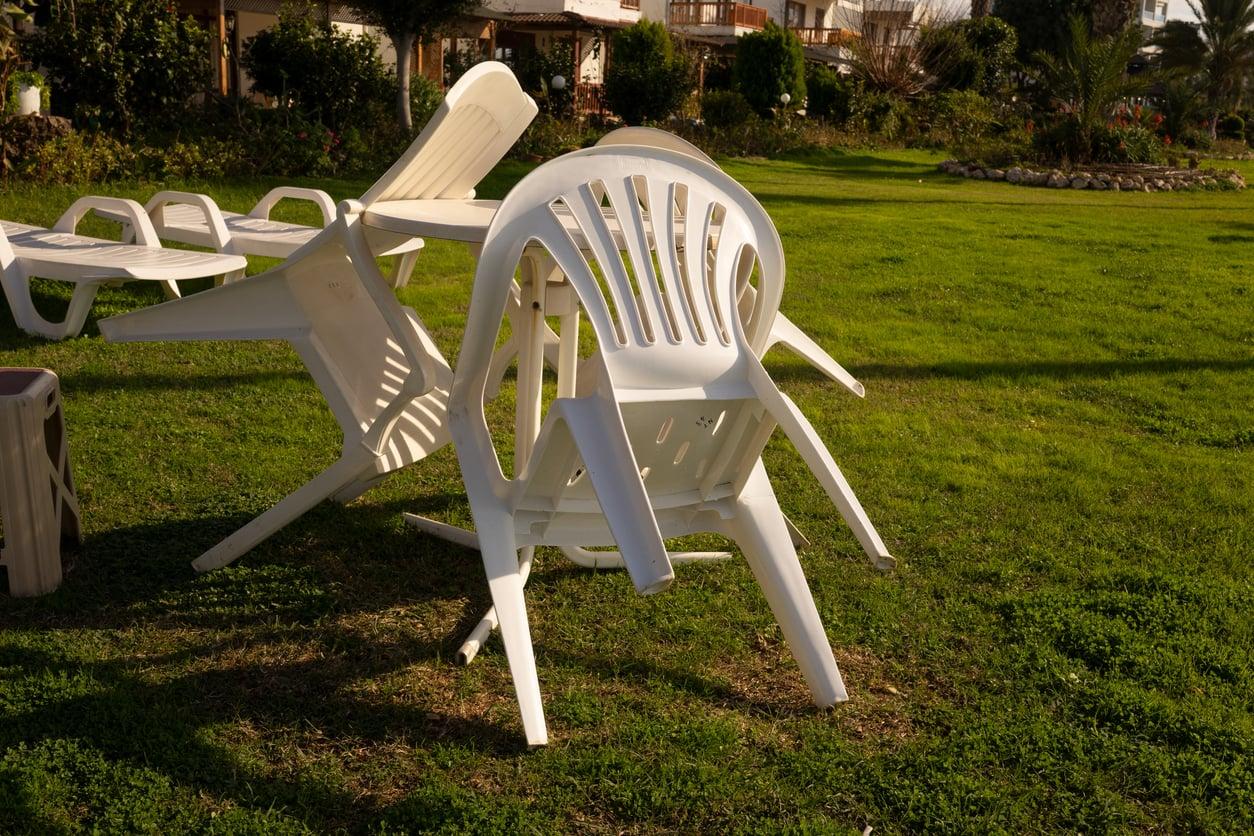
Take one look at your patio and you can probably spot it: that once-bright white plastic chair now sitting in a sad shade of gray. Sunlight, rain and everyday use slowly strip the color out of plastic garden furniture, and no amount of regular wiping seems to fix it.
The good news? You don't need to buy new chairs or splurge on special cleaners. Two things you almost certainly already have in your kitchen can do the job for pennies.
Baking soda and vinegar: the cheap cleaning heroes
The combination of baking soda and vinegar is a classic in the world of homemade cleaners, but far fewer people realize how brilliantly it works on faded plastic garden furniture.
These two ingredients are eco-friendly and incredibly cheap, yet they deliver real results. No gimmicks, no expensive sprays — just a simple reaction that lifts away years of grime.
If you love these kinds of low-cost fixes, you'll also enjoy our guide to clearing a blocked drain with vinegar and baking soda.
How to make the cleaning paste
- Get your ingredients: Pick up baking soda and vinegar at any supermarket or home store. They cost next to nothing and are endlessly useful around the house.
- Mix it up: Combine one part baking soda with one part vinegar in a bowl. You'll get a thick paste that's ready to use. If it feels too stiff, loosen it with a little water.
How to clean your furniture step by step
- Apply the paste: Using a cloth or sponge, spread the paste over the faded plastic surface. Make sure you cover everything evenly.
- Scrub gently: Rub the chairs or table with light pressure until the dirt starts to lift away.
- Rinse well: Rinse the furniture thoroughly with clean water to wash off any leftover paste.
Tip: Use a soft cloth or sponge to avoid scratching the surface.
The best time to clean
Do this in the early morning or evening, when temperatures are lower. The paste stays wet on the surface longer instead of drying out too fast, which means the dirt lifts away more easily.
Vinegar is a mild acid, so most plastics handle a vinegar clean just fine — but always test a small, hidden area first.
For best results, repeat the process seasonally: once in spring and again in autumn.
Does vinegar damage plastic garden furniture?
Vinegar is only a mild acid, so most plastic furniture tolerates it well. To be safe, always test the paste on a small, hidden spot before treating the whole piece.
How often should I clean my plastic garden chairs?
A seasonal routine works best — once in spring and once in autumn. Regular cleaning stops grime from building up and keeps the plastic looking fresh.
Why does white plastic furniture turn gray?
Sunlight, weather and everyday use gradually break down the surface and leave a dull gray film. The baking soda and vinegar paste lifts that layer away and restores the original color.
Can I use a brush instead of a cloth?
Stick to a soft cloth or sponge. A stiff brush can scratch the plastic, so gentle pressure with something soft is the safer choice.