There's a particular kind of impulse that strikes when you're scrolling through home decor content at midnight: you see something, you need it immediately, and you're already mentally rearranging your living room around it. Three months later, you're staring at that wavy sculptural side table wondering what you were thinking.
The 2026 interior design landscape has a lot going for it — richer colors are back, natural materials are everywhere, vintage pieces are having a serious moment, and homes are leaning more personal and layered than ever. But just because a trend is flooding your feed doesn't mean you should spend serious money on it. According to interior designers, some trends are best enjoyed in small doses — or admired from a safe scroll distance.
1. An entire room built around one aesthetic
Cottagecore, coastal grandmother, quiet luxury, dopamine decor — the internet loves naming aesthetics, and we love believing that if we just buy enough pieces from one of them, our home will finally look like that Pinterest board we've been saving for three years.
The problem, designers say, is that rooms built entirely around a single named aesthetic age fast. When every element serves one very specific visual world, the result can feel flat, costumey, or dated the moment that aesthetic falls out of favor.
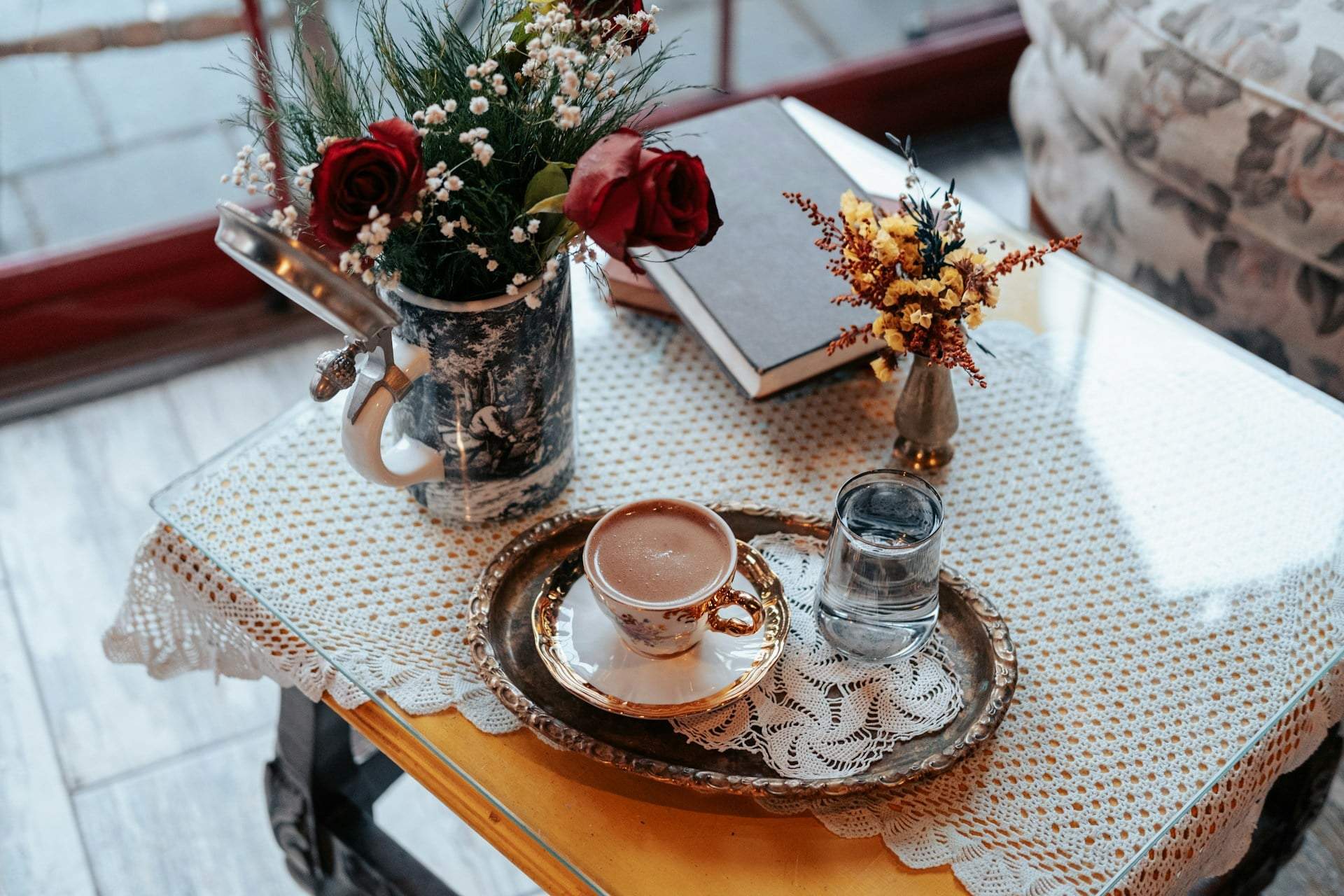
If you're drawn to a vintage-romantic mood, you don't need ruffled curtains, floral wallpaper, a porcelain figurine, and three wicker baskets. A beautiful old mirror, a well-chosen lamp, or a single patterned armchair will do far more for the space.
The rule of thumb: don't decorate your home to look like a single Pinterest board.
2. Wavy, sculptural furniture — on every surface
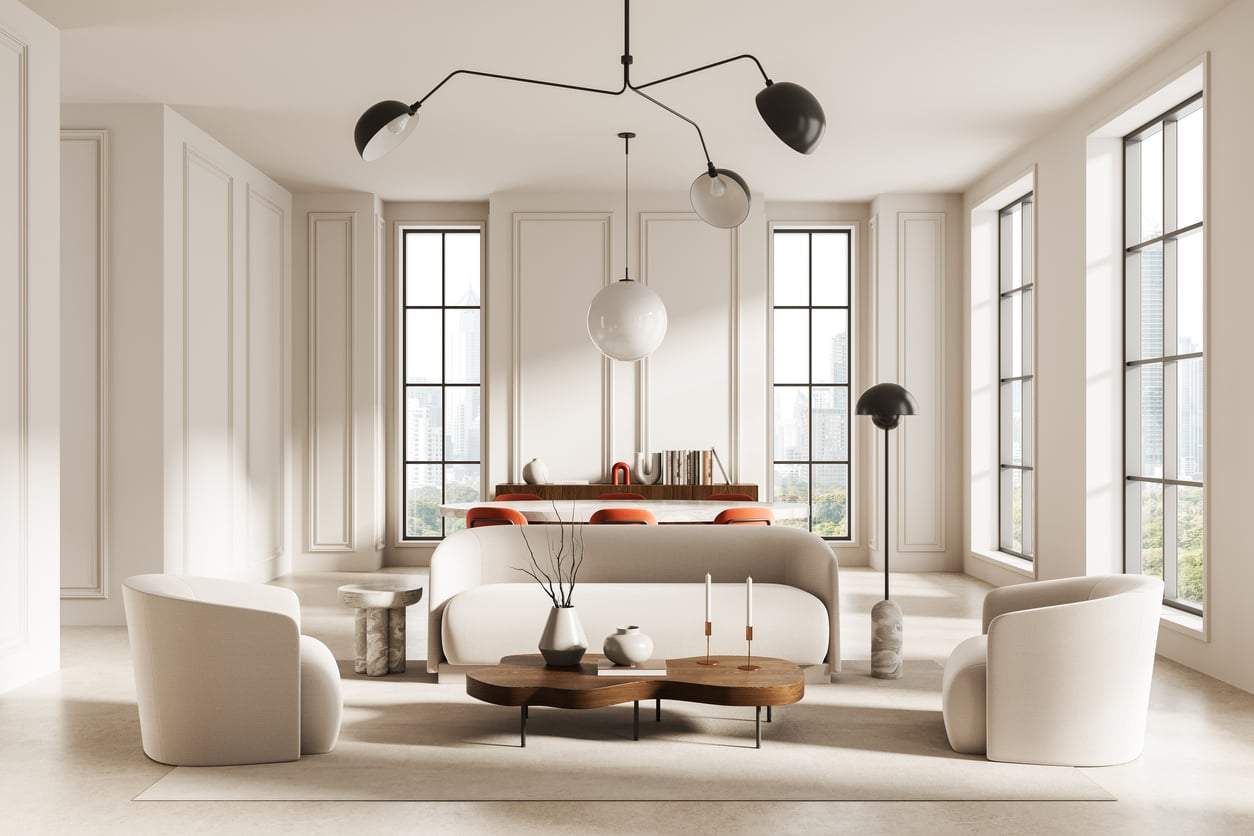
Soft, organic shapes are still going strong in 2026, and they can genuinely work beautifully. A curved armchair or an unusual coffee table can elevate an otherwise simple room in an instant.
The issue starts when everything becomes wavy. Wavy sofa, wavy table, wavy mirror, wavy shelving — at a certain point, the living room looks like it experienced a minor gravitational disturbance. What's actually trending right now is the intentional mix of statement pieces, not a room where every single object is visually competing for attention.
If you genuinely love a sculptural piece and can see yourself living with it for years, buy it. But buy it because it speaks to you — not because the algorithm decided it's having a moment.
3. A complete chrome collection
Shiny metals and chrome accents have made a confident comeback, and they can look genuinely great alongside warmer, natural materials. A chrome lamp or an interesting metallic accent piece? Absolutely works.
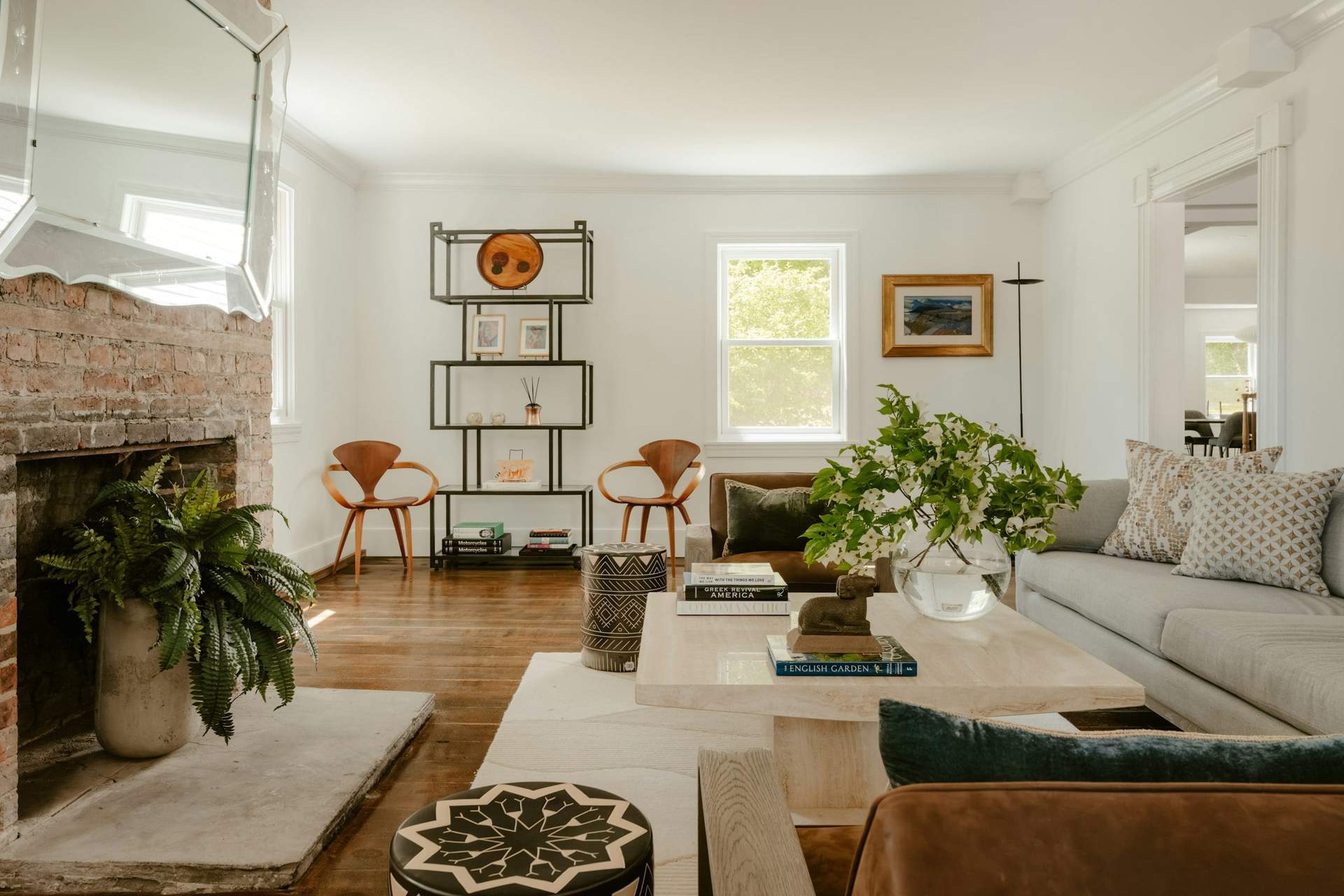
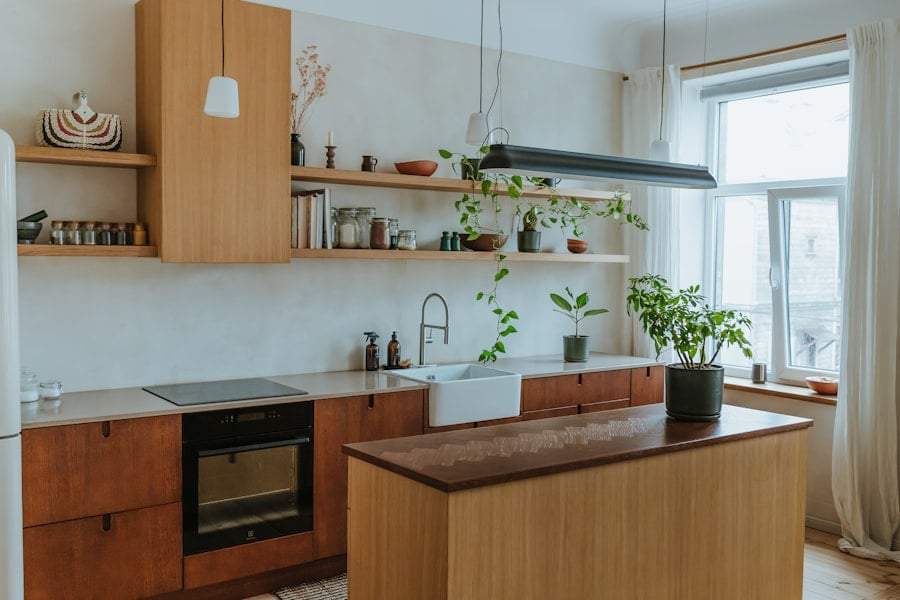
But all-chrome everything is a different story. One of the strongest interior directions right now is mixing materials and textures — wood, stone, linen, ceramics, and metal sitting alongside each other. That layered quality is what makes a room feel considered rather than decorated.
One well-placed chrome piece reads as intentional. A full chrome collection reads as a showroom.
4. A bold statement rug — bought purely for the trend
Expressive patterns and eclectic interiors are having a real moment, and there's genuine justification for it. The right rug can completely transform a room's atmosphere. But a rug is not a throw pillow — you can't casually toss it in the closet next spring when you've changed your mind.
Designers also point out that size and placement mistakes are among the most common rug errors people make, so it's not just about whether you love the pattern. Does it actually work in the room? Is it the right scale?
And if a bold design is appealing to you mainly because you've seen it six times in your feed over the past two weeks — give it a few days. A rug is a much harder commitment to walk back than a vase.
5. Matching furniture sets
This one isn't tied to a single trend so much as a broader impulse: the desire for everything to coordinate perfectly. Sofa, armchair, coffee table, TV unit, shelving — all from the same collection, same finish, same color. It feels safe. The result often feels like a furniture showroom floor.
The 2026 interior direction points the other way entirely — toward more personal, layered spaces that don't look like everything was bought on the same Tuesday afternoon.
An old wooden table next to a modern sofa, a vintage armchair across from a new bookcase, two mismatched chairs around a dining table — these combinations create the feeling that someone actually lives there. Which, it turns out, is exactly what a home should feel like.
6. Boucle fabric on absolutely everything
Boucle has been one of the biggest texture stars of recent years, and it's not going anywhere. Soft, tactile, visually interesting — on an armchair or a smaller accent piece, it can look genuinely beautiful.
The trouble is when the whole apartment gets dressed in it. Especially if real life happens in your home — meaning kids, dogs, cats, or just the general chaos of existing. Boucle has a wonderful talent for holding onto every trace of that life and displaying it prominently.
Natural, touchable textures are genuinely a strong 2026 trend, but that doesn't mean every piece of furniture needs to wear the same fabric.
One boucle armchair: yes. Boucle sofa, boucle ottoman, boucle cushions, and a boucle lampshade all at once: maybe think it over.
7. An expensive sofa or chair in a very specific trendy color
Color is officially back. Warm tones, deep greens, burgundy, ochre, rich earthy shades — bold, colorful interiors are gaining ground fast. The color drenching approach, where one dominant color flows across multiple surfaces, is having a genuine moment. And there's nothing wrong with any of that.
The real question is whether you'll still feel the same way about that $700 burgundy armchair in five years. Repainting a wall is relatively easy. Swapping a throw pillow is even easier. Replacing a large, expensive sofa is a very different conversation.
If a bold color is calling to you, test it first on smaller items — curtains, a lamp, cushions, artwork, or smaller accessories. If you're still obsessed six months later, then go big. The color isn't going anywhere if it's truly your color.
8. Anything you only want because you keep seeing it everywhere
This might be the most important one. Home decor trends move at a breathtaking pace — especially since TikTok and Instagram have turned practically every living room into a micro interior design magazine. Some microtrends now have a lifespan of just a few months before the next wave arrives.
Here's the simplest buying test designers recommend:
If all the Pinterest boards and TikTok videos about this item disappeared tomorrow, would you still want it?
If yes, it probably genuinely appeals to you beyond the algorithm. If your honest answer is "I'm not sure, but I keep seeing it everywhere" — it might be worth waiting a little longer.
A home that really works isn't made by chasing every current trend. The strongest interior design direction in 2026 is actually about personality, vintage finds, natural materials, and spaces that feel lived-in rather than staged. Trends are there to inspire you — not to be wholesale imported into your home all at once.
How do I know if a decor trend is actually right for my home?
Ask yourself whether you'd still want the piece if you stopped seeing it online. If the answer is yes, it likely reflects your genuine taste. If you're mainly drawn to it because of constant exposure on social media, give yourself a few days before buying.
Is it a mistake to decorate around a single aesthetic like cottagecore or quiet luxury?
Not necessarily, but going all-in on one named aesthetic can make a room feel dated quickly. Designers suggest taking one or two elements you love from an aesthetic and mixing them with other pieces, rather than committing the whole room to a single visual concept.
What's the smartest way to try a bold color trend without a big financial risk?
Start small — cushions, artwork, a lamp, or curtains in the bold shade you love. If you still feel strongly about it after several months, you can confidently invest in a larger, more expensive piece in that color.
Are matching furniture sets ever a good idea?
They can create a cohesive look, but the current interior design direction favors layered, mixed spaces over perfectly coordinated sets. Mixing pieces from different eras and styles tends to make a room feel more personal and lived-in.
Is boucle fabric practical for everyday use?
Boucle looks beautiful but shows wear, lint, and pet hair very easily. It works best as an accent — on an armchair or smaller piece — rather than on large, heavily used furniture like a main sofa.