Around the start of October something shifts in my house. The afternoons collapse, the kitchen goes blue-grey by half past four, and whoever gets home first instinctively reaches for the switch by the door — the one that floods the room with a single flat glare from the ceiling. It takes a nice room and makes it look like a corridor. For years I accepted this as the price of winter. It isn't. Lighting is one of the few things in a home you can change in an afternoon, for very little, and feel the difference the same night.
Why the ceiling light flattens everything
One bright source directly overhead does three unflattering things at once. It casts hard shadows downward, which is unkind to faces and to furniture alike. It lights the middle of the room and leaves the edges dim, which paradoxically makes a space feel smaller and emptier. And it gives you no control — a room is either fully on or fully off, with nothing in between for a quiet evening.
What makes a room feel warm is not more light. It is light in several places, at several heights, at a low enough level that your eyes relax. Think of the rooms you have walked into and immediately liked: almost certainly none of them were lit from a single point in the ceiling.
The three-layer rule
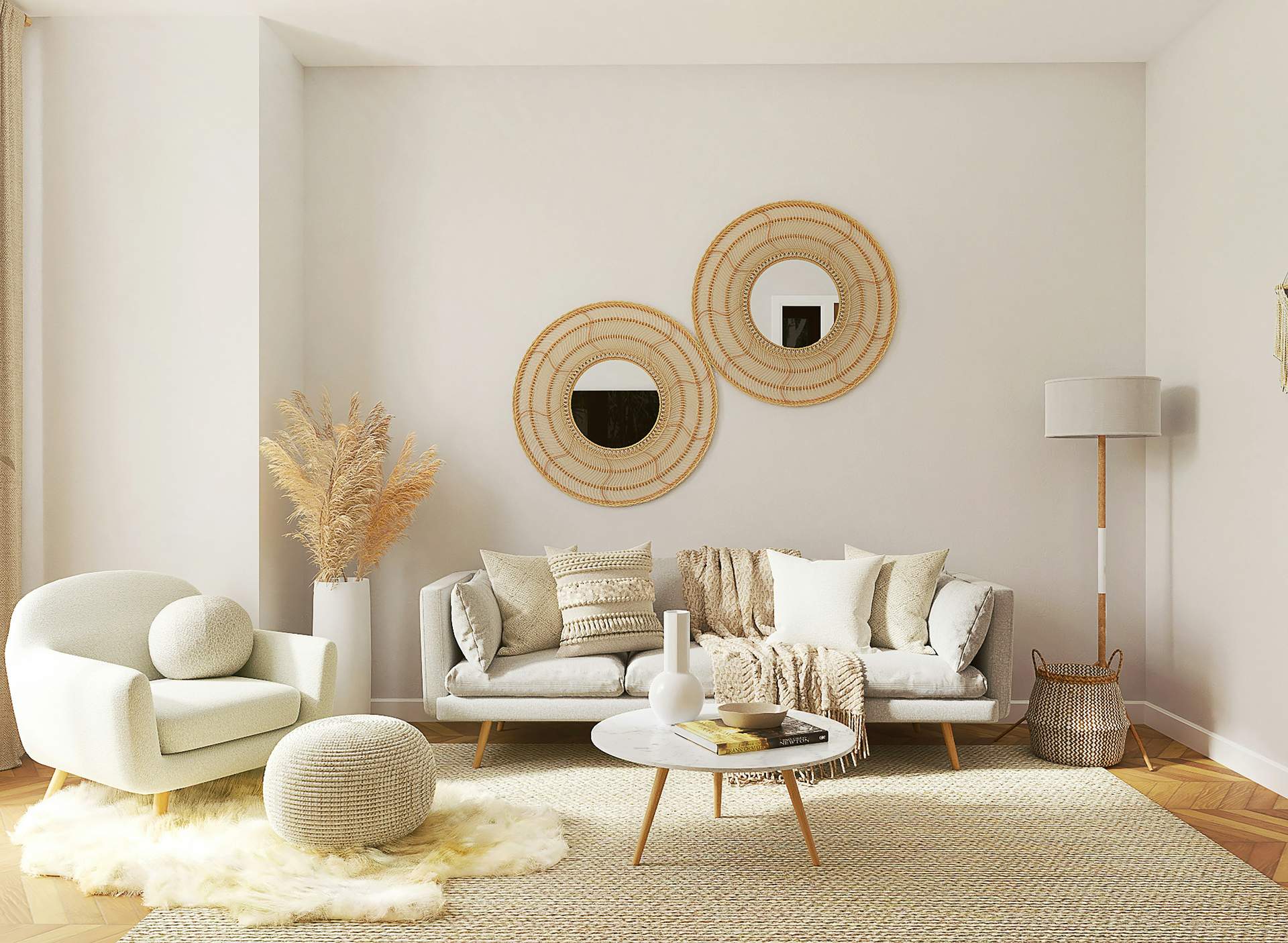
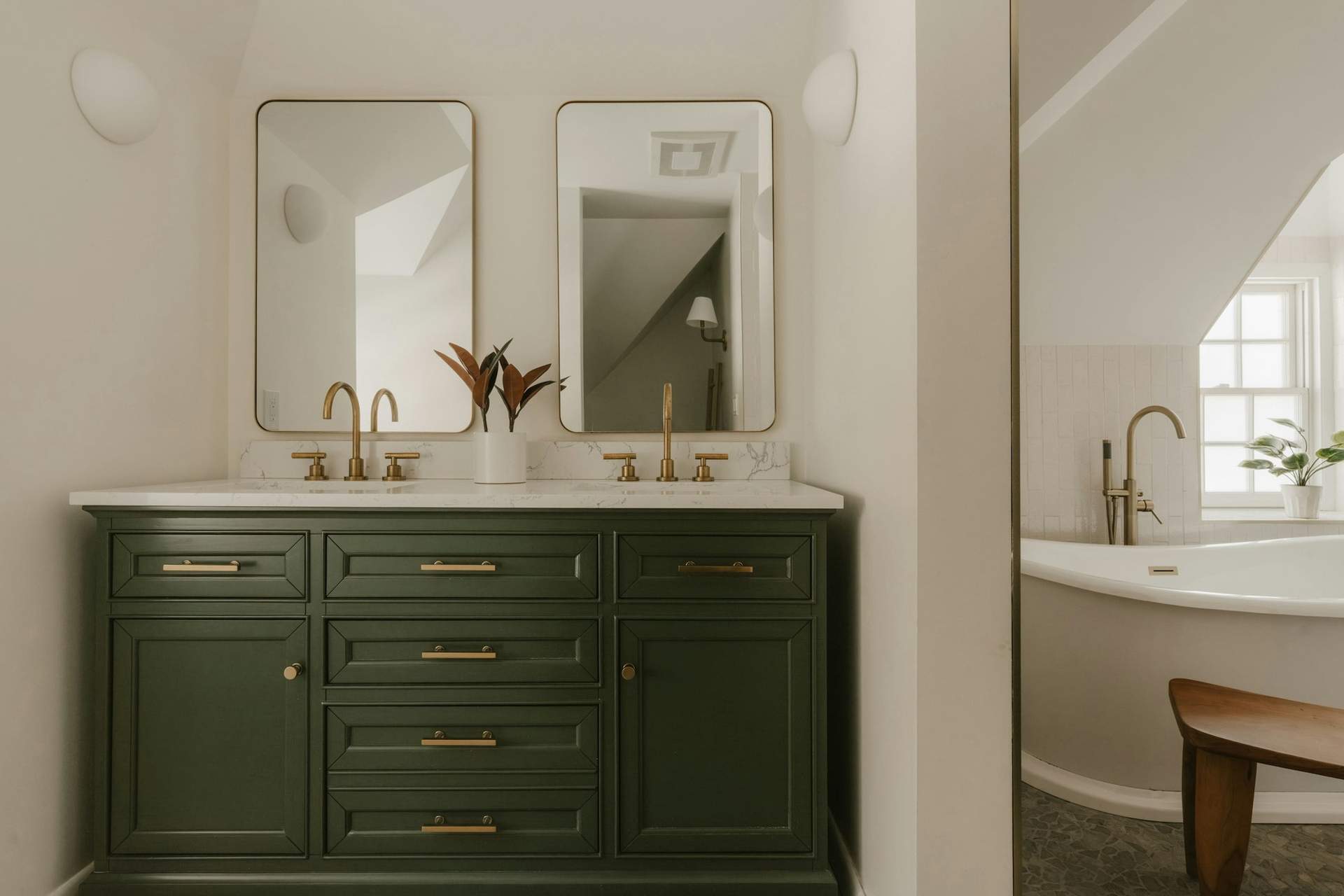
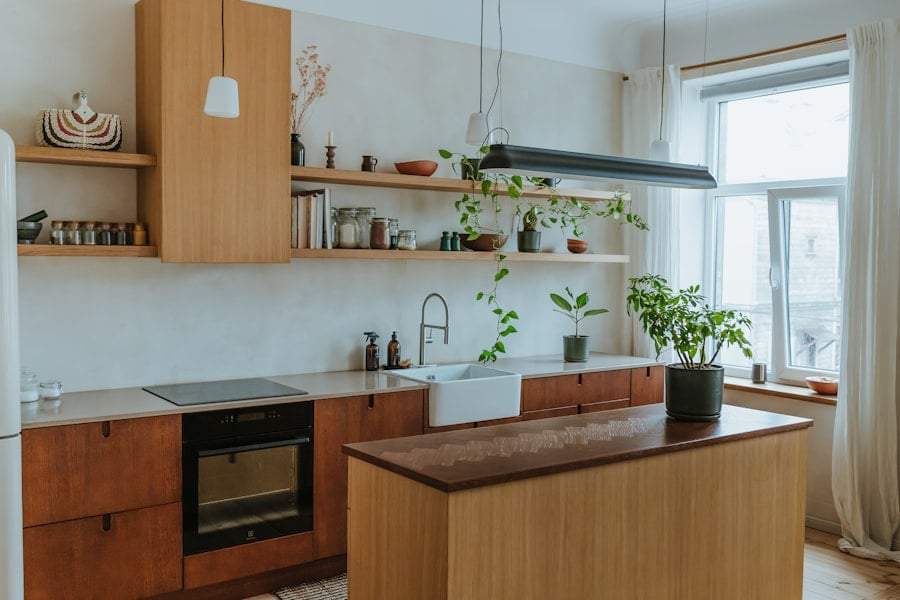
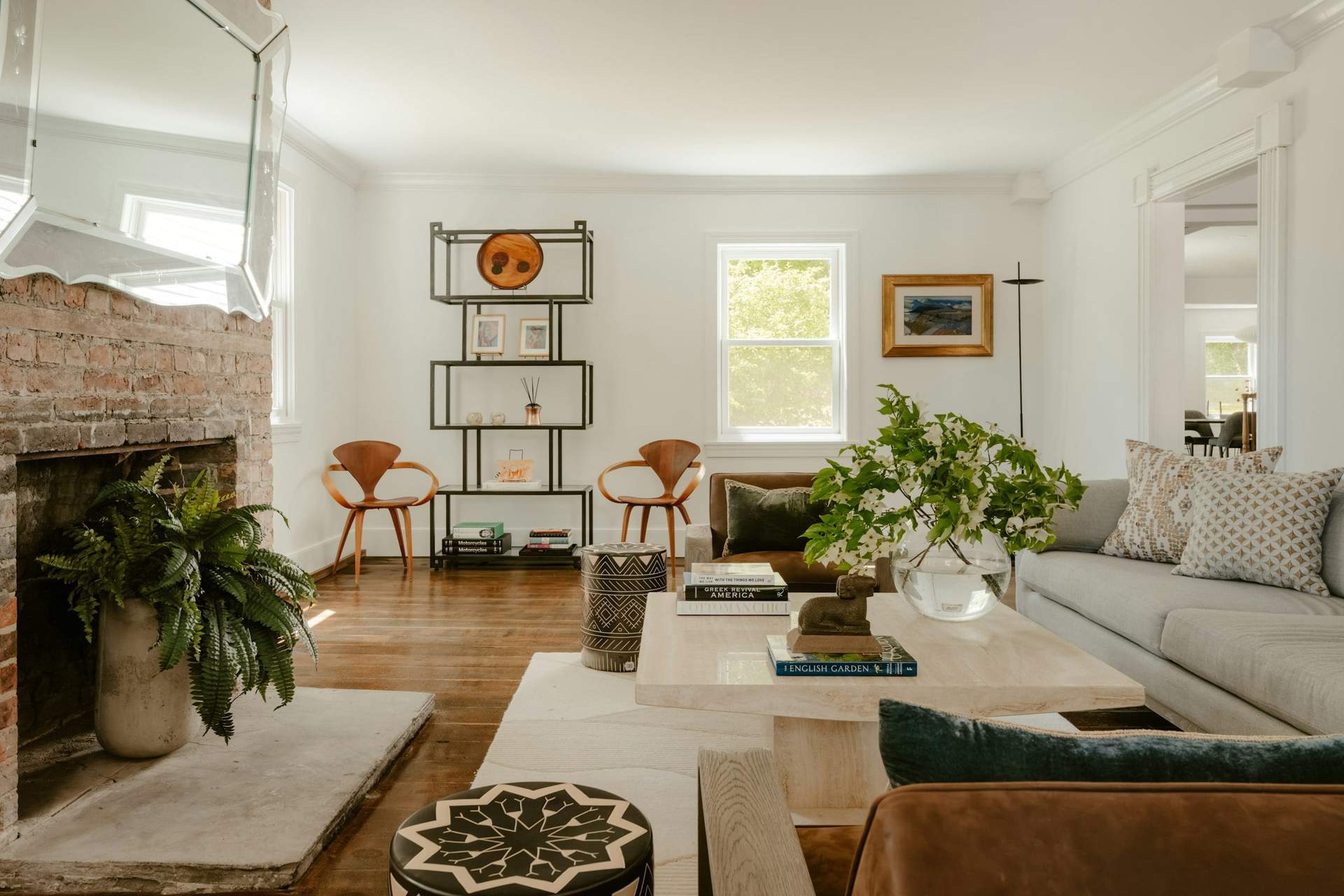
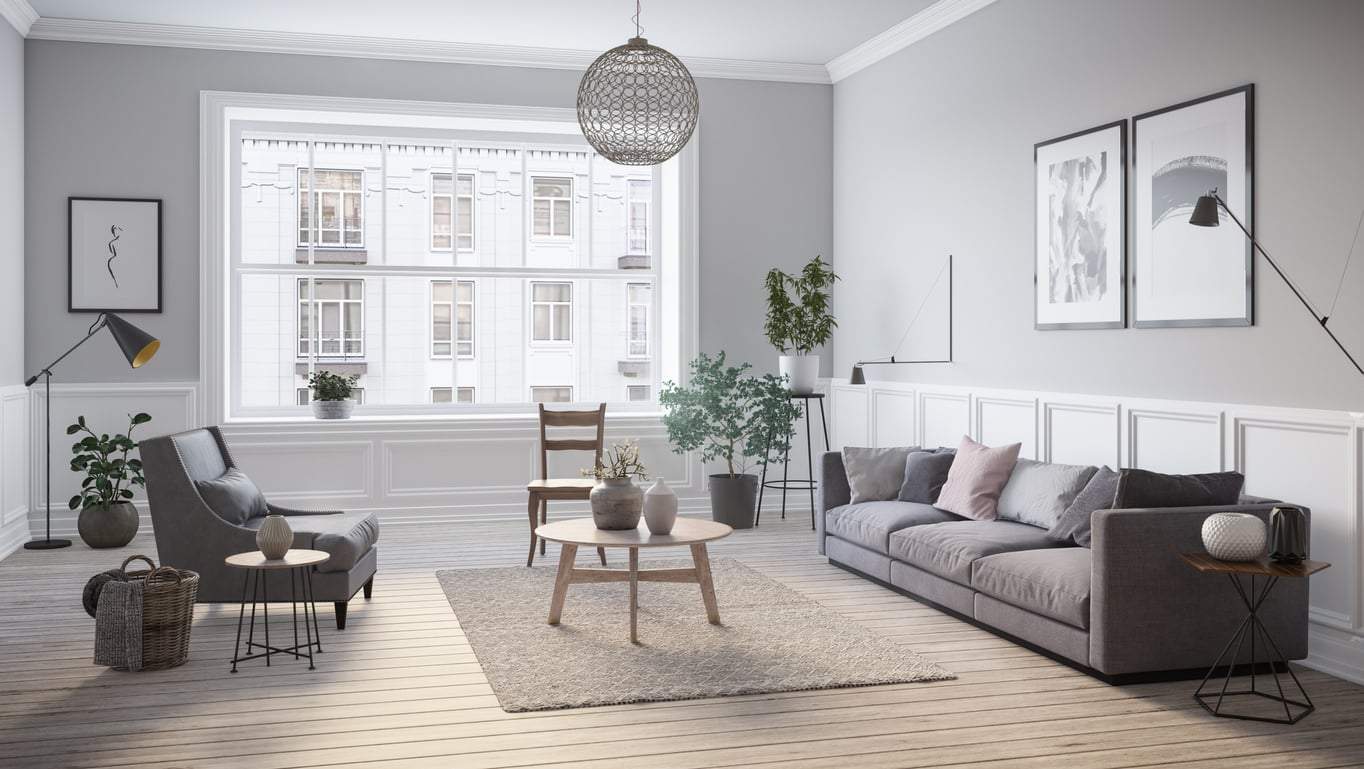
Lighting designers talk about ambient, task and accent light, and the idea translates perfectly to an ordinary living room. Ambient is your general wash — a dimmed ceiling light or a couple of shaded lamps that fill the space softly. Task is the light you need to do something: a reading lamp beside the armchair, something over the kitchen worktop, a lamp near the table where someone does homework. Accent is the decorative glow that gives a room depth: a small lamp on a shelf, a picture light, a candle, a table lamp in the corner you never otherwise look at.
The practical version is simpler still. Aim for at least three light sources in any room you spend evenings in, placed at three different heights — floor, table, and something higher such as a wall light or a tall standard lamp. Spread them around the perimeter rather than clustering them. Then switch the overhead off and see what you've got.
If you rent, this is still yours to change
You don't need an electrician or a landlord's permission to transform a room. Plug-in wall lights with a fabric cable will give you the wall-sconce effect without drilling into anything more than a picture hook. Clip-on lamps attach to shelves and bed frames. Smart bulbs put a dimmer in an existing fitting, including a ceiling one, which is the cheapest possible upgrade if you only do one thing.
Cables are the honest obstacle. Run them behind furniture, along skirting boards with adhesive clips, and accept one well-placed extension lead rather than three stretched across a floor. A table lamp near a sofa only needs a socket somewhere in the same corner, not directly behind it.
What bulb makes a room feel warm rather than sickly yellow?
Look for bulbs described as warm white, usually around 2700 kelvin, rather than cool white or daylight, which belong in a garage. Just as important is brightness: in a lamp you want something gentle, not the highest-output bulb on the shelf, because a soft bulb inside a shade is what creates that pooling glow rather than a hard circle. And try to use the same warmth of bulb throughout one room — mismatched tones are the invisible reason some rooms feel slightly off, with one corner reading orange and another reading blue.
How many lamps does one living room actually need?
Three is the number where a room stops looking under-lit and starts looking considered: typically one tall or floor-standing light, one table lamp beside the main seat, and one smaller accent light across the room, so your eye travels rather than resting on a single bright spot. In a larger or open-plan space, four or five works better, because each seating area wants its own pool of light. Start with what you already own, move it around for a week, and only buy once you know where the dark corner really is.