We've all been there. You walk into the garden centre in spring full of energy and optimism — and then you freeze. Hundreds of seed packets, rows of seedlings, and suddenly you're standing there wondering: cherry tomatoes or courgettes? Basil or dill? Should I try aubergines this year? More often than not, you either buy too much and end up with a chaotic, overcrowded patch, or you get so overwhelmed you leave with nothing at all.
There's a better way. Nicole Burke, founder of Gardenary and a leading expert in kitchen gardening, developed a deceptively simple formula that takes the guesswork out of garden planning entirely. It's called the 5-4-3-2-1 method — and it might just be the most useful thing you learn this growing season.
What is the 5-4-3-2-1 method?
The idea is straightforward: organise your plants into five categories based on how they grow, how much care they need, and what they give back. The method balances quick wins with long-term rewards, keeps your garden diverse without being overwhelming, and gives you a clear plan before you ever pick up a trowel.
In total, you're working with just 15 types of plants — a number that fits comfortably into a couple of raised beds or even a generous balcony setup. Here's how it breaks down.
5: The foundation — leafy greens
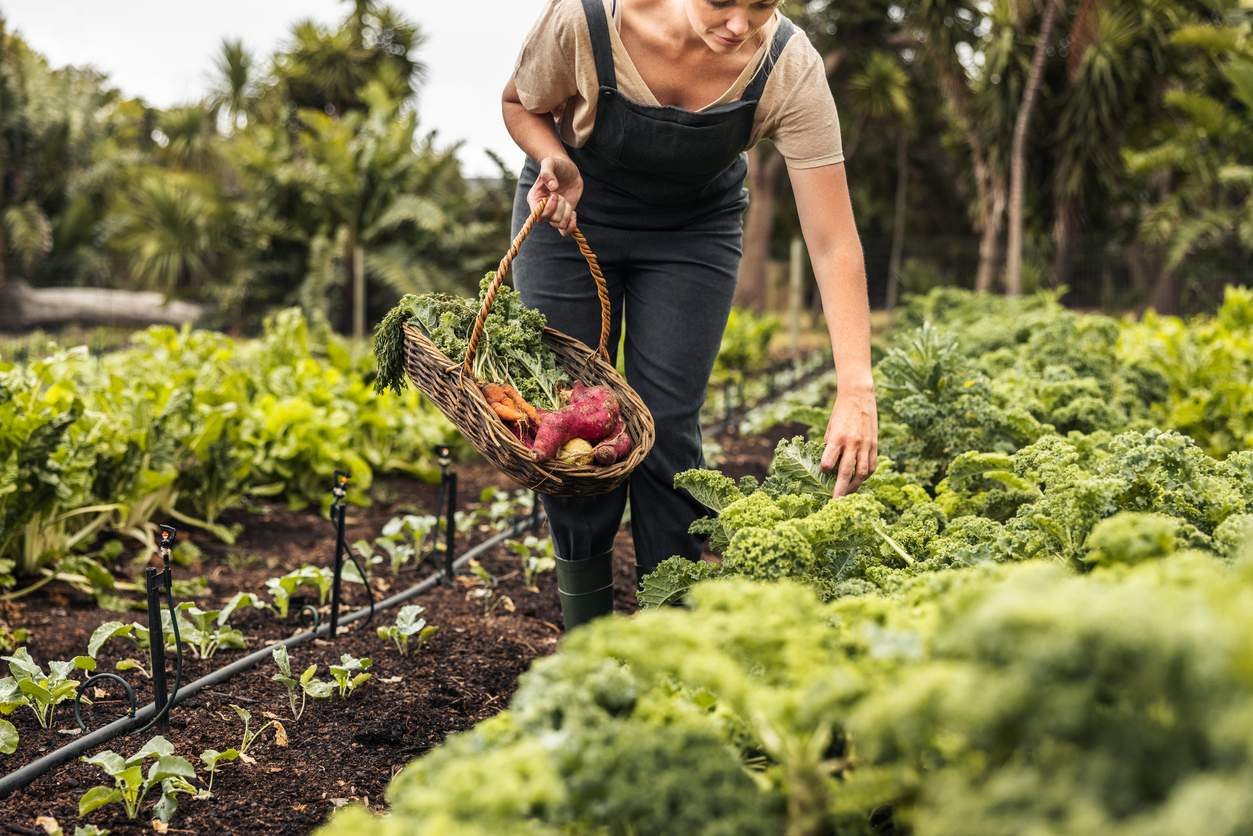
Start with 5 types of leafy greens. These are the workhorses of any kitchen garden. They grow fast, take up little space, and if you harvest them regularly, they'll keep producing fresh leaves all season long. For the effort involved, nothing gives you more back.
Try: Loose-leaf lettuce, spinach, rocket, Swiss chard, and something a little more adventurous like mustard greens or pak choi.
4: The herbs — flavour and function
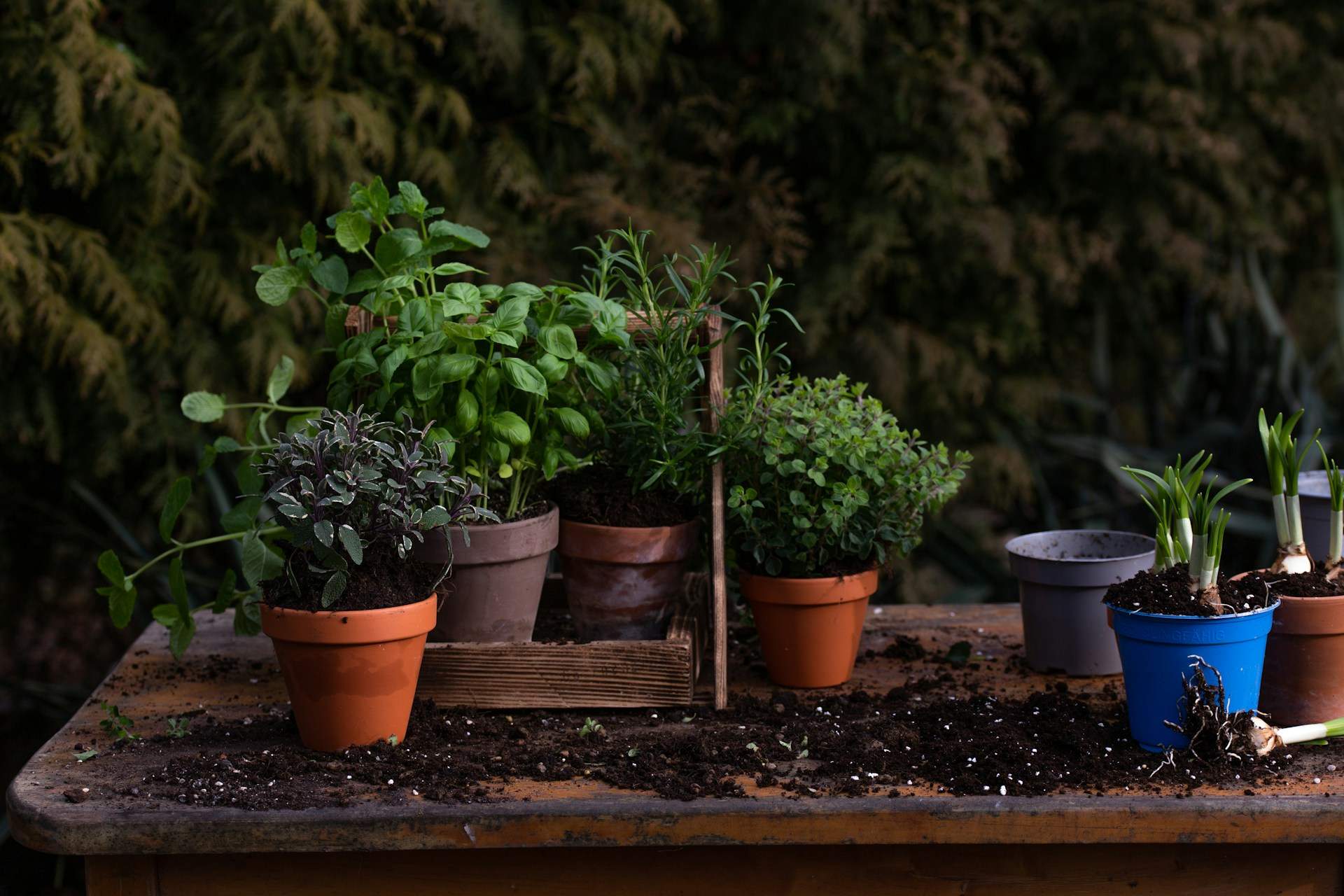
Choose 4 herbs. Nicole calls them the garden's "perfume and pharmacy" — and she's right. Herbs elevate every meal, but they also do quiet work in the background: many of them repel pests with their essential oils, protecting the plants around them.
Try: Two perennials like rosemary and thyme (they'll come back year after year), and two annuals like basil and dill — so you always have something to reach for, whatever the season.
3: The root vegetables — hidden treasure
Next, pick 3 root vegetables. These are the quiet achievers of the garden. They grow downward rather than outward, making them ideal for filling gaps between leafy greens and larger plants without competing for space above ground.
Try: Radishes for the fastest possible satisfaction, carrots for sweetness, and beetroot for colour and versatility in the kitchen.
2: The star plants — your showstoppers
Now for the headline acts. Choose 2 fruiting plants you genuinely want to show off. These are the plants that need a little more attention — a stake here, extra feeding there — but they reward you with the kind of harvests that make the whole garden feel worthwhile.
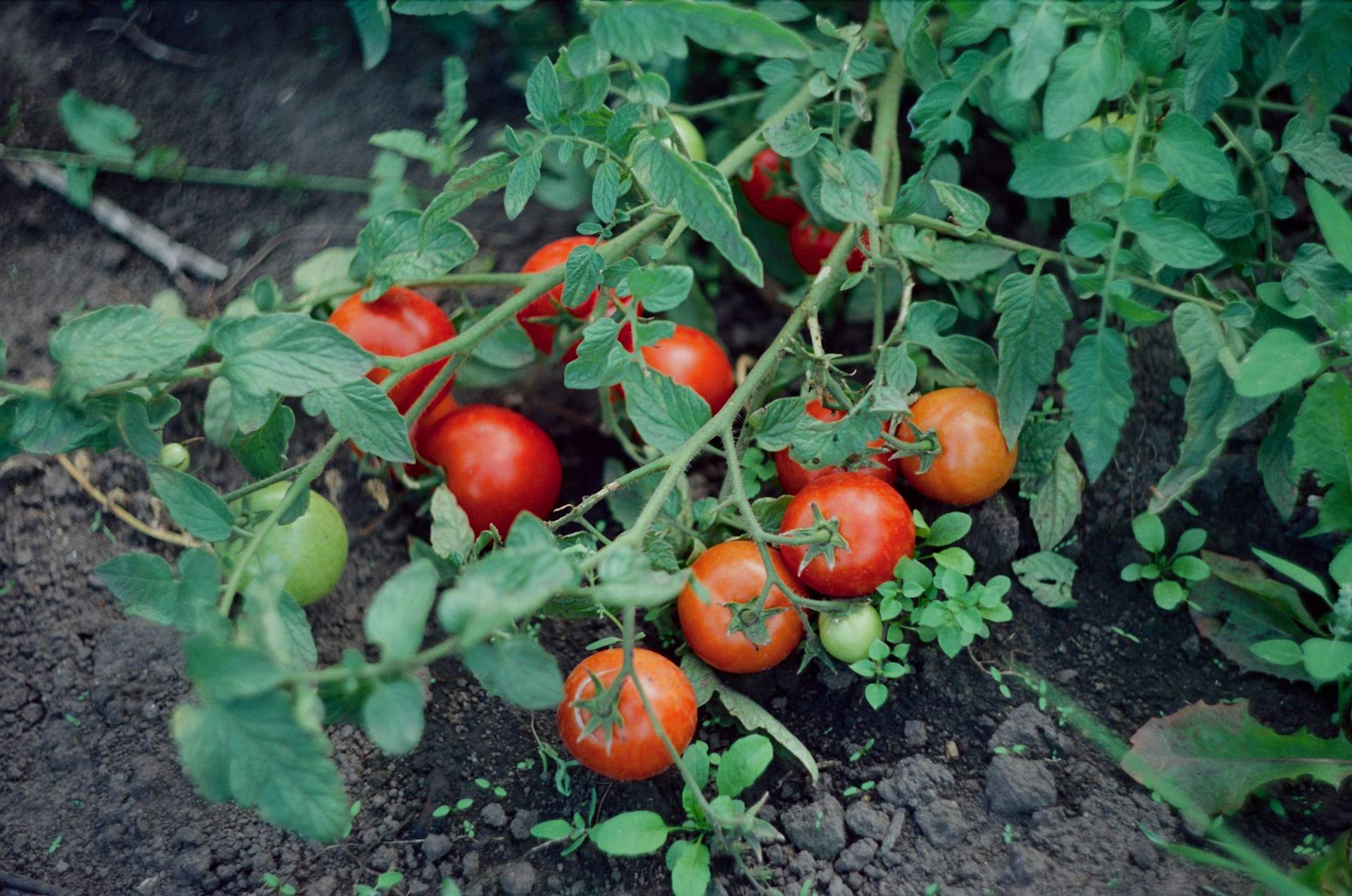
Try: A prolific cherry tomato variety and a crisp, climbing cucumber. They thrive together, look beautiful, and keep your kitchen stocked all summer.
1: The wildcard — pure joy
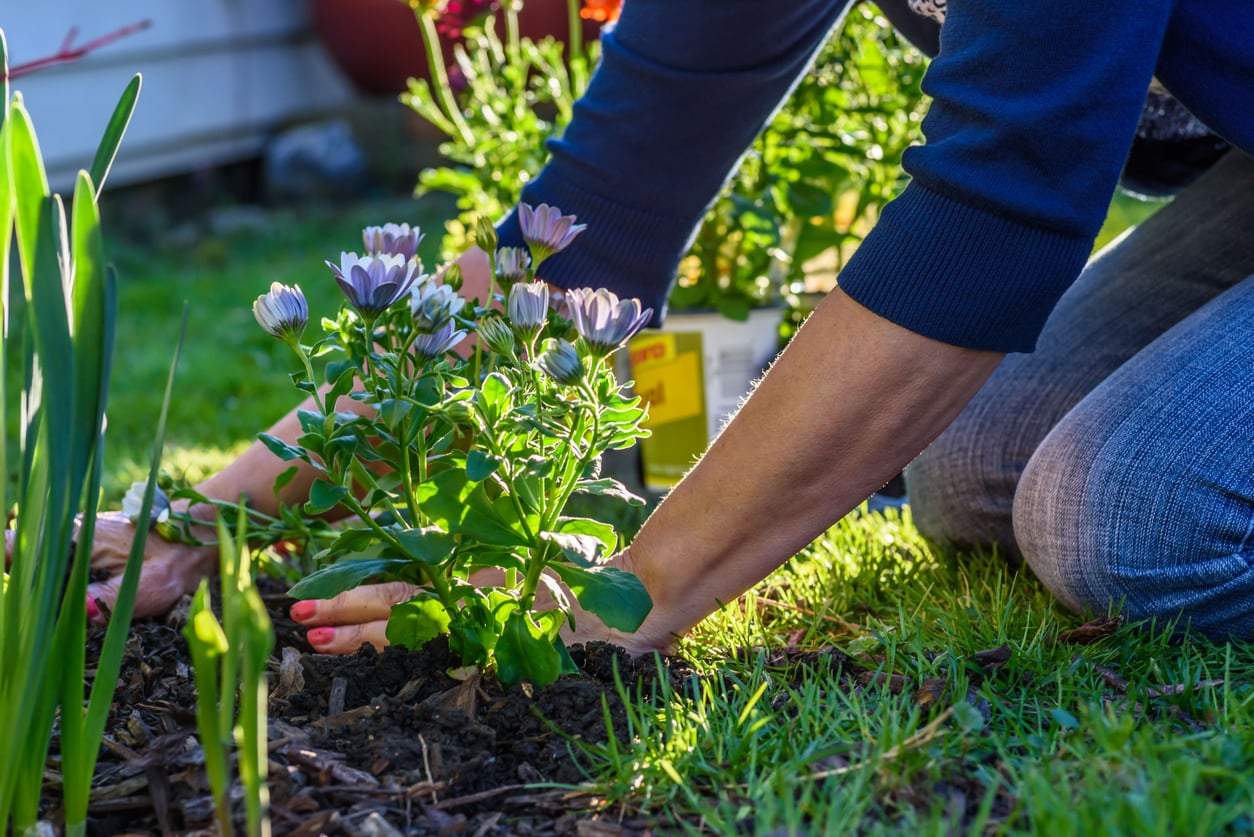
Finally, choose 1 plant purely for the pleasure of it. This could be something you've never grown before — a new experiment — or simply a flower that makes you smile every time you see it. Don't underestimate the flowers: they attract pollinators, which your vegetables genuinely depend on.
Try: A towering sunflower, edible nasturtiums, or a variety of sweet pea you've always wanted to grow.
Why does this method actually work?
- It eliminates decision fatigue: Instead of buying 20 types of seeds and forgetting to plant half of them, the numbers give your planning a clear, satisfying structure.
- It guarantees variety: You'll have something crunchy, something tender, something fragrant, and something sweet — your plate will be as diverse as your garden.
- It's genuinely beginner-friendly: If you're new to growing your own food, 15 plant varieties across two raised beds is exactly the right amount — enough to feel productive, not so much that it becomes a second job.
One pro tip on timing
When you're selecting your 5-4-3-2-1 plants, keep the seasons in mind. Your leafy greens and root vegetables love the cooler days of early spring, while tomatoes and basil need warmth and won't thank you for going out before the last frost has passed. Stagger your planting this way and your garden comes to life gradually — a little more each week — rather than everything demanding your attention at once.
Gardening was never meant to be about perfection. It's about the process — the slow pleasure of watching something grow. With this method, you'll spend less time anxiously planning and more time sitting with a coffee, quietly proud of what you've made.