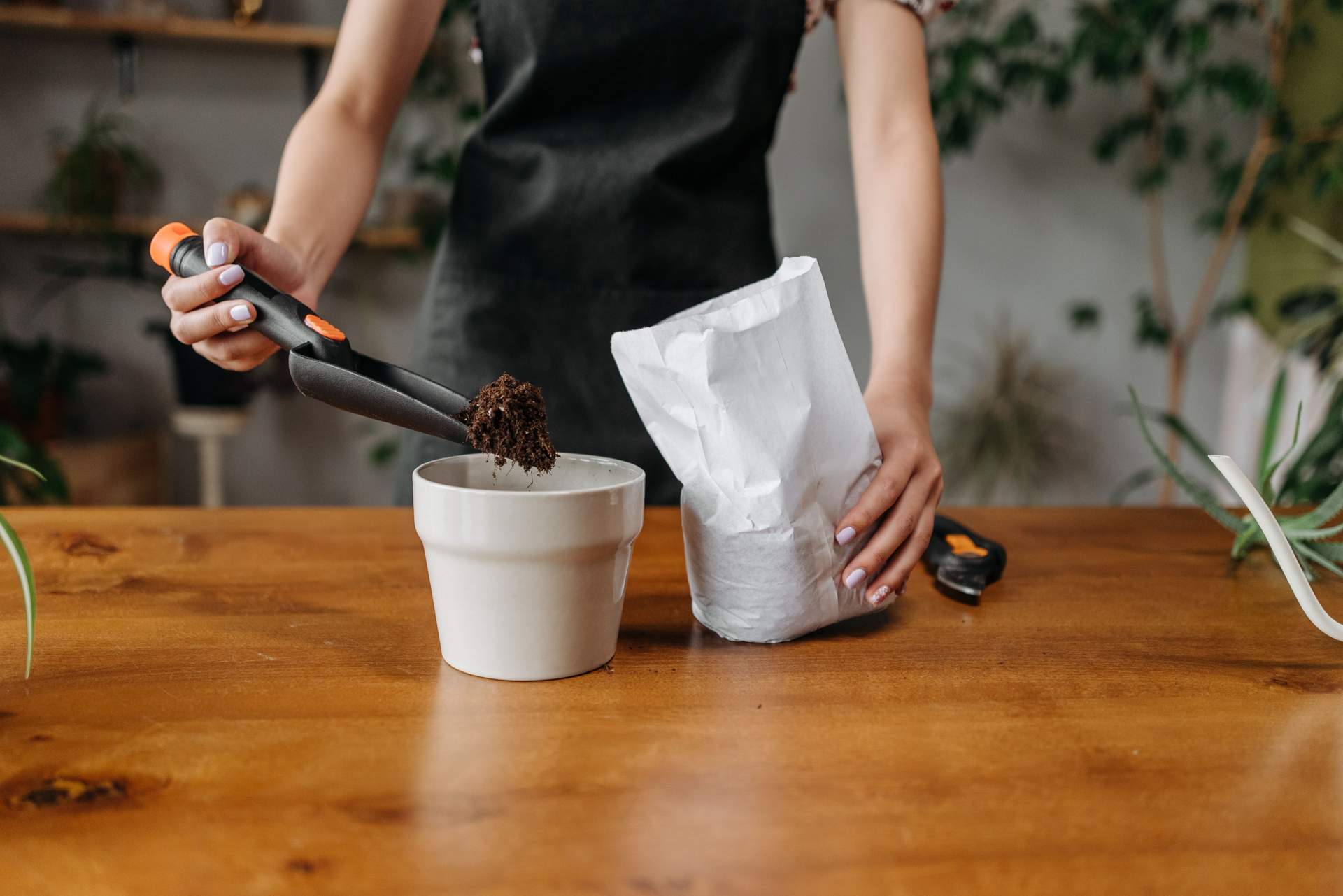
Coffee grounds feel like the ultimate gardening freebie — natural, eco-friendly, and full of promise. But before you tip your morning brew into the garden, there's something important you need to know: for some plants, coffee grounds aren't a gift. They're a slow poison.
The problem comes down to chemistry. Freshly used coffee grounds are acidic, and as they break down in the soil, they trigger microbial activity that temporarily locks up nitrogen — the very nutrient most plants need to thrive. Plants that love acidic, humus-rich soil will thank you for it. But the three plants below? They'll quietly suffer until it's too late.
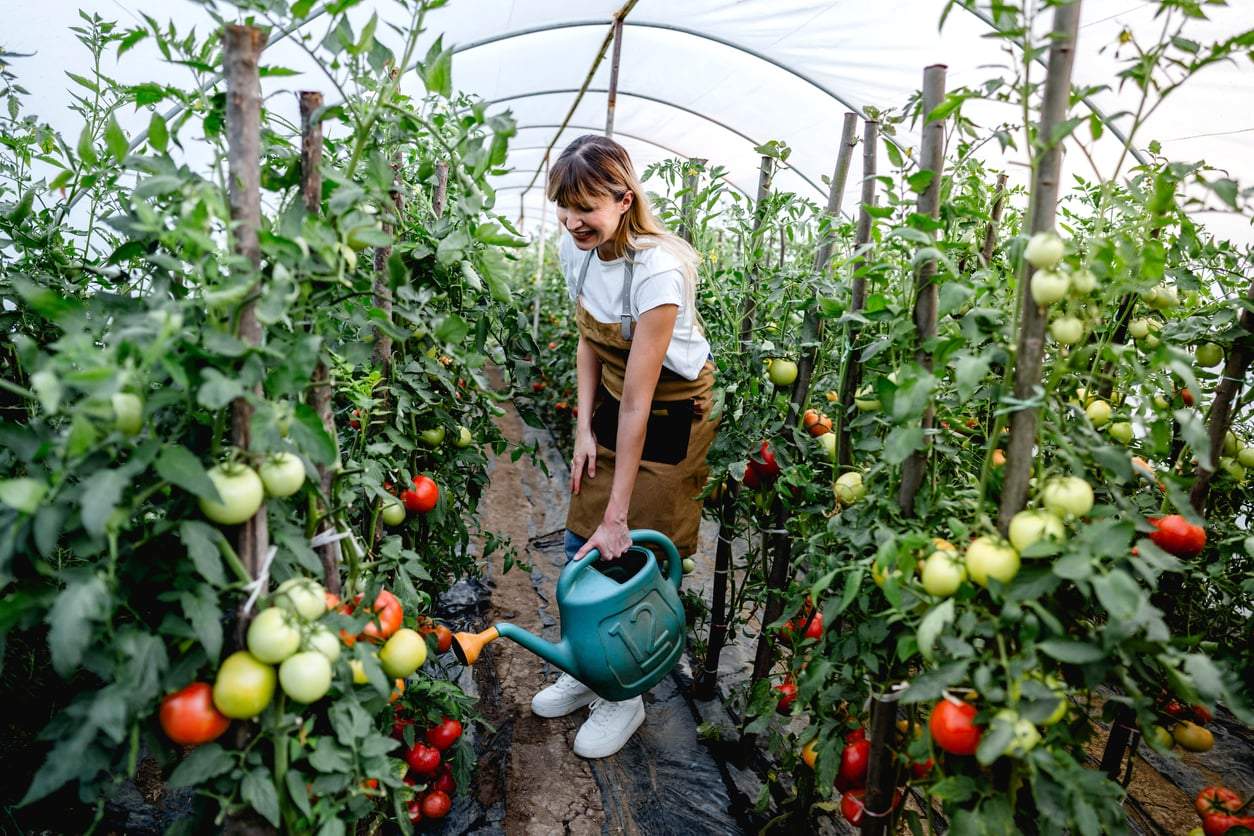
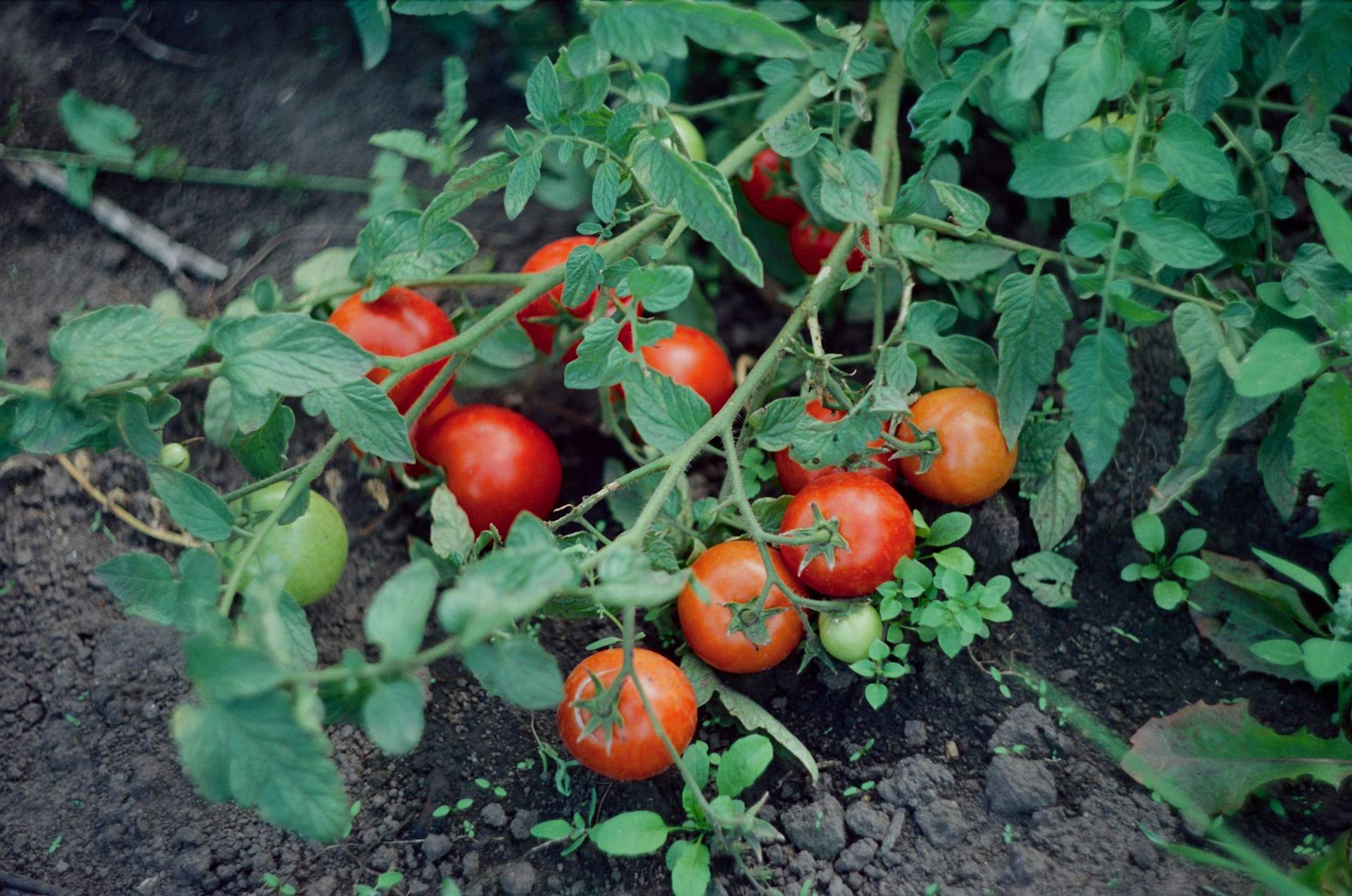
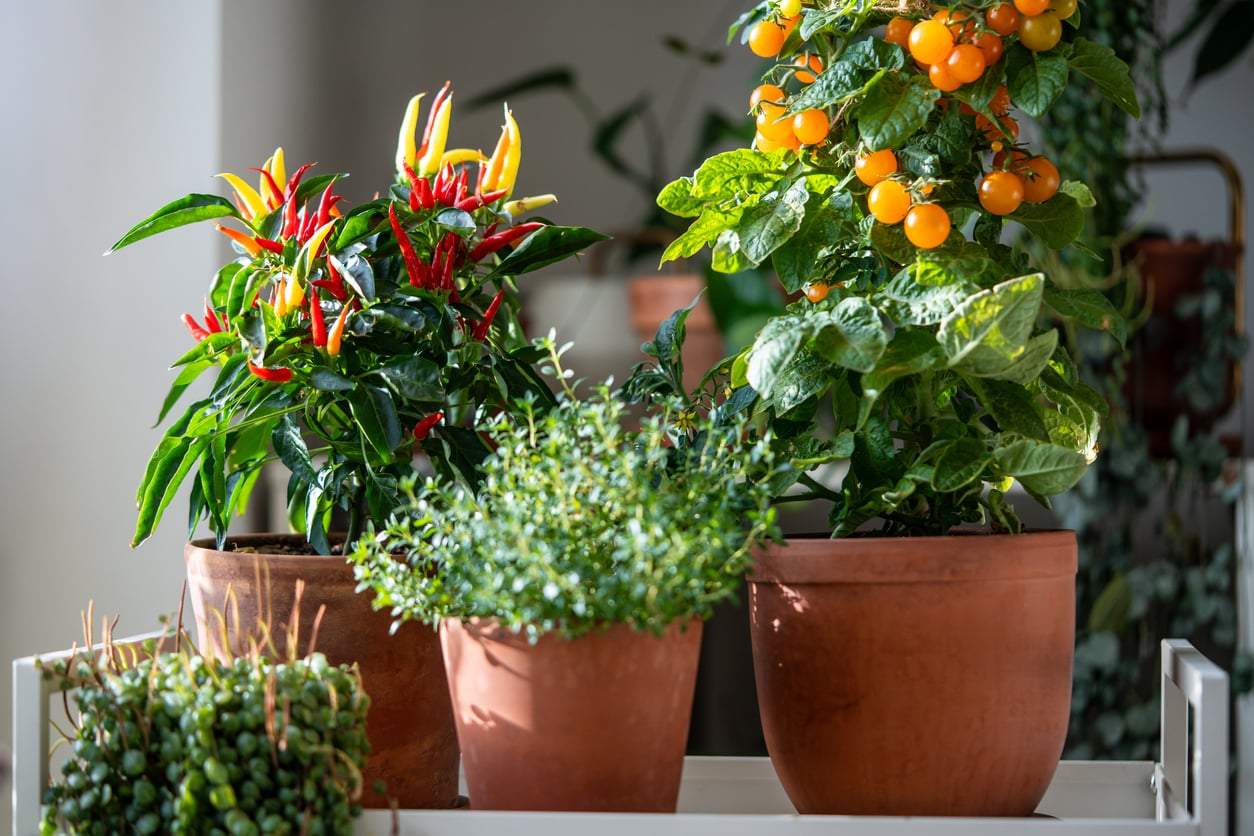
1. Tomatoes prefer neutral, gentle soil
Tomatoes are one of the most common casualties of well-intentioned coffee ground use. Their root zone actually thrives in neutral to slightly alkaline soil, and the acidity in coffee grounds can throw that balance completely off.
To make things worse, as the grounds decompose, soil microorganisms go to work breaking down the organic matter — and in the process, they temporarily bind up the nitrogen in the soil. This means your tomato plant is starved of a critical nutrient at exactly the moment it needs it most: during active growth and fruit development.
The symptoms look deceptively familiar — slow yellowing of the leaves, poor flowering, and underdeveloped fruit. Many gardeners assume the plant needs more water or sunlight. In reality, the soil chemistry has quietly shifted, and coffee grounds are often the culprit no one suspects.
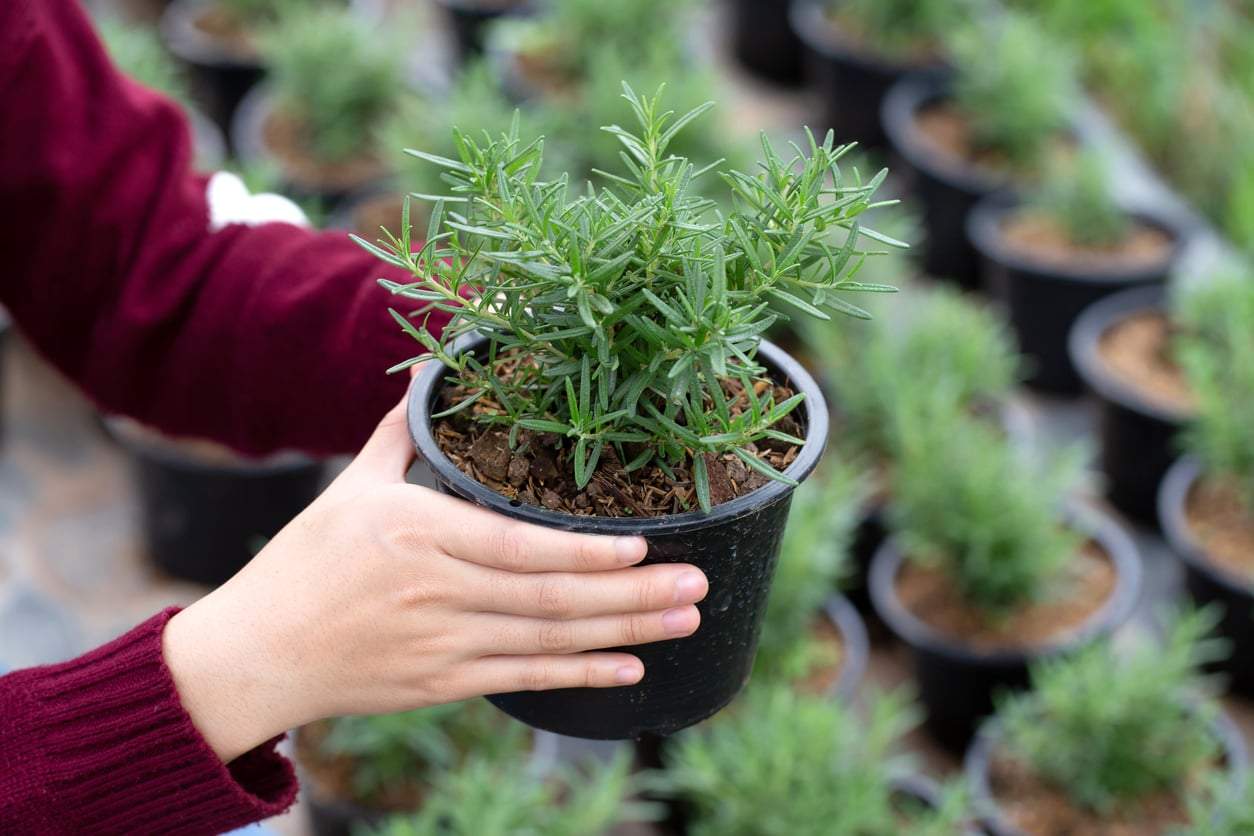
2. Rosemary belongs in dry, alkaline Mediterranean soil
Rosemary evolved on sun-baked, rocky hillsides around the Mediterranean — stony, chalky, well-draining ground with a distinctly alkaline pH. It is perfectly adapted to lean, dry conditions where water flows away fast and nutrients are scarce.
Rosemary roots hate exactly what coffee grounds deliver: a moist, acidic, nutrient-heavy environment.
Coffee grounds don't just acidify the soil around rosemary — their water-retaining properties also keep moisture lingering near the roots far longer than this plant can tolerate. The result is root rot, which shows up first as browning, withering branch tips, then spreads gradually until the plant is beyond saving. By the time the damage is obvious, it's usually already too late to reverse.
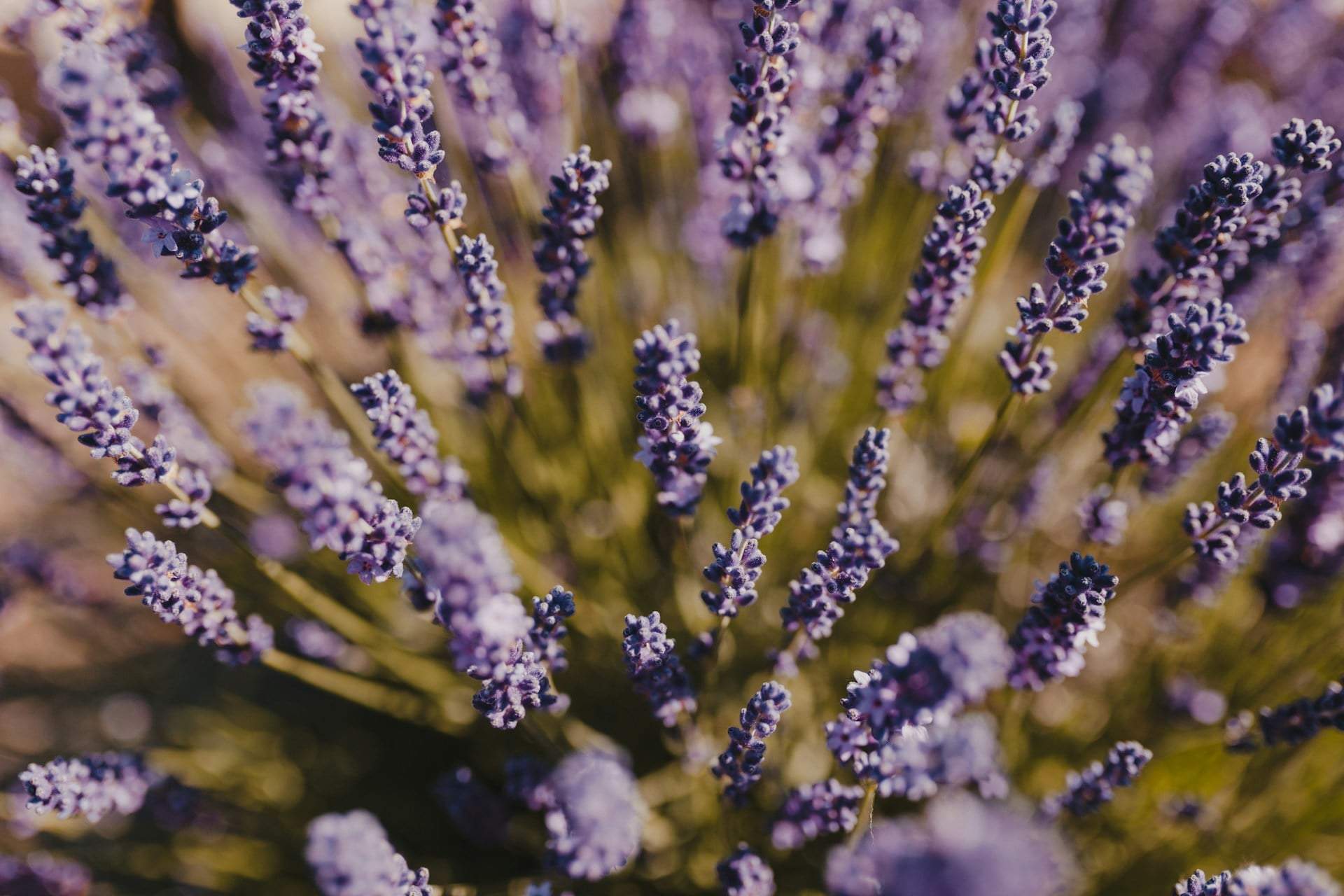
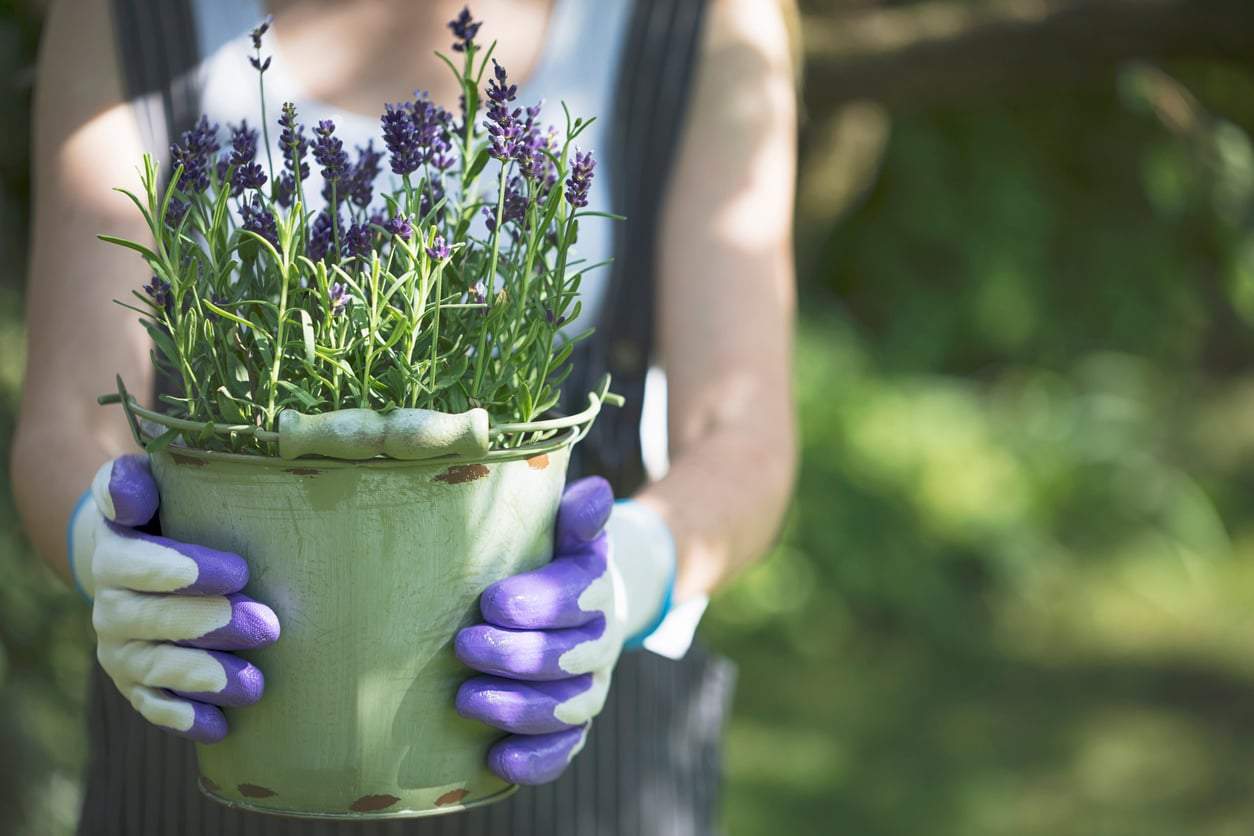
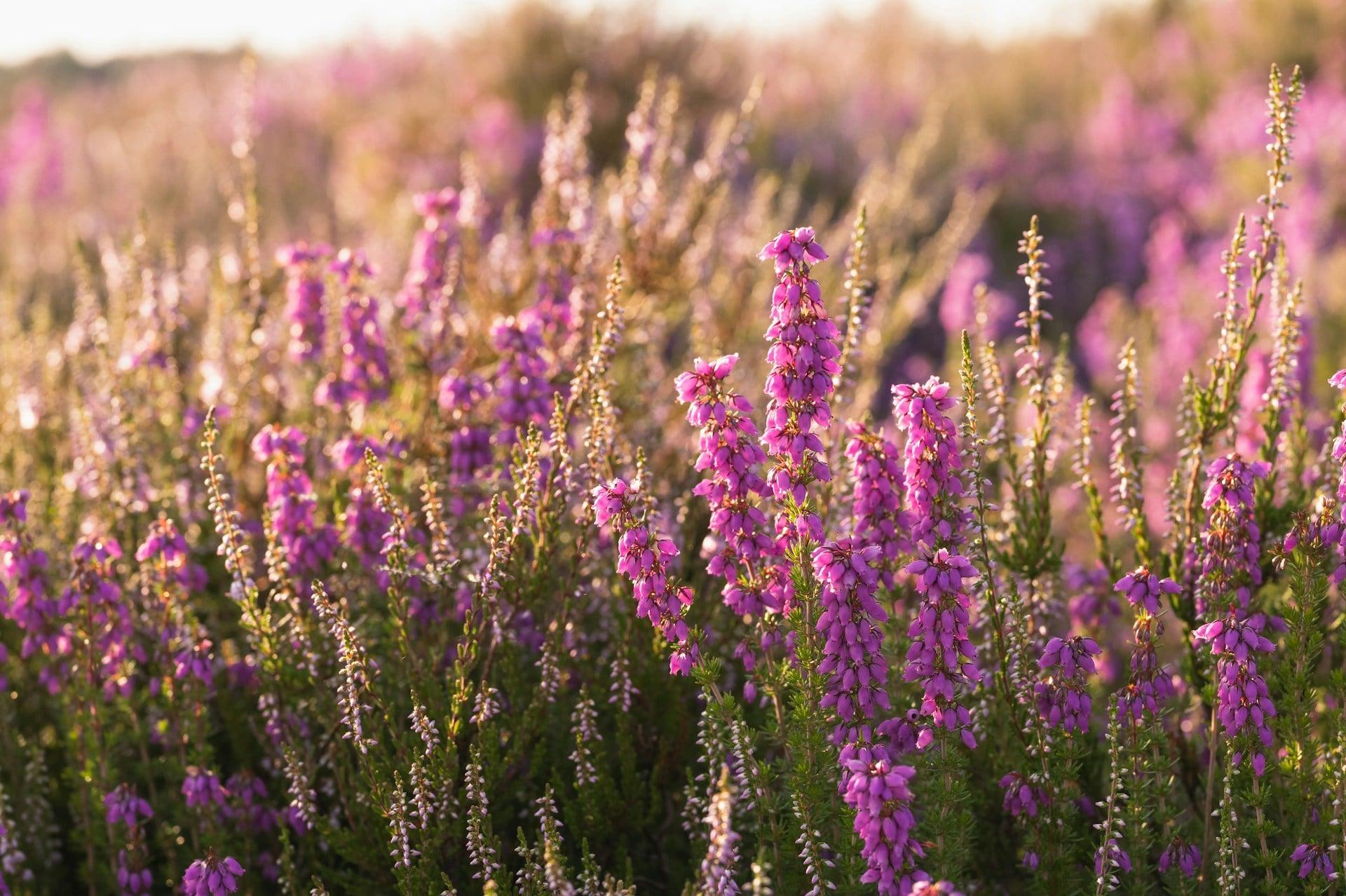
3. Lavender thrives on drought and limestone — not coffee
Like rosemary, lavender demands sunny, poor, calcium-rich, alkaline soil. It is one of those plants that genuinely performs better when you leave it alone — less water, less fertilizer, less intervention. Coffee grounds do the opposite of all of that.
The combination of increased soil moisture and rising acidity creates ideal conditions for fungal infections and root rot in lavender's root zone. At the same time, the acidifying effect blocks the plant's ability to absorb the minerals it depends on — primarily calcium and magnesium. What follows is a gradual decline: a thinning, woody, barely-flowering plant that most people only recognize as dying long after the damage is done.
So where should coffee grounds actually go?
If you'd rather not waste your coffee grounds, there are plants that genuinely love them. Blueberries, azaleas, rhododendrons, and hydrangeas all favor the acidic, humus-rich conditions that coffee grounds create — especially when composted first rather than dumped directly onto the soil.
The golden rule: match your amendment to your plant's natural habitat. Coffee grounds are a useful tool — just not a universal one. Keep them well away from tomatoes, rosemary, and lavender, and your garden will be better for it.
Can I use coffee grounds in my garden at all?
Yes — but selectively. Coffee grounds work well for acid-loving plants like blueberries, azaleas, and rhododendrons. The key is to compost them first rather than applying them directly to the soil.
Why are coffee grounds harmful to these specific plants?
Coffee grounds are acidic and retain moisture, both of which are the opposite of what tomatoes, rosemary, and lavender need. They also temporarily lock up soil nitrogen as they decompose, depriving plants of a vital nutrient during key growth stages.
How do I know if coffee grounds have already damaged my plants?
Watch for slow yellowing in tomatoes, browning branch tips in rosemary, and gradual thinning or reduced flowering in lavender. These symptoms are easy to mistake for watering or light problems, so consider your recent soil amendments if your plant seems unexpectedly stressed.
Is it safe to put coffee grounds directly on soil or should they be composted?
Composting is always the safer option. When mixed into a compost heap, the acidity is buffered and the nitrogen-locking effect is reduced. Applying grounds directly and repeatedly to the same spot is where problems tend to develop most quickly.