Before you toss those coffee grounds in the trash, think twice. That damp, dark leftover from your morning cup is one of the most popular free fertilizers among home gardeners — and for the right plants, it's a genuine treat.
But here's the catch: what nourishes one plant can quietly destroy another. Give coffee grounds to the wrong houseplant, and you could be watching it wilt within a week. So which of your green friends will thank you, and which ones should you keep well away from your coffee habit?
The 3 houseplants that love coffee grounds
Ferns
Ferns like the ever-popular Boston fern thrive in the slightly acidic soil that coffee grounds create. A sprinkle of fresh grounds helps the soil hold onto moisture, and the roots respond beautifully to this soft, fine-textured boost.
Azalea
Azaleas fill a home with striking bursts of color, and they genuinely love soil enriched with coffee grounds. Gently lowering the soil's pH encourages richer blooms and deep, glossy green leaves.
Rhododendron
The rhododendron is another lover of acidic soil, which makes coffee grounds a cheap and easy way to give its roots a little extra nourishment. Just don't overdo it — too much acidity can end up doing more harm than good.
If you're enjoying these little zero-waste wins, you might also like our other clever ways to use coffee grounds around the home.
The 3 houseplants you'll ruin with coffee grounds
Fiddle-leaf fig
This tall, sculptural fig is a design-world favorite — but it does not appreciate the acidic soil that coffee grounds create. Try feeding it your coffee leftovers, and its leaves may turn yellow and weak before long.
Jade plant (Crassula)
A beloved succulent, the jade plant dislikes the excess moisture and acidity that regular coffee grounds bring. Native to rocky, dry landscapes, these plants much prefer things on the drier side.
Cacti
Cacti would rather have almost anything than soil packed with coffee grounds. They avoid moisture and acidity wherever possible, so the best thing you can do is skip any additive that increases either one.
How to use coffee grounds on your houseplants
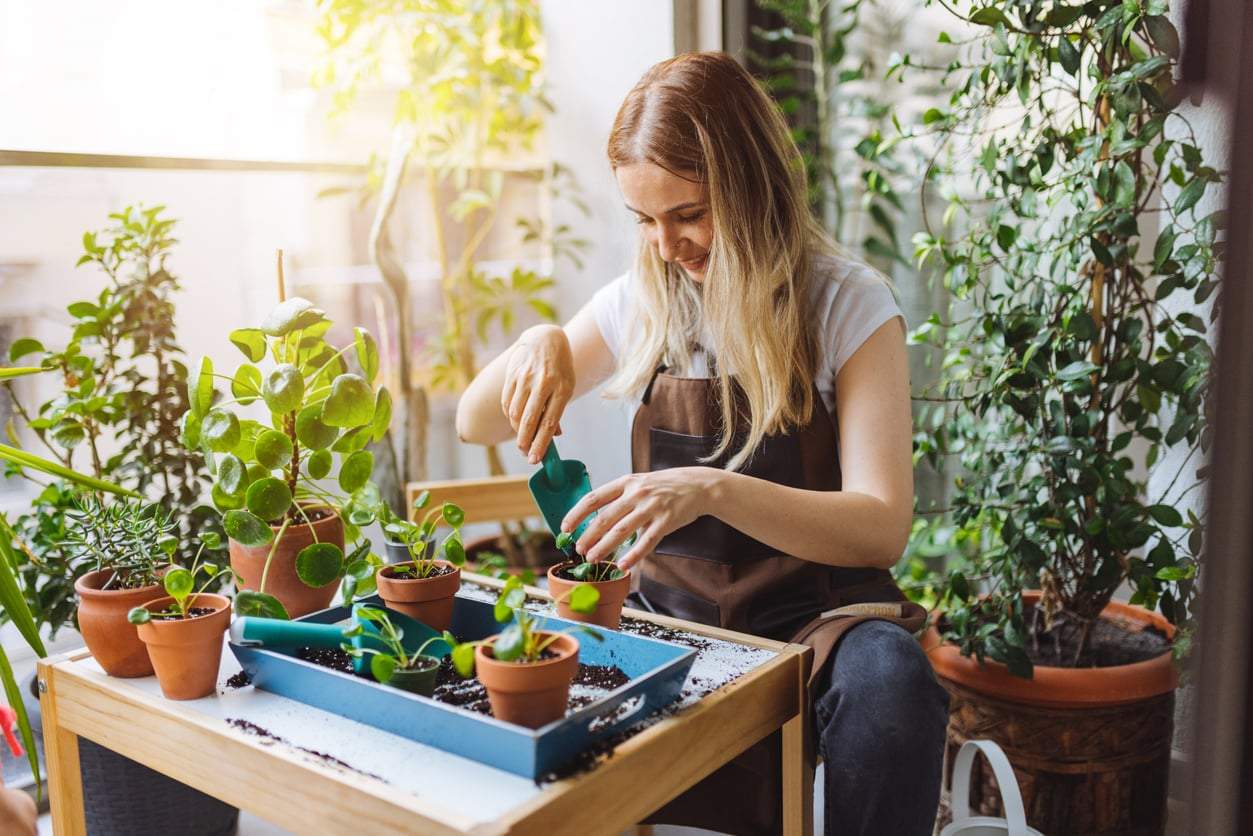
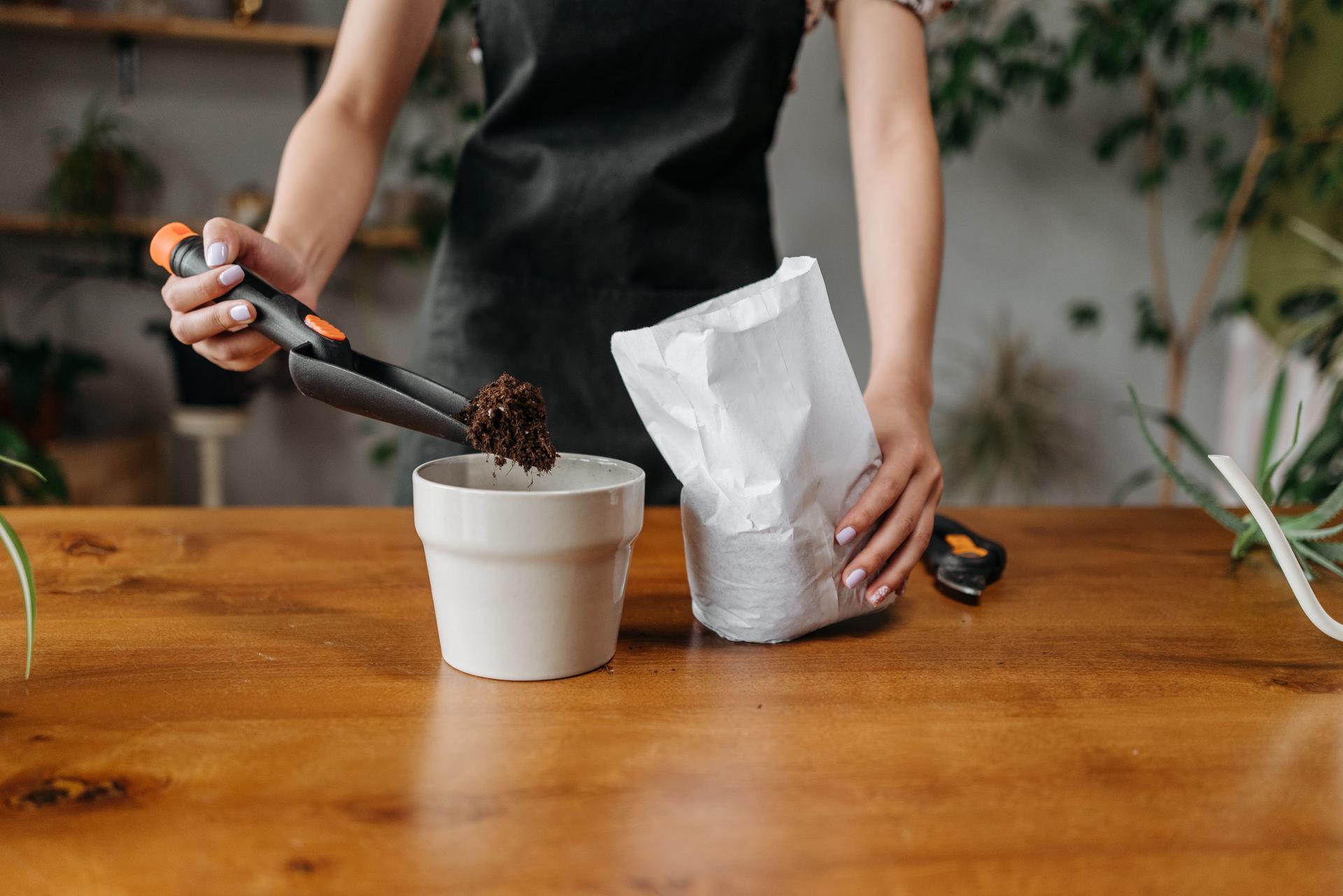
Always use coffee grounds in small amounts only. Scatter them evenly over the top of the potting soil, then gently work them into the upper layer. This way the organic matter breaks down gradually, improving the soil's structure while helping it retain moisture for longer.
Just remember that less is more here: once or twice a month is plenty. Too many coffee grounds over time can make the soil far too acidic — and that's no longer good news for every houseplant.
Can I use fresh coffee grounds, or should they be used?
Used, damp coffee grounds work well and help the soil hold moisture. The key is moderation, no matter which kind you use.
How often should I add coffee grounds to my plants?
Once or twice a month is more than enough for the plants that enjoy them. Adding more can gradually make the soil too acidic.
Why do coffee grounds hurt cacti and succulents?
Plants like cacti and jade come from dry, rocky environments and prefer low moisture and low acidity. Coffee grounds increase both, which is exactly what these plants want to avoid.
What happens if I give coffee grounds to a fiddle-leaf fig?
The extra acidity doesn't suit it, so its leaves can turn yellow and weak. It's better to keep coffee grounds away from this plant entirely.