Bien Logo

The Plants You Can Save Instead of Replacing: A Balcony Guide to Overwintering

Lena Hartley5 min read
Share:
The Plants You Can Save Instead of Replacing: A Balcony Guide to Overwintering — Garden & terrace

Three ways to carry a plant through

The first is protect in place, which suits salvias and other borderline perennials. Resist the urge to cut everything back hard — the old top growth shelters the crown — and tidy only what's slimy or collapsed. Mulch generously over the base with compost, leaf mould or bark, move pots against a sheltered wall and off cold paving onto feet or a board, and wrap the container (not the plant) with hessian, bubble wrap or an old blanket. The aim is to insulate the roots and keep the compost from becoming a frozen brick.

The second is lift and store dry, which is the classic route for dahlias. After the foliage has been blackened by frost, cut the stems down, ease the tubers up, let them dry off, and store them somewhere frost-free and dark in dry compost, sand or shredded paper. Check them every few weeks and pull out anything going soft before it spreads.

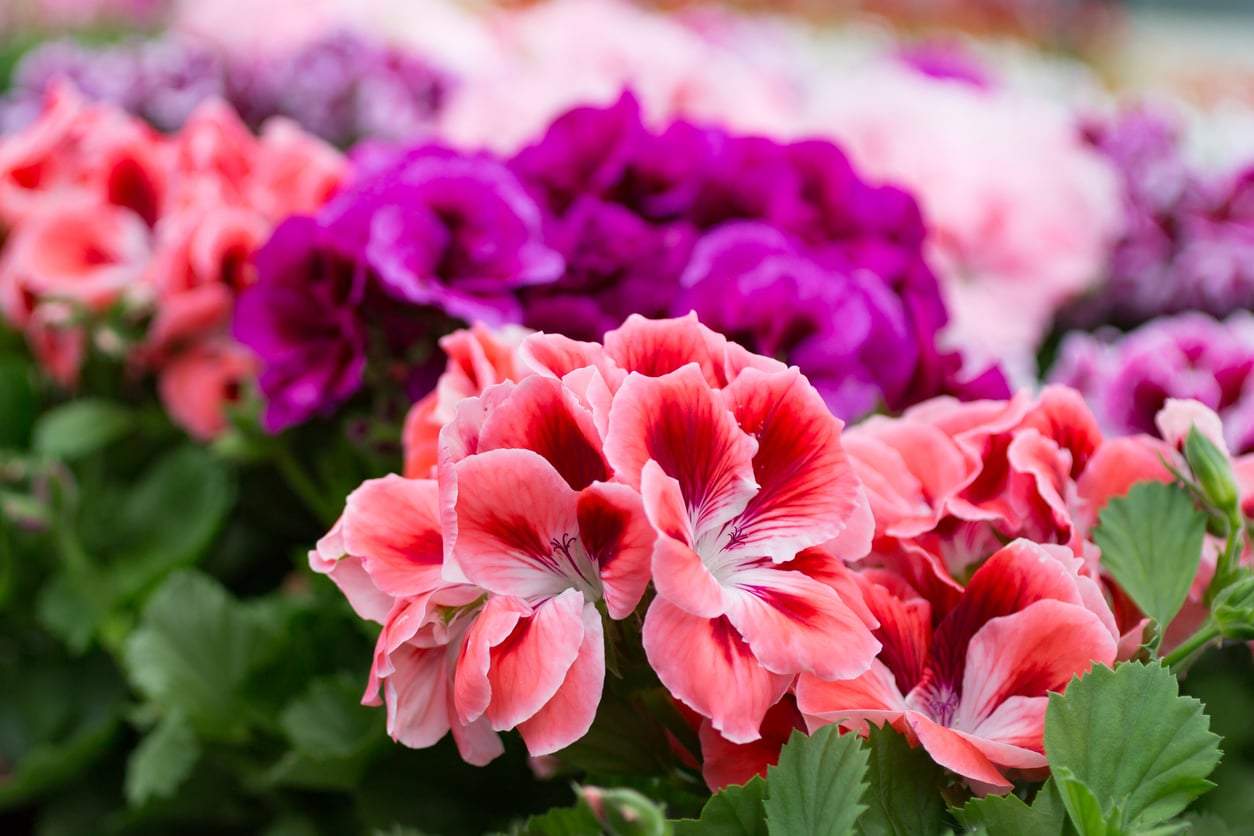
The third is bring them in, which is how most of us keep pelargoniums and fuchsias going. They don't want a warm living room; they want somewhere frost-free, light enough and distinctly cool — a porch, a spare-room windowsill with the radiator off, an unheated but bright utility space. Trim them back, remove dead leaves so nothing rots in the pot, and let them tick over rather than grow.

The mistake that kills more plants than frost

Overwatering. A dormant plant in a cool room barely drinks, and compost that stays damp in low light is an invitation to rot and fungus gnats. Water sparingly — enough that the rootball never shrinks away from the sides of the pot, and no more. Check with a finger rather than a schedule.

While you're at it, give them air. Plants crammed together in a still, cool space develop mould on the lower leaves within weeks. Space them out, pick off anything that drops, and open a window on a mild day. Ten seconds of inspection each week is what separates a plant that emerges in March from one you quietly throw out.

Related reads

Next Summer's Garden Is Already Here — You Just Have to Take It — Garden & terrace

Next Summer's Garden Is Already Here — You Just Have to Take It

November is the month the garden gives plants away for free: divisions, cuttings, seed and self-sown seedlings. Here is what to lift, snip and save before the ground goes hard.

Lena Hartley•
The Last Weeks of Tomato Season: What to Do Now So Nothing Rots on the Vine — Garden & terrace

The Last Weeks of Tomato Season: What to Do Now So Nothing Rots on the Vine

Late summer is when tomato plants stop working for you and start working against you. Five jobs — most of them subtractive — that decide whether you get a final harvest or a compost heap.

Lena Hartley•
The October Garden Jobs That Pay You Back in Spring — and the One Worth Skipping — Garden & terrace

The October Garden Jobs That Pay You Back in Spring — and the One Worth Skipping

Late October is the month that quietly decides what your garden, balcony or windowsill looks like next April. Here is what is genuinely worth doing now — and the tidy-up habit you can happily abandon.

Lena Hartley•
Make a Tiny Stop-Motion Film With Your Kids This Half-Term — Family

Make a Tiny Stop-Motion Film With Your Kids This Half-Term

Stop-motion animation is having a moment again, and it turns out to be one of the best rainy-afternoon projects a family can do — no equipment beyond a phone and a lot of patience.

Mira Calloway•
The Autumn Reading Reset: How to Start Finishing Books Again — Hobby

The Autumn Reading Reset: How to Start Finishing Books Again

Most of us have not lost the desire to read — we have lost the conditions for it. Here is how to rebuild a reading habit that survives contact with real life.

Elise Navarro•
The Last Green Tomatoes: How to Ripen Them Indoors — and What to Cook With the Rest — Garden & terrace

The Last Green Tomatoes: How to Ripen Them Indoors — and What to Cook With the Rest

The nights are cooling and half the crop is still hard and green. You do not have to lose it — here is how to ripen tomatoes off the plant, and what to do with the ones that never will.

Sofia Marlowe•