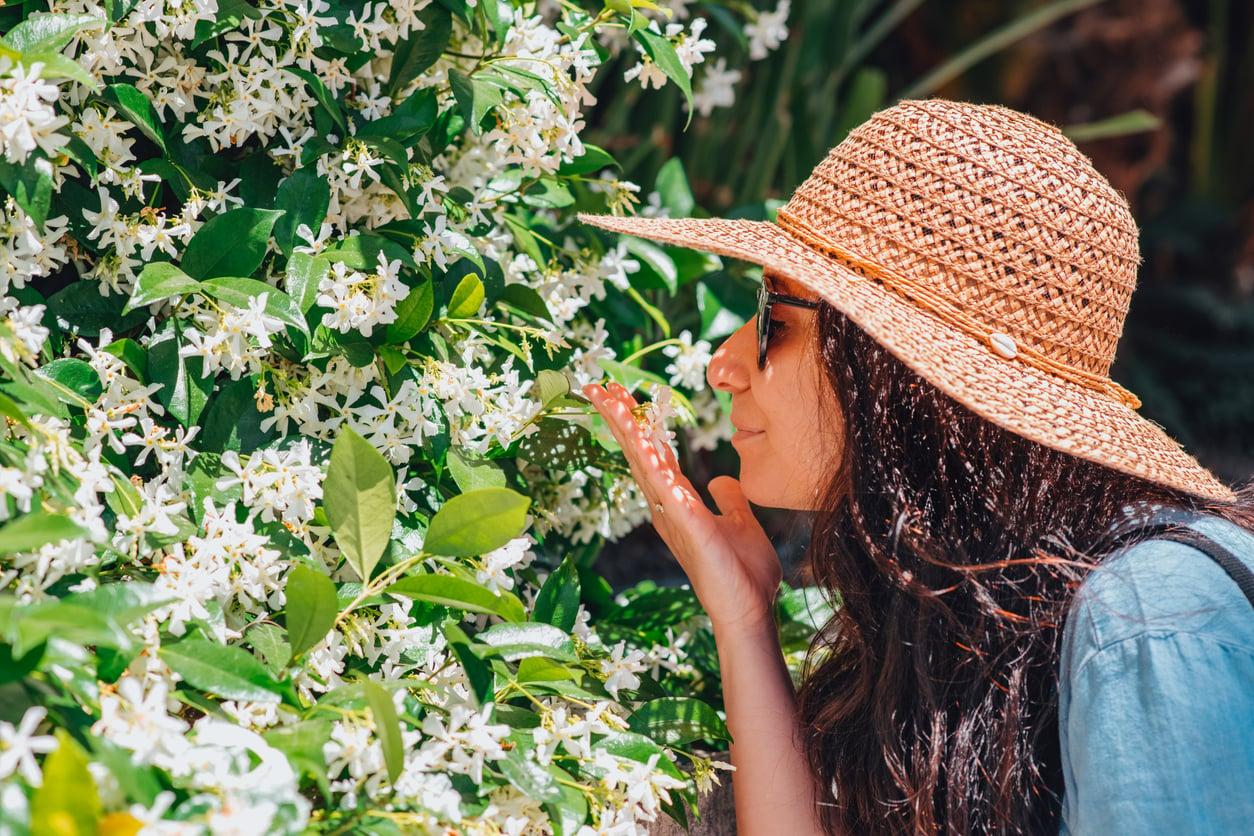
A beautiful garden delights the eyes. But a fragrant one? That stays with you. It greets you at the door, drifts through open windows on warm evenings, and turns an ordinary corner of the yard into somewhere you actually want to linger.
The good news: it's not too late. There's still time in July to plant something wonderfully scented. And while lavender always steals the spotlight, these seven plants prove it has plenty of fragrant company.
1. Jasmine — the queen of the night
Jasmine's sweet perfume is famous around the world, and it's no accident that it's a favourite of professional perfumers. This essentially tropical plant loves warmth, but it copes surprisingly well through mild winters too.
Give it a sunny spot with plenty of light, and if you add a sturdy support, you can even train it up a wall — an effortlessly romantic touch for any home.
2. Rose — the eternal classic
The rose is the very picture of elegance and refined beauty. There are countless varieties, but when it comes to fragrance, the older, traditional types win every time.
If you're chasing real scent intensity, choose one of the heritage varieties. Plant it somewhere with good air circulation and prune it regularly, and it will reward you with healthy, generous blooms.
3. Lily — a symbol of purity
With its elegant shape and distinctive perfume, the lily is a popular choice for any garden. To let it shine at its full glory, give it enough water and nutrients.
When planting, aim for loose, sandy, well-draining soil — that's exactly the environment lilies love, and it helps the plant thrive.
If you're building a fragrant garden from scratch, it's worth thinking about which plants you want closest to your seating area, so the scents reach you where you relax most.
4. Lemon balm — the fragrant herb
If you love brewing your own tea, lemon balm is practically essential. Its fresh, citrusy scent is instantly uplifting, and it's long been valued for its soothing qualities too.
Plant this calming herb in full sun or partial shade, and make sure it gets enough water — especially during dry spells.
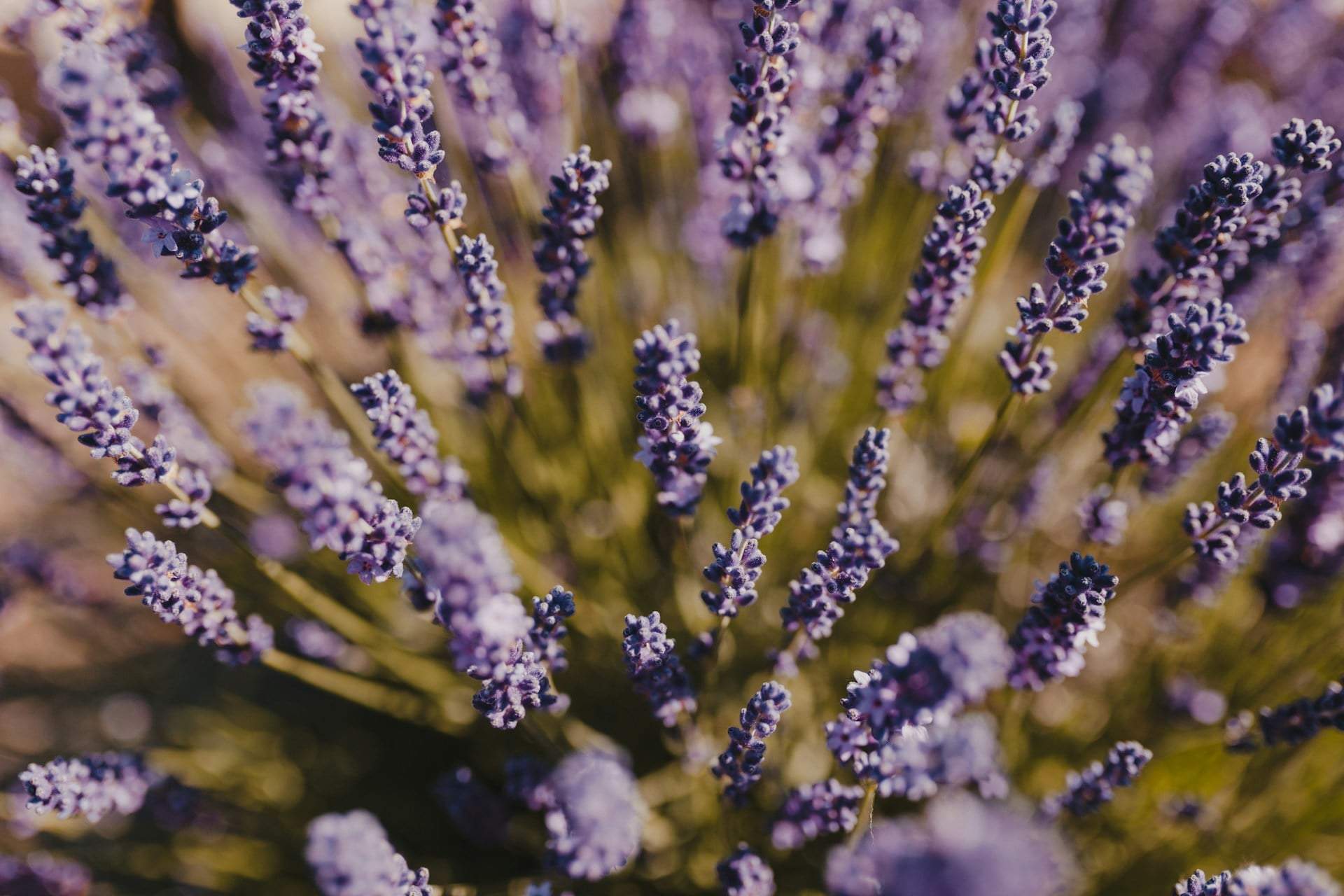
5. Lavender — the one everyone knows
Lavender is known the world over for its scent and its calming properties, but it still deserves a special place on this list. It's loved not only for its beauty, but for how useful it is — as a culinary herb and in aromatherapy alike.
Lavender needs a sunny spot and doesn't like too much moisture, so pay close attention to good drainage in the soil.
6. Sage — the pride of the kitchen
Sage isn't just a culinary star — its aroma is something special in its own right. That warm, woody scent makes it a firm favourite among many gardeners.
Give it a sunny position and well-aerated soil, and it will grow into a truly handsome, generous bush.
7. Basil — the king of herbs
The scent of basil is inseparable from Italian cooking — and with good reason. It's one of the most powerfully aromatic herbs you can grow.
When planting, give it a sunny spot and water it regularly. In return, it will grow abundantly and reward you with intensely flavourful leaves.
Each of these plants is special, and each adds its own note to your garden's fragrance. With the right planting plan and a little regular care, they won't just make your outdoor space more beautiful — they'll become part of your favourite gardening rituals and quiet moments of calm.
When is the best time to plant these fragrant plants?
July is still a good time to get many of them in the ground. As long as you provide the right conditions and keep them well watered during hot spells, they can establish and flourish.
Which of these plants is easiest for beginners?
Herbs like lemon balm, sage and basil are especially forgiving. They mostly need sun, decent soil and regular watering to reward you with plenty of fragrance.
Do all of these plants need full sun?
Most of them love a sunny spot, including jasmine, lavender, sage and basil. Lemon balm is more flexible and does well in full sun or partial shade too.
Why is good drainage so important?
Plants like lavender and lily dislike sitting in too much moisture. Loose, well-draining soil prevents waterlogging and helps the roots stay healthy.