A bare patch of soil in an otherwise lovely garden is like a missing rug in a beautifully furnished room — something just feels unfinished. Worse, exposed soil dries out quickly and practically rolls out the welcome mat for weeds. The good news? The right plants can solve all of this at once. Functional planting — choosing tough, spreading varieties that act as living ground cover — protects your soil, suppresses weeds, and saves you hours of maintenance. Here are five of the best plants for filling those empty spots with colour and character.
1. Bugle (Ajuga reptans) — the shade-lover's secret weapon
If the bare patch is in a darker, damper corner — under a large tree, for example — bugle is your answer. It stays low at just 10–15 cm tall, but its runners spread quickly to form a dense, connected carpet of deep green or bronzy-purple foliage.
Why we love it: In spring, it sends up beautiful spikes of blue flowers that are irresistible to bees.
Care: Remarkably unfussy, but it doesn't enjoy harsh midday sun — the leaves can scorch. In partial shade, though, nothing beats it.
2. Aubrieta — the queen of rock gardens and border edges
If the empty spot sits in a sunny rock garden or along the edge of a bed next to paving, aubrieta is the plant for the job. Come spring, it practically disappears beneath a sea of purple, pink, or white flowers — it's that spectacular.
Why we love it: It's evergreen, so it keeps the soil covered through winter and then explodes with colour in spring.
Care: Loves full sun and well-drained soil. Trim it back lightly after flowering to keep it compact and bushy.
3. Waldsteinia (Waldsteinia ternata) — the golden carpet you plant once and forget
This is the ultimate "plant it and forget it" ground cover. Its leaves look similar to wild strawberry, but instead of fruit it gives you a thick, glossy green mat studded with cheerful yellow flowers.
Why we love it: It's incredibly tough — it handles dry shade where most other plants would struggle to survive.
Care: Once established, it needs almost no attention and actively crowds out weeds on its own. Seriously, it does the work for you.
Looking for more ways to transform your outdoor space? Check out these garden design tips that make any yard look professionally planned.
4. Hosta — when size actually matters
Sometimes the bare patch isn't a small gap — it's a larger area at the base of shrubs or along a shaded fence. In those cases, rather than low ground cover, consider planting a few bold, large-leaved hostas.
Why we love it: Their enormous, heart-shaped leaves — which come in dusty blue, gold-edged, or striped varieties — completely shade the soil beneath them, leaving weeds with nowhere to grow.
Care: Hostas love shade and moisture. Their one real enemy is slugs, so protect the young leaves in spring with slug deterrents or copper tape.
5. Sedum — the sun-worshipping survivors
For spots that bake in full sun all day, with sandy or stony soil, sedum is the obvious choice. These succulent plants store water in their leaves, meaning they stay lush and vibrant even through a drought — sometimes turning a gorgeous deep red in the heat.
Why we love it: There are dozens of varieties to choose from, with flowers ranging from bright yellow to soft pink, and foliage in endlessly varied shapes and textures.
Care: The only thing to watch is overwatering — sedum hates waterlogged soil. Beyond that, it's virtually indestructible.
How to get started
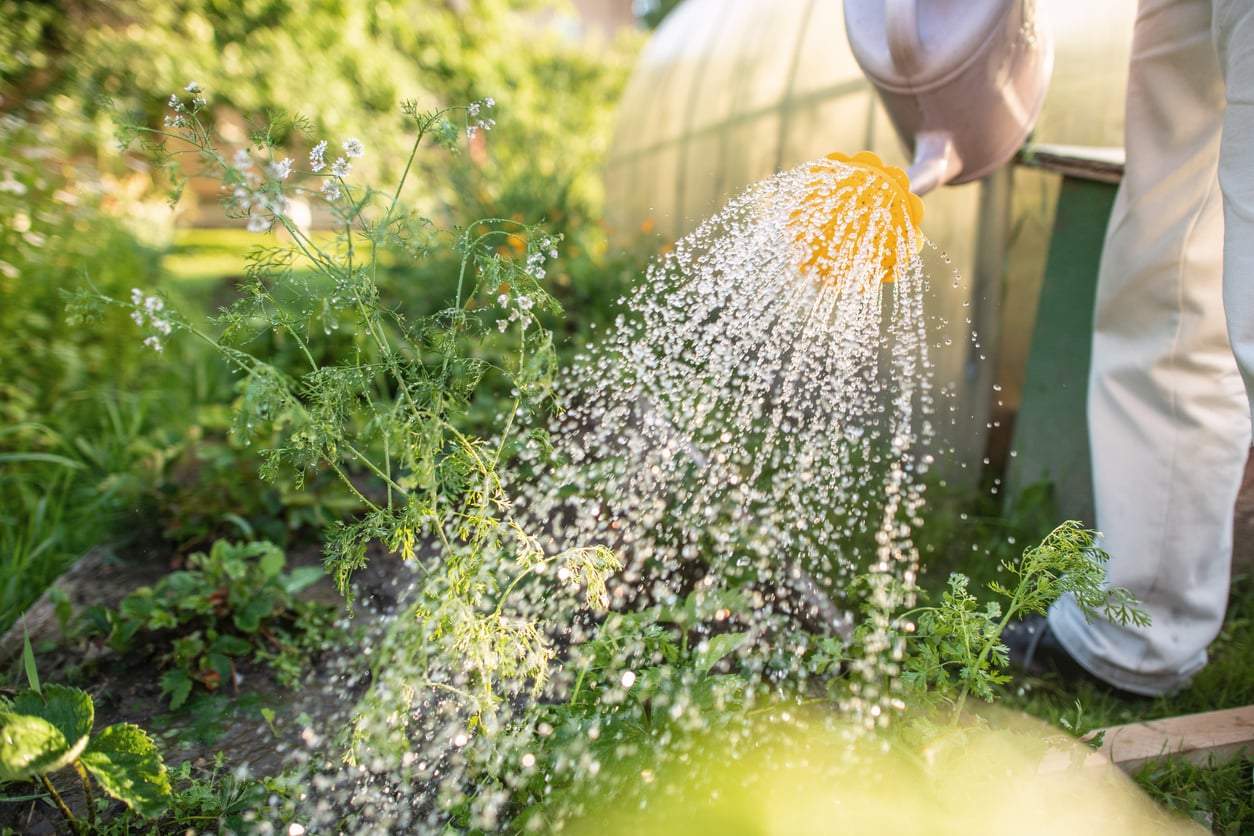
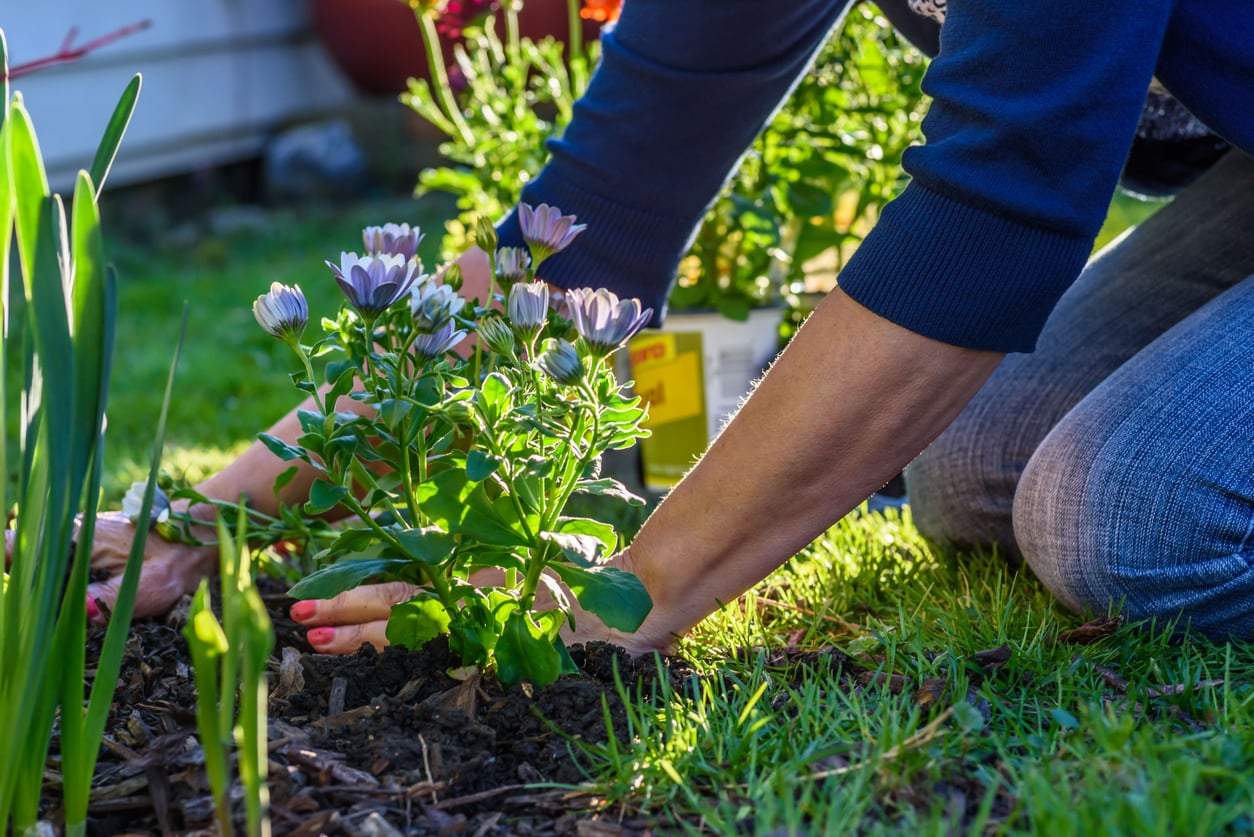
Before planting, weed the area thoroughly and loosen the soil. Working in a little compost will help your new plants establish quickly. For the first few weeks after planting, keep an eye on watering until the roots have settled in — after that, your plants will largely take care of themselves.
The real takeaway here? Don't be afraid to experiment. Even a single well-chosen plant can transform a neglected corner into something you're genuinely proud of. Sometimes the smallest change makes the biggest difference in how a garden feels.