Butterflies are among the most magical visitors a garden can have. But they don't show up by chance — they're looking for food, warmth, and shelter. Plant the right things, and they'll find you. Here are 10 plants that butterflies genuinely can't resist, most of which you can still get into the ground this season.
Marigold
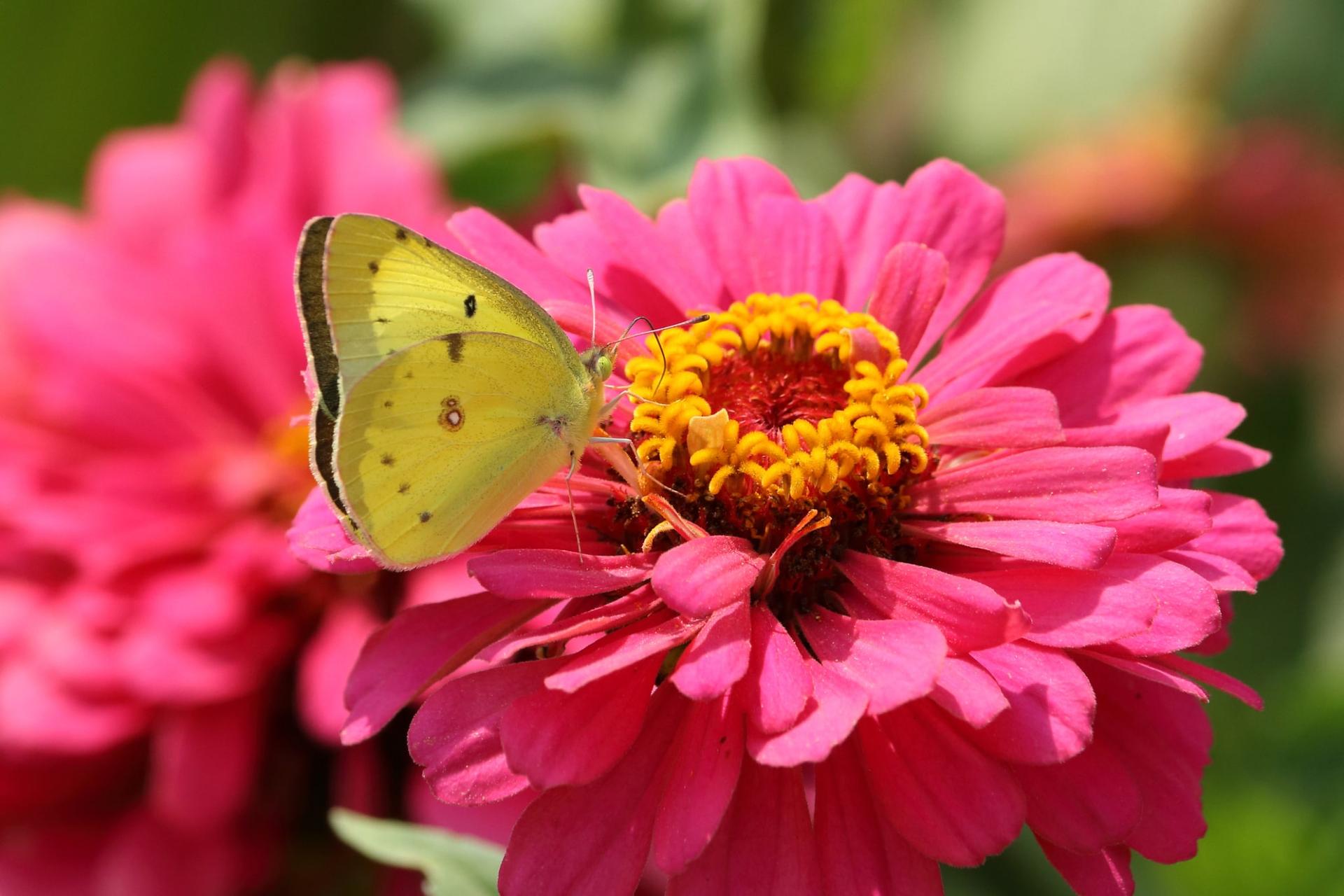
Butterflies love marigolds in general, but there's one large yellow-winged species that's particularly devoted to them. For the best effect, plant several marigolds together in a cluster, and make sure to deadhead spent blooms regularly — this encourages fresh flowers to open and keeps the butterflies coming back.
Bottlebrush buckeye
This stunning green-and-white shrub draws butterflies by the dozen when it reaches full bloom in midsummer. Its appeal goes beyond just fragrance — its dense, leafy canopy also provides the kind of sheltered shade that butterflies actively seek out on warm days.
Coneflower (Echinacea)
With its rosy-purple petals and bold center, coneflower is one of the most beautiful additions you can make to any garden — and butterflies and bees agree. They're drawn equally to its color and its sweet nectar. Come autumn, leave a few dried flower heads on the plant; the seeds become a vital winter food source for finches and other birds.
Lantana
Butterflies are irresistibly attracted to lantana's vivid color clusters and sweet, honey-like fragrance. This hardy perennial thrives in well-drained, slightly acidic soil and handles full sun beautifully. It works equally well in borders, mixed beds, or containers — making it one of the most versatile butterfly-friendly plants you can grow.
Verbena
Available in shades of cream, red, and purple, verbena draws butterflies in with its bright color and inviting scent. One important note: skip the double-flowered varieties. Their densely packed petals make it nearly impossible for butterflies to access the nectar, so single-flowered types are always the better choice for wildlife gardening.
Rudbeckia (Black-eyed Susan)
Butterflies flock to this cheerful flower — and it's the dark center they love most. That central disc contains around 200 to 300 tiny tube-shaped florets, each one a small cup brimming with nectar. Rudbeckia thrives in full sun with good drainage and fertile soil. Keep in mind it can grow quite tall, so give it room to shine at the back of a border.
Salvia
Salvia's rich purple flower spikes do double duty in the garden: they add a striking splash of color and fill the air with a beautiful fragrance that butterflies find impossible to ignore. It's one of the simplest and most rewarding plants you can add to a butterfly-friendly garden.
Butterfly weed (Asclepias tuberosa)
The name says it all. Butterfly weed is a literal magnet for butterflies, and its vibrant, fiery orange blooms can become one of the most eye-catching focal points in your entire garden. Plant several together for maximum visual impact — and maximum butterfly traffic.
Anise hyssop
A member of the mint family, anise hyssop sends up tall stems topped with slender, cone-shaped clusters of tiny purple flowers. Crush a leaf and you'll get a pleasant minty-anise scent. Both butterflies and bees are drawn to its nectar, making it a brilliant multitasker for any pollinator-friendly planting scheme.
Sweetspire (Virginia willow)
This graceful deciduous shrub blooms later in the summer than most, producing arching sprays of creamy white or soft pink flowers with a delicate sweet fragrance. Because it flowers after many other plants have finished, it becomes a vital late-season nectar source — drawing pollinators precisely when they need it most.
The best part? Most of these plants are low-maintenance, widely available at garden centers, and can still be planted now for results this summer. A handful of the right plants is genuinely all it takes to turn your garden into a butterfly haven.