Ticks are more than just a summer nuisance. They can carry diseases that put you, your family, and even your pets at risk — which is exactly why keeping them out of your outdoor space matters.
The good news? You don't need harsh chemicals to do it. Certain plants act as natural pest repellents, quietly guarding your garden while adding color, fragrance, and flavor. Here are ten of the most effective ones to plant this season.
Lavender: more than a pretty scent
Lavender isn't just a home decoration or the star ingredient in a relaxing bath — it can also be a real ally in the fight against ticks.
Its essential oils repel insects, so it's worth planting a few clumps around different corners of your garden to keep unwanted parasites at bay. Best of all, lavender is practically maintenance-free and thrives in almost any soil, making it easy to work into your existing beds.
Marigold: the natural tick repellent
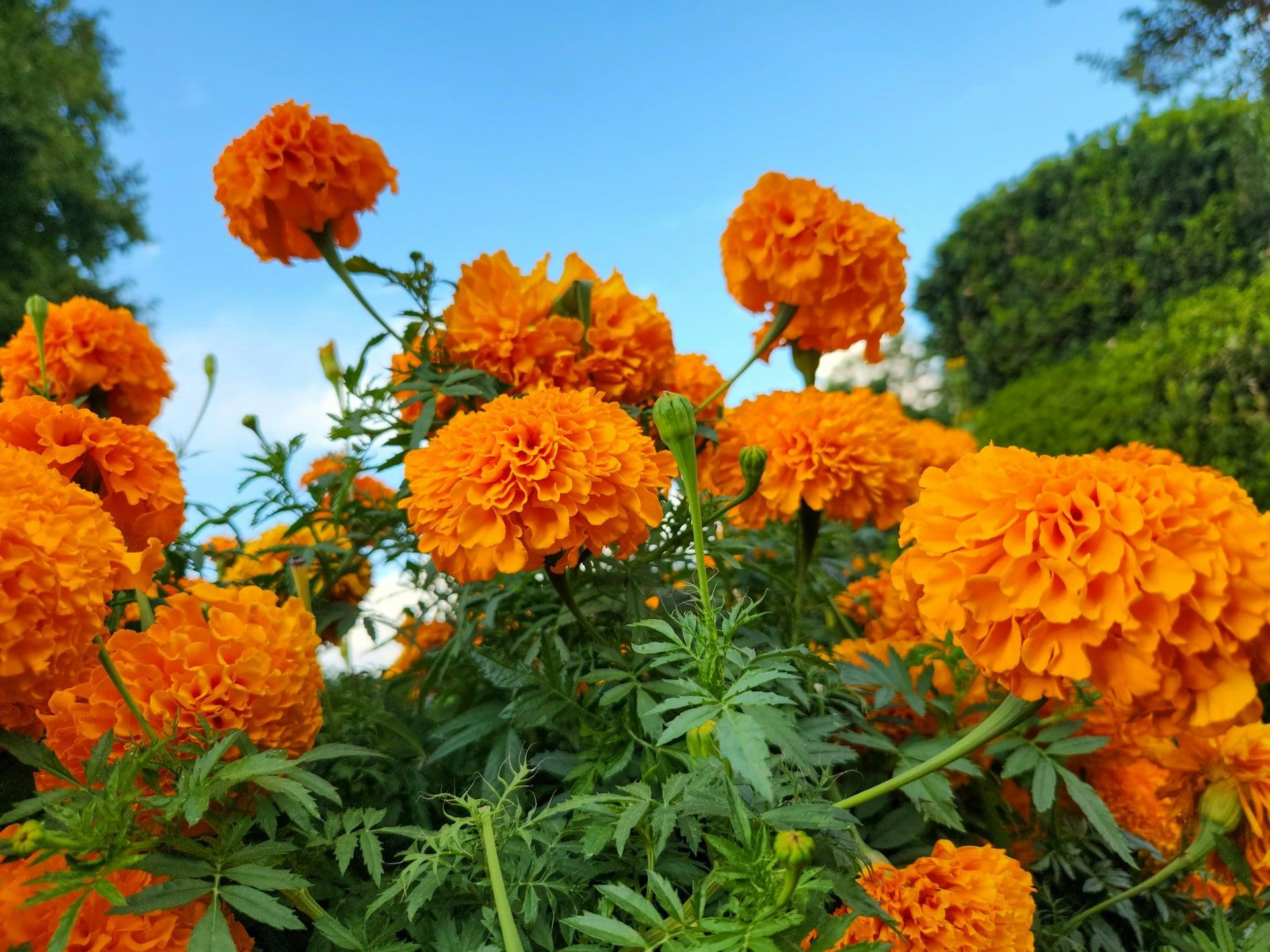
Marigold is one of the best-known pest-repelling plants, and its strong scent drives away ticks and other insects.
Plant marigolds along the edges of your garden or near your entrance for effective, everyday protection. As a bonus, their bright blooms brighten up any space — so they're as beautiful as they are useful.
Rosemary: a tasty herb and a solid shield
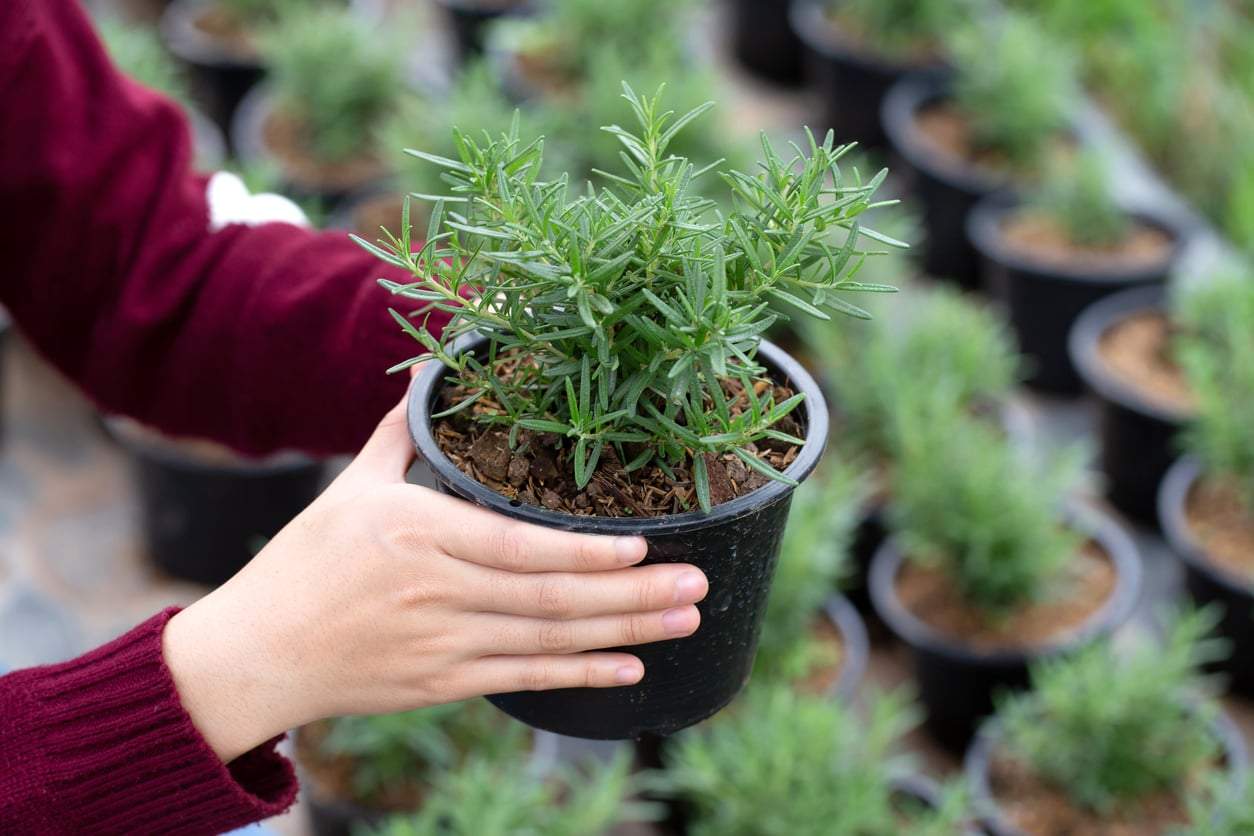
Rosemary is another plant that pulls double duty: it's a wonderful cooking herb, but planted in the garden it's also a great tick repellent.
Its essential oil strengthens its protective effect, and it makes a lovely addition to plant-based meals. This evergreen doesn't just enrich your flavors — it can be a real helper in the battle against garden pests.
If you love the idea of plants that protect and feed you at once, you'll enjoy exploring more easy herbs to grow at home.
Lemon balm: a fragrant natural barrier
Lemon balm's bright, citrusy aroma is lovely to us — but ticks can't stand it.
You can also use its leaves for herbal teas, tapping into its soothing properties to support your wellbeing from more than one angle. With lemon balm, you get natural, sweet-smelling protection for your garden, guaranteed.
Garlic: the ancient enemy of pests
Garlic has been prized for centuries for its powerful aroma that keeps pests away. Growing it doesn't just add a punch of flavor to your kitchen — it brings protection to your garden, too.
Beyond deterring ticks, it's effective against other soil-dwelling pests. Tuck garlic into vegetable patches or flower beds to build a versatile line of defense.
Chives: protecting the vegetable patch
Chives do more than season your food — they can also lend a hand in keeping insects away.
Planted around your other crops, they offer strong, natural protection, and you'll always have fresh chives on hand for the kitchen.
Purple basil: more than a culinary herb
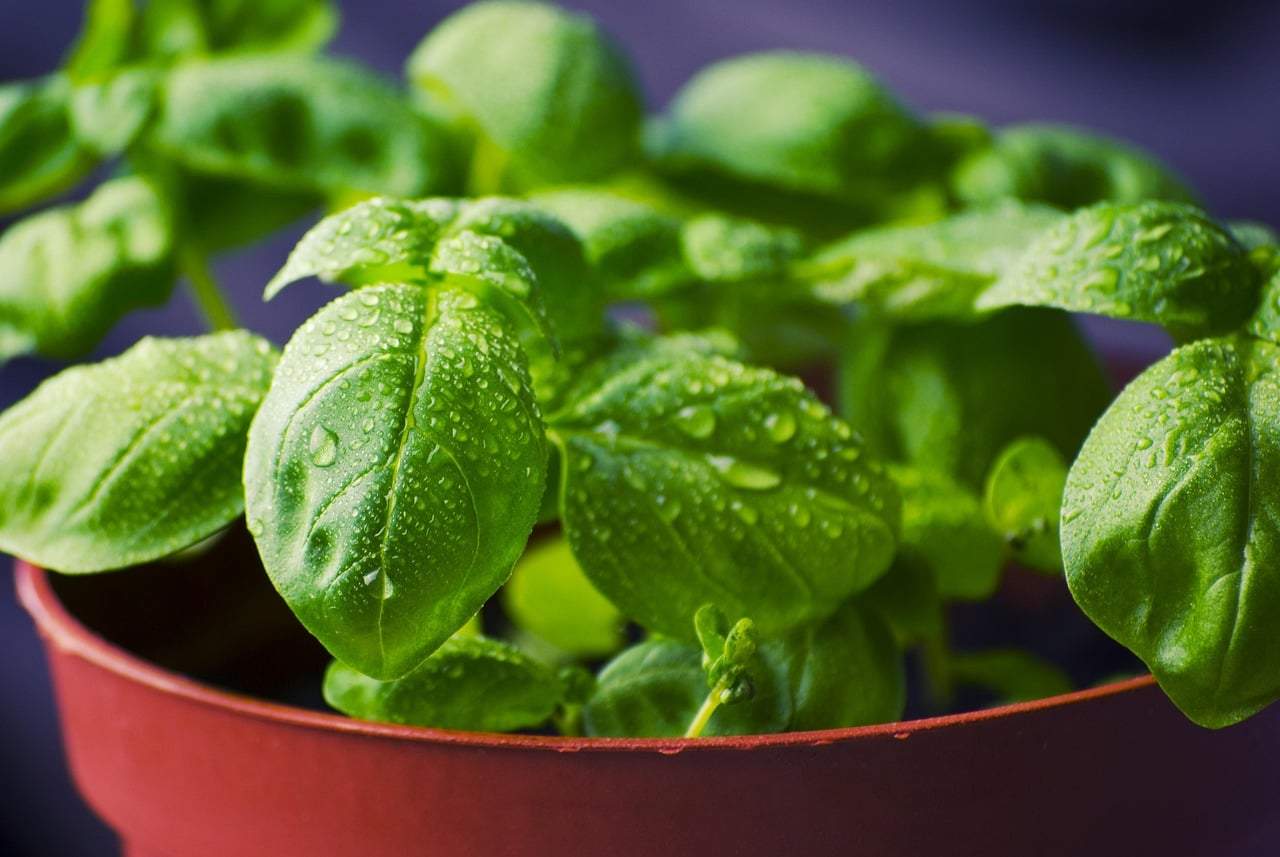
Purple basil, which belongs to the same aromatic family as rosemary and lavender, has excellent insect-repelling properties.
Its distinctive aroma flavors your dishes beautifully, and placing it in the garden helps keep ticks at a distance. For the best results, pair it with other fragrant plants to reinforce your garden's defenses.
Mosquito plant: double protection
As the name suggests, the mosquito plant keeps more than just ticks away. Its scent is especially potent after a warm day, so it's smart to plant it in the spots where your family spends the most time.
Fennel: unexpected protection
Fennel isn't only a staple of Mediterranean cooking — it also helps guard your garden. The essential oils in its roots and leaves repel ticks.
Planted on the balcony or near the patio, it offers reliable protection right where you relax.
Lemon verbena: pleasant scent, real results
Lemon verbena practically bottles the scent of summer, yet it also serves as a genuine stronghold against ticks.
Its citrusy aroma keeps pests away, and it slots easily into just about any garden arrangement.
With the right plants in the ground, you can defend against ticks naturally and effectively — no harmful chemicals required. These plants don't just protect you; they add beauty to your garden and become part of your everyday life through their flavors and fragrances.
Do these plants really keep ticks away?
Yes — many herbs and flowers release essential oils and strong scents that ticks dislike, which helps deter them. Planting several together strengthens the overall effect.
Where should I plant tick-repelling plants for the best results?
Focus on the areas where you and your family spend the most time, such as around the patio, balcony, entrance, and the edges of the garden. Placing fragrant plants near these spots creates a natural barrier.
Can I use these plants in the kitchen too?
Many of them, like rosemary, chives, purple basil, fennel, lemon balm, and garlic, are also culinary favorites. That means you get protection outdoors and fresh flavor indoors.
Are these plants a chemical-free alternative to sprays?
Yes. Choosing the right plants lets you defend against ticks without harsh chemicals, while also making your garden more beautiful and useful.