Tropical plants have a way of transforming an ordinary garden into something that feels wild, lush, and alive. The only problem? Most of them hate the cold. But here's the good news: these four exotic beauties are surprisingly frost-tolerant — and with just a little care, they'll thrive outdoors even through a harsh winter.
Bamboo — the ever-green giant
If you want instant drama in your garden, bamboo delivers. Originally from the tropical rainforests of China and Japan, it brings a sculptural, year-round presence that few plants can match. It grows fast, reaches impressive heights, and stays lush and green even when everything else looks bare.
The best part? Bamboo is one of the most frost-tolerant tropical plants you can grow, capable of handling temperatures down to -10°C (-14°F). To keep it happy, choose a sunny, wind-sheltered spot and plant it in moist but well-draining soil — waterlogged roots are its one real enemy. A little compost or specialist bamboo fertiliser a couple of times a year is all it takes to keep it thriving.
Japanese maple — a living work of art
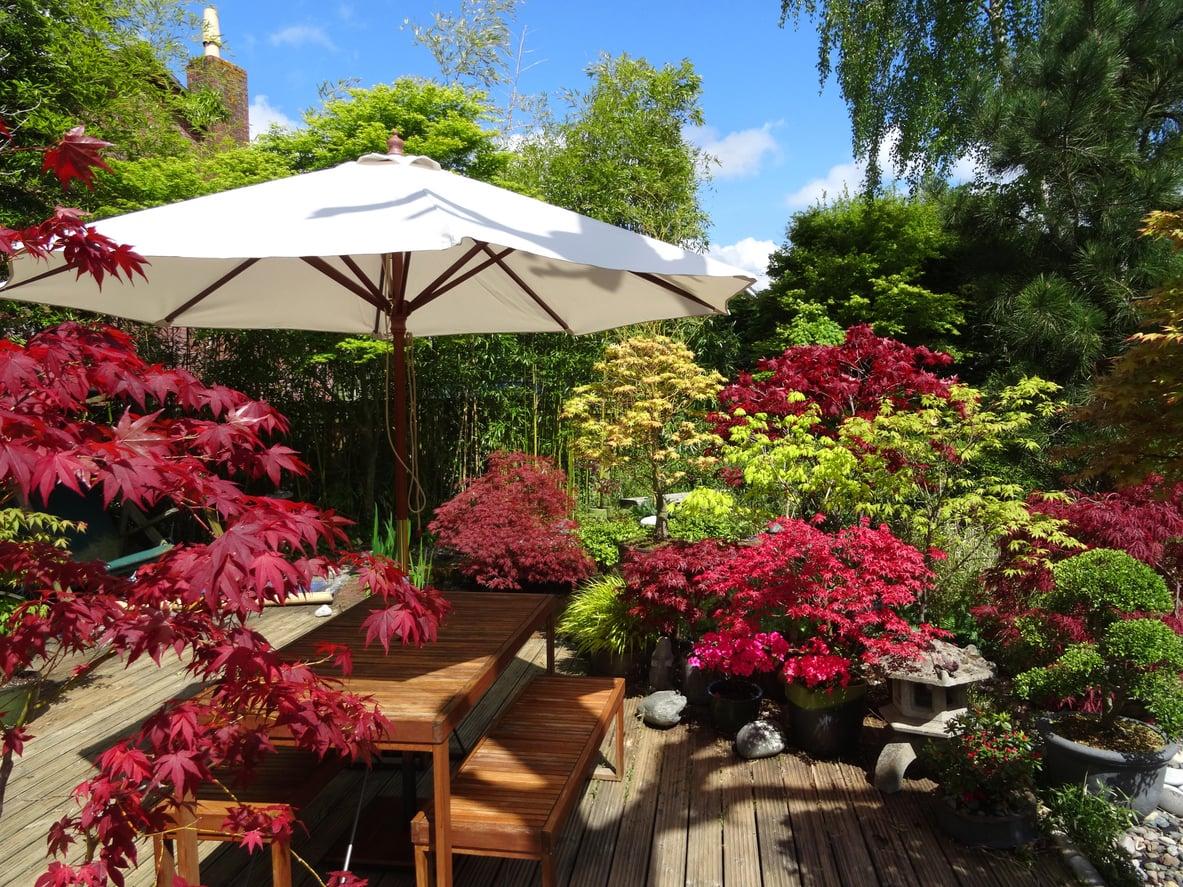
Few plants are as visually captivating as the Japanese maple. Its delicate, deeply cut leaves shift through a breathtaking range of colours — from fresh greens and burgundy reds in spring to fiery oranges and golds in autumn. It's the kind of plant that makes people stop and stare.
And despite its refined appearance, the Japanese maple is remarkably tough, tolerating frosts down to -20°C (-4°F). Plant it in a wind-protected, partially shaded spot with slightly acidic, well-draining soil. Water regularly but don't overdo it — soggy soil leads to root rot. In late autumn, once the leaves have fallen, give it a light prune to encourage a strong flush of growth come spring.
Looking for more ways to bring an exotic touch to your outdoor space? Discover which exotic plants can actually thrive in a temperate climate.
Nandina — the plant that glows in winter
Also known as heavenly bamboo, nandina is a striking shrub that earns its keep in every season — but it truly comes into its own in winter. As temperatures drop, its berries deepen to a rich, vivid red that pops brilliantly against frost and snow. It's one of those rare plants that actually looks better in the cold months.
A word of caution: while those berries are gorgeous, they are not edible, so keep that in mind if you have children or pets around. Care-wise, nandina is wonderfully low-maintenance. Give it a sunny to lightly shaded spot, well-draining humus-rich soil, and regular watering during dry spells. It handles light pruning well and can withstand frosts down to -15°C (5°F) — making it a reliable choice for year-round garden interest.
Camellia — the queen of winter blooms
There's something almost magical about a camellia in full bloom. Its glossy, dark green leaves and perfectly formed flowers — in shades of white, pink, and deep red — look like they belong in a botanical painting. Originally from Southeast Asia, it has long been a favourite for gardens and containers alike.
What makes camellia especially special is its blooming season: late autumn through early spring, when most other plants are dormant. To get the best from it, plant it in acidic, well-draining soil in a sheltered spot that catches gentle morning sun. Water consistently through summer, but avoid letting water sit around the roots. With a little winter mulching for added protection, camellia can handle temperatures as low as -10°C (14°F) — and reward you with a stunning floral display just when the garden needs it most.
These four frost-hardy tropical plants prove that you don't have to choose between exotic beauty and practicality. With the right spot and a little seasonal care, they'll keep your garden looking extraordinary — and give you plenty to admire long after the last summer blooms have faded.