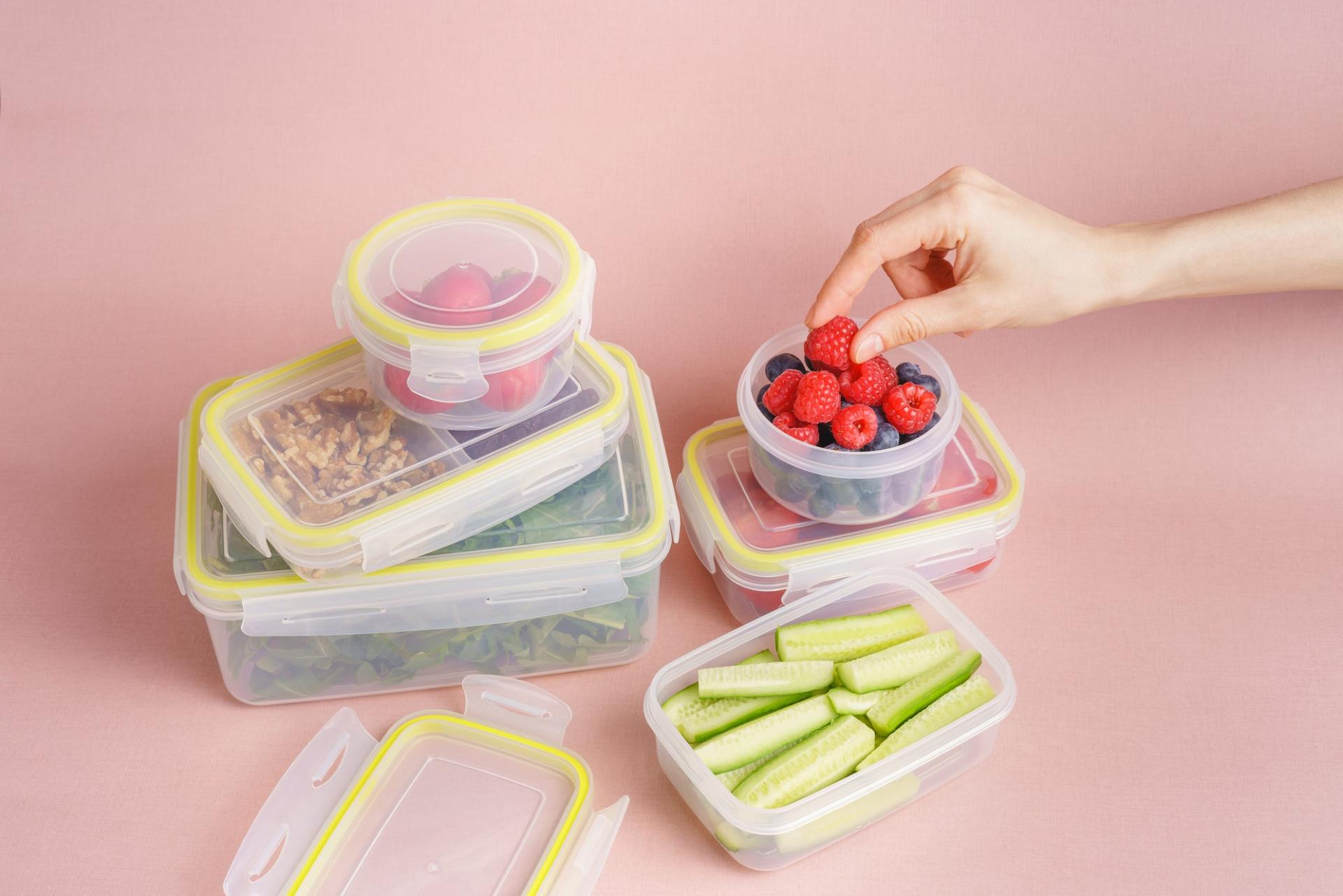
With insights from Southern Living experts, it’s clear that storing certain foods and items in plastic containers can harm flavors and smells—and might even pose health risks. Let’s explore exactly which ones to avoid and the best alternatives so you can make smarter choices!
1. Raw Meats
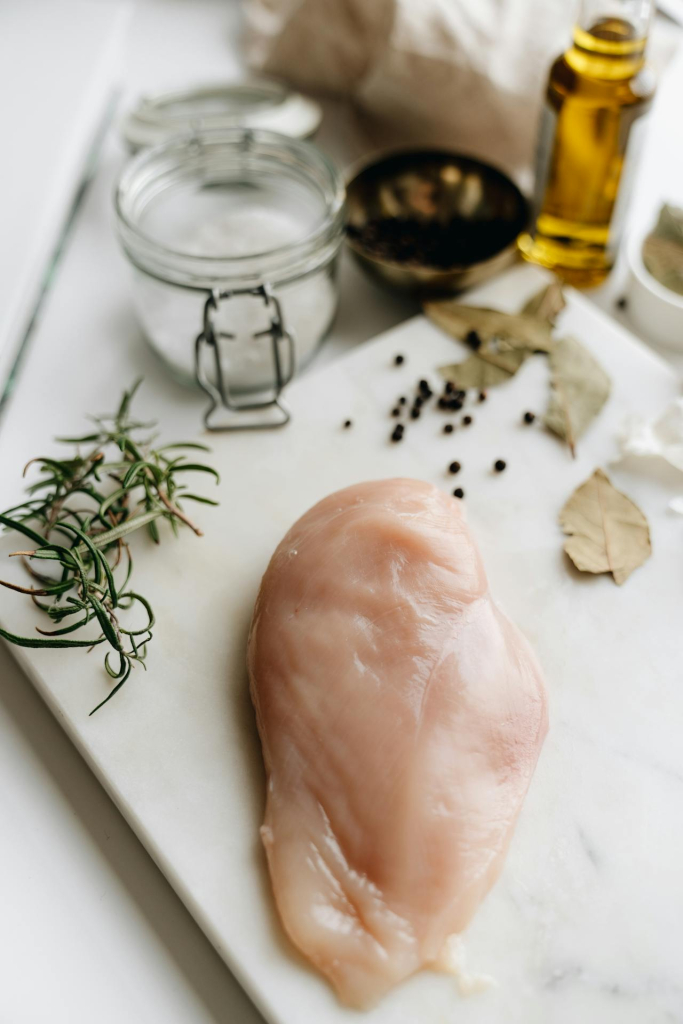
“Honestly, I don’t feel safe storing raw meats in plastic containers due to the risk of cross-contamination,” warns Aaron Taub, lead organizer at My Professional Organizer in Dallas. The best bet? Airtight glass containers, since open or flimsy lids can leak—especially dangerous with raw meat.
2. Tomato Sauces and Curries
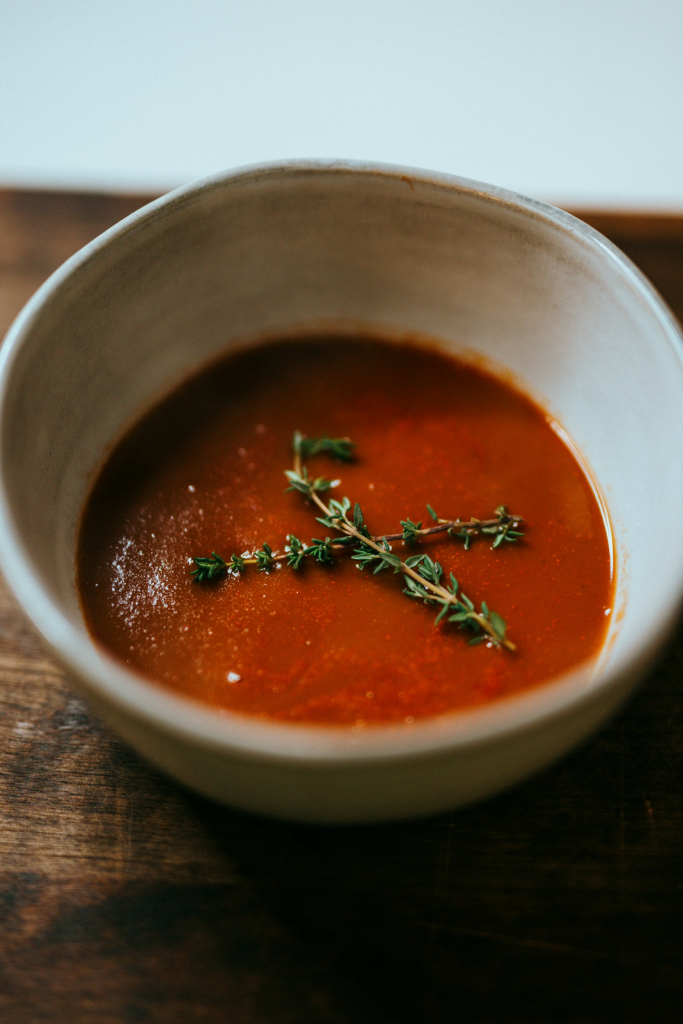
Got a plastic container that’s permanently stained orange? That’s no accident. “The acidity in tomato sauces can damage plastic over time, causing discoloration and lingering odors,” explains Grace Vallo, food blogger at Tastefully Grace. Becky Hardin, founder of The Cookie Rookie, adds, “Acidic foods can chemically react with plastic, potentially releasing harmful substances.”
3. Garlic, Onions, Certain Cheeses & Fresh Herbs
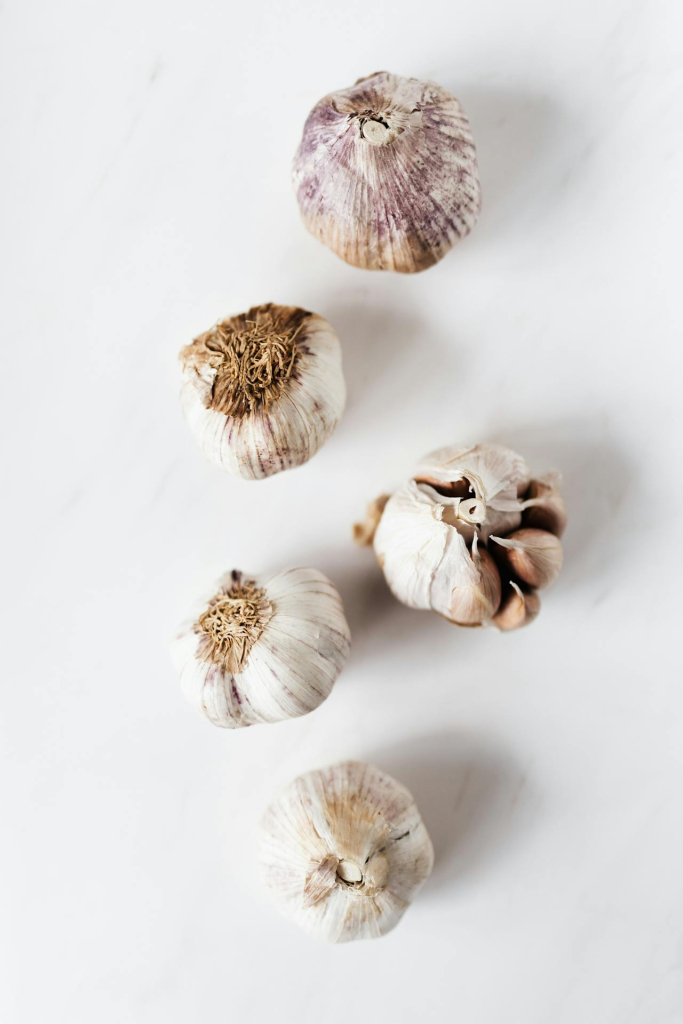
Keep these out of plastic unless you want your fridge to smell funky for weeks. Hardin says strong-smelling foods like onions, garlic, and some cheeses can seep through plastic, leaving lasting odors that ruin the taste and smell of whatever you store next.
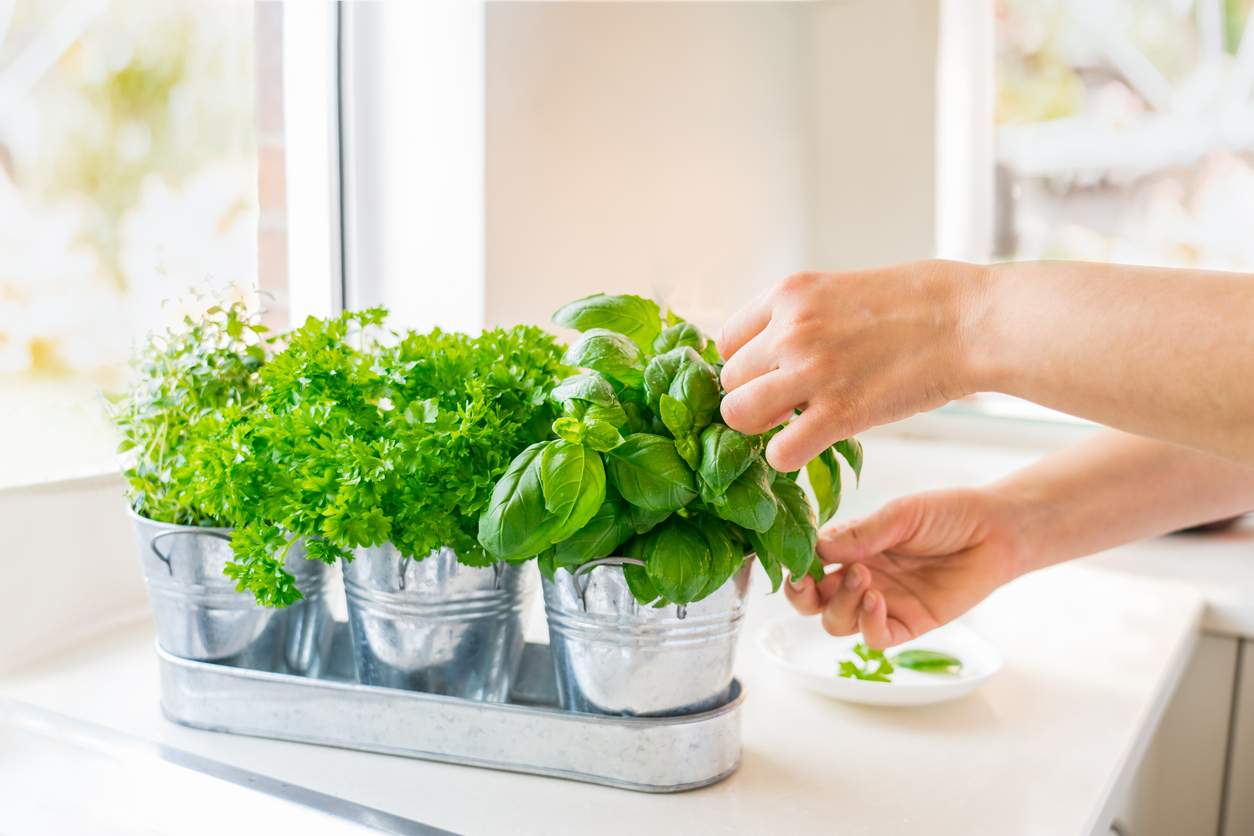
Fresh herbs are a different story. Vallo points out, “Plastic containers don’t provide enough airflow, so herbs wilt quickly and lose their flavor.”
4. Fruits
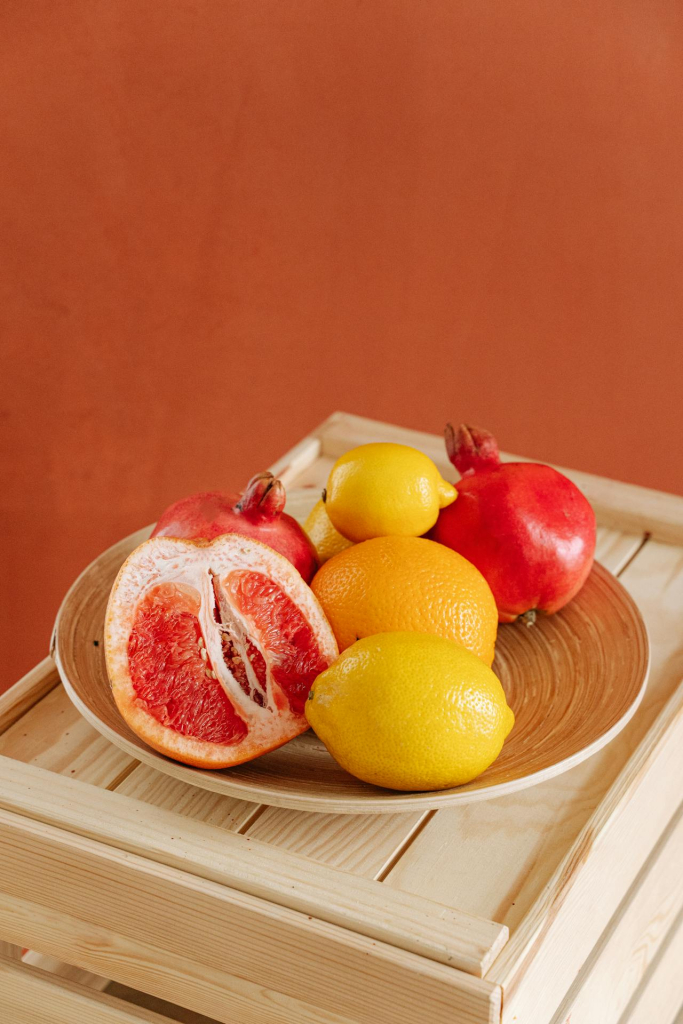
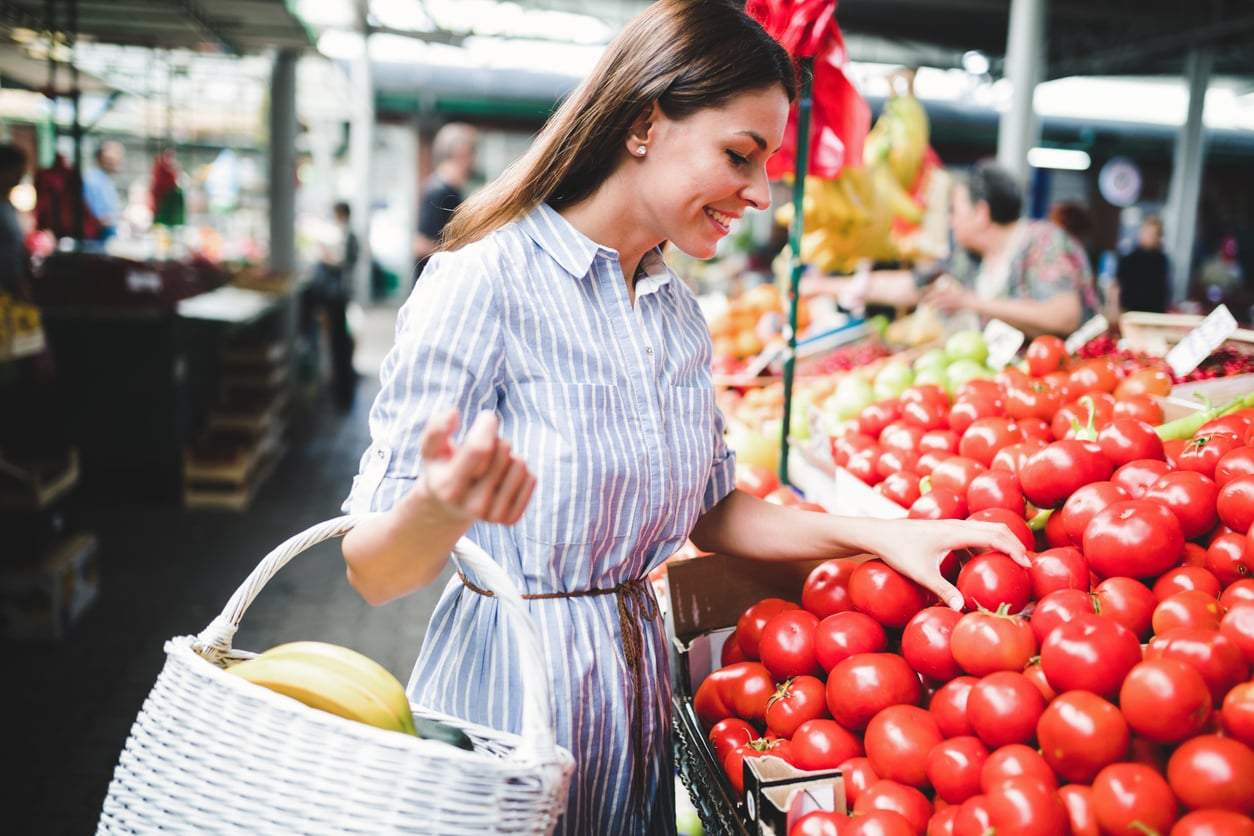
Berries, avocados, citrus fruits? Don’t store them in plastic! “I’m a big fruit lover, and I’ve noticed berries and avocados spoil faster in plastic than in glass,” says Taub. Vallo adds, “Without airflow, fruits can mold, soften, or even get slimy.”
5. Hot Foods
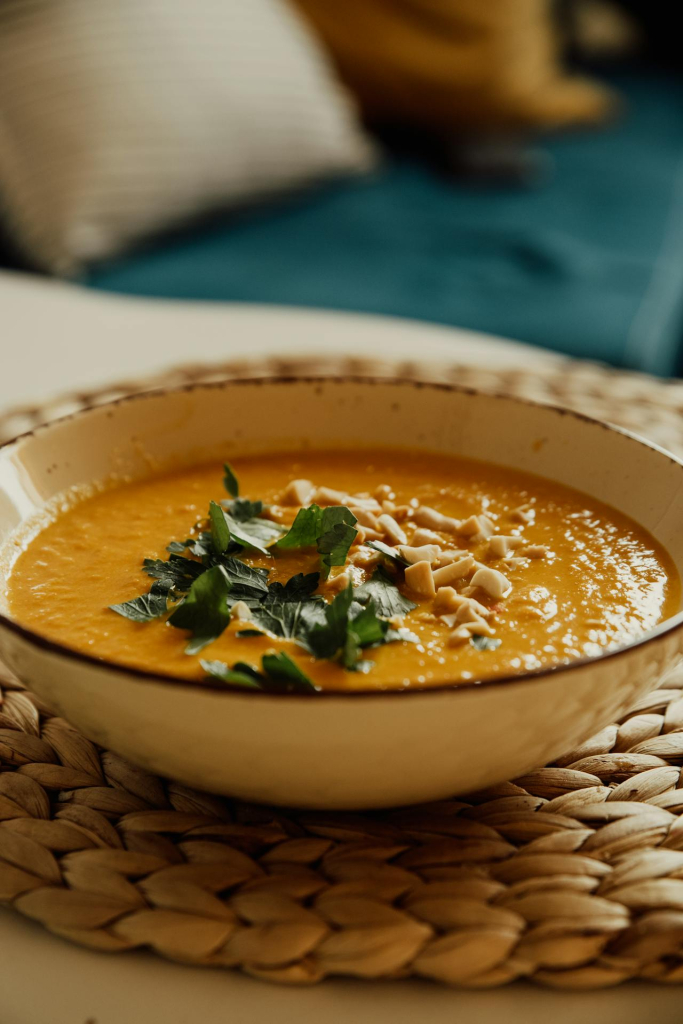
Here’s a golden rule: never put hot soup or stew into plastic containers! “Heat can cause plastic to release harmful chemicals,” warns Hardin. “Always wait for food to cool before transferring it to plastic.”
6. Greasy, Oily Foods
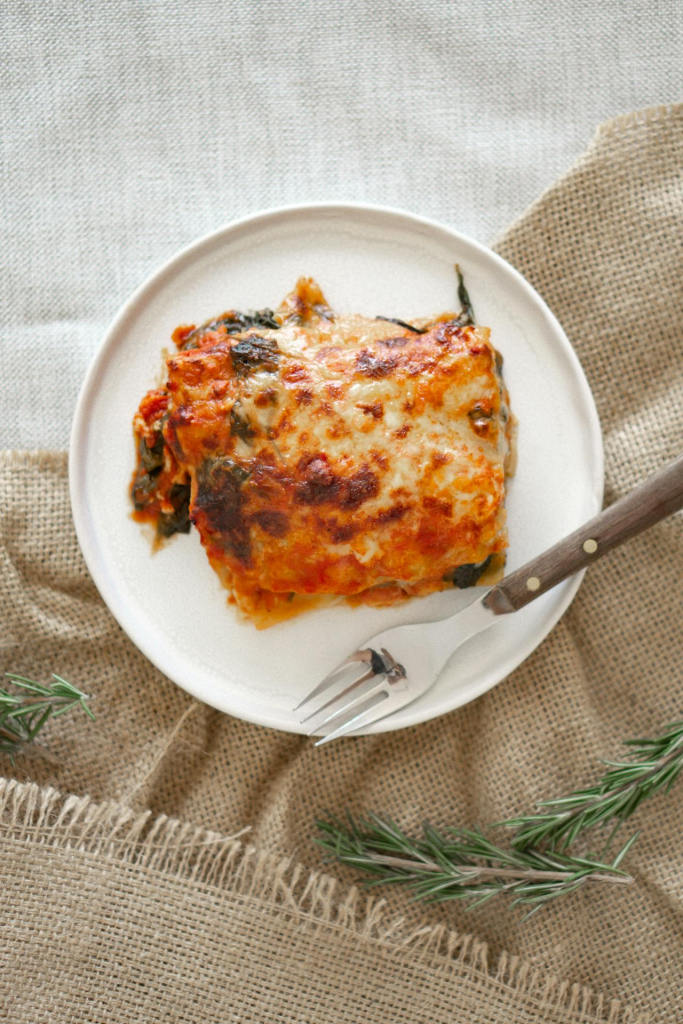
Lasagna, stew, or any greasy dish? Skip the plastic. “Fatty foods break down plastic over time, contaminating the food inside,” explains Hardin. “High-fat dishes like lasagna are especially prone to absorbing chemicals from plastic.”
7. Books
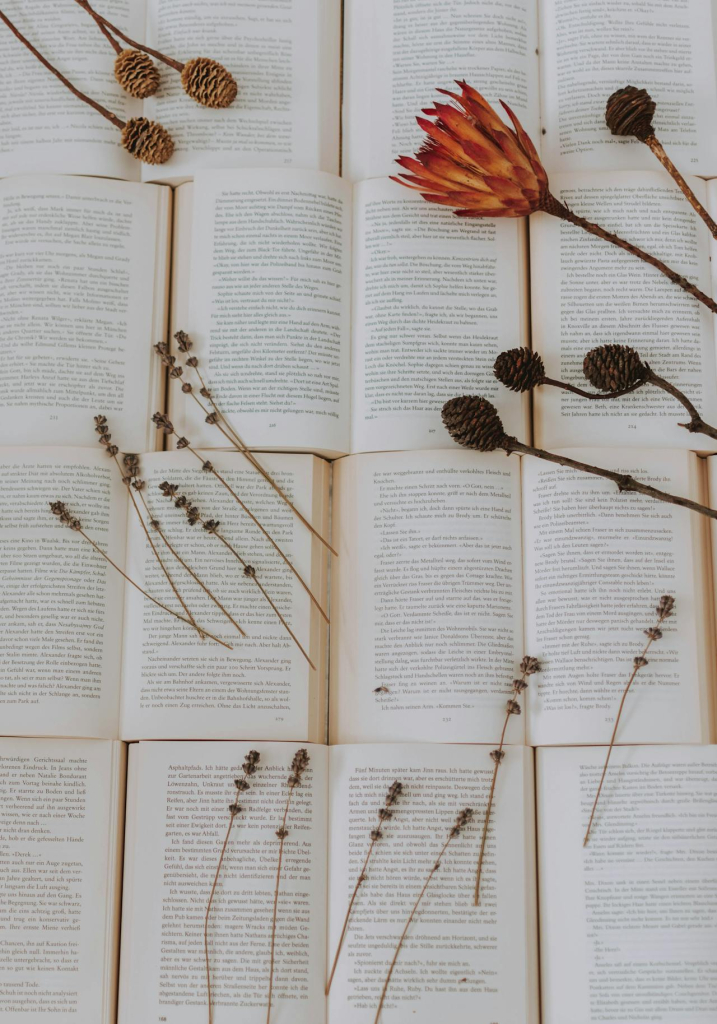
Storing books in a big plastic box? Not the best idea. “In the South, I often see clients keep books in plastic bins in garages,” says Taub. “But trapped moisture can warp pages or cause mold.”
8. Leather Goods
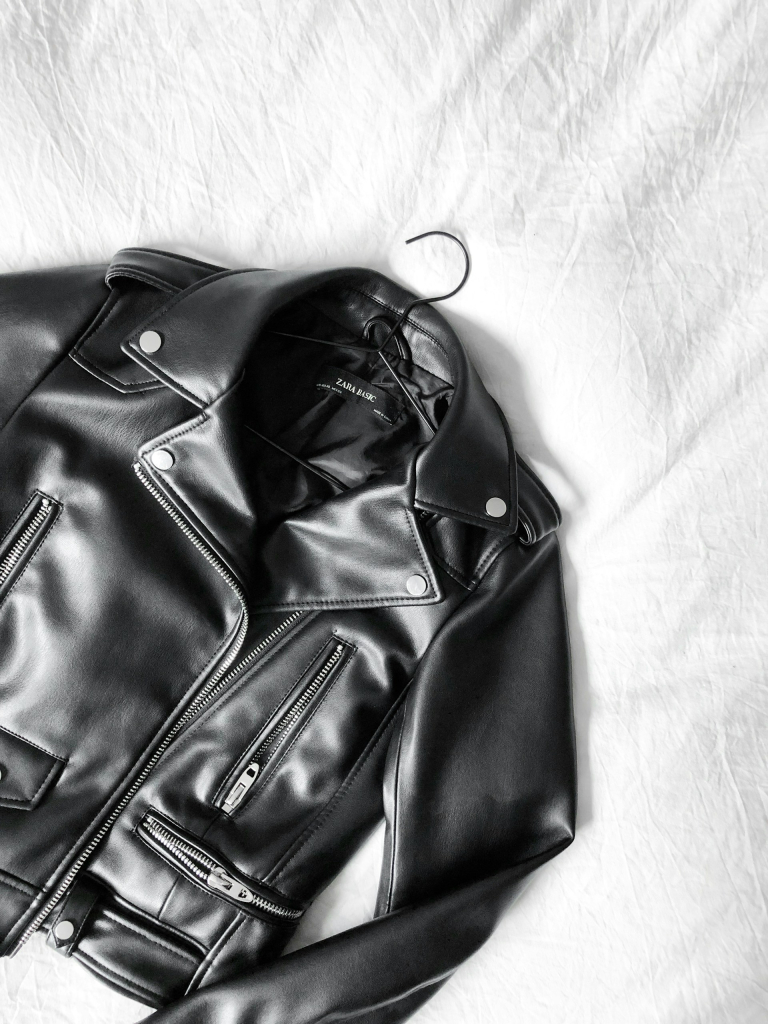
Leather jackets, bags, boots? They don’t love plastic either. “You can store leather in plastic only if it’s in a cool, dry place,” advises Taub. “Moisture inside the container can cause mold or cracking. I always recommend using silica gel packets too.”
9. Photos
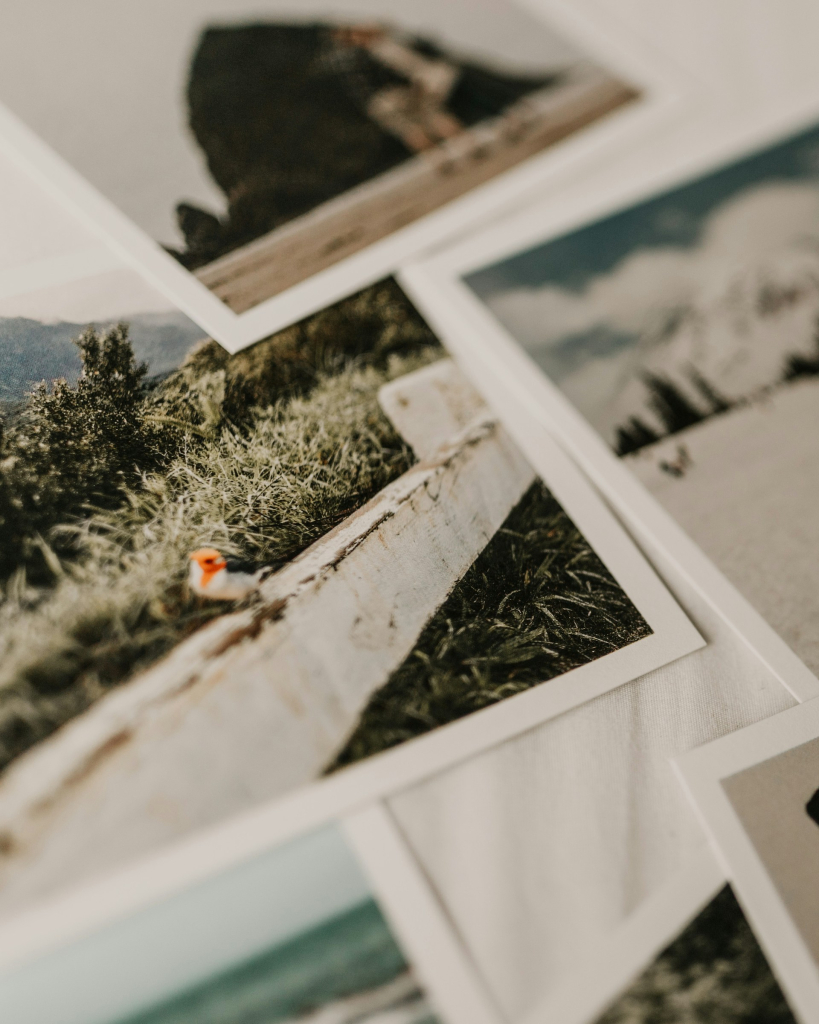
Precious memories and family photos? Don’t risk it! “Plastic containers can trap heat and moisture, damaging photos by sticking them together or fading them,” warns Taub. “It’s best to use boxes designed specifically for photo storage.”
10. Candles
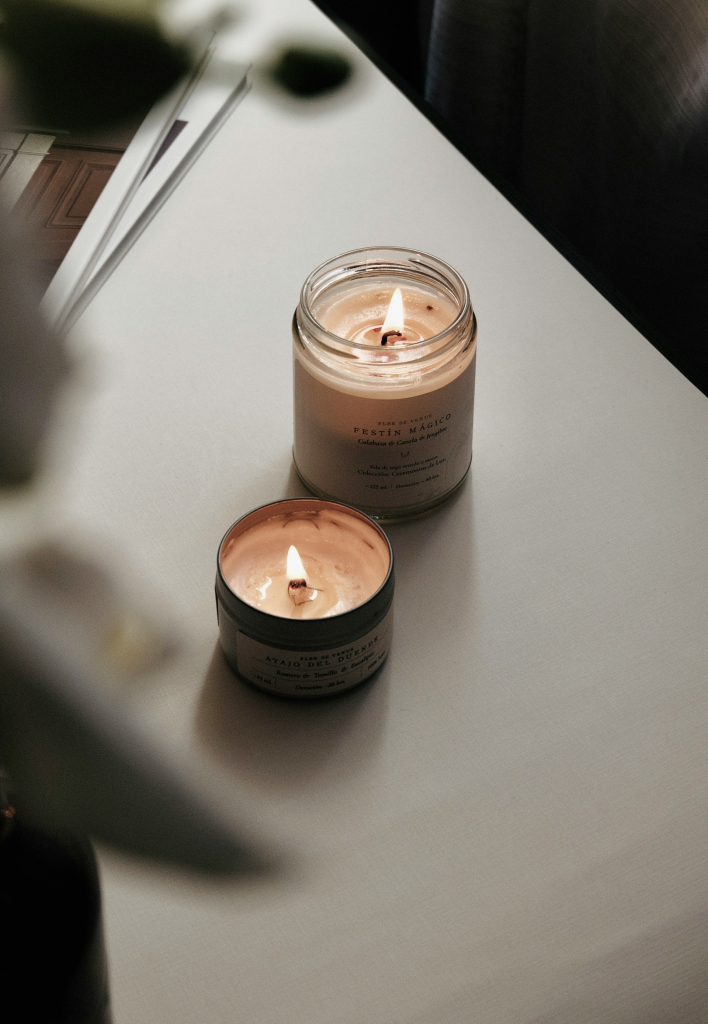
“Candles can be stored in plastic if kept in a cool, dry place,” says Taub. “But if exposed to sunlight or heat, the wax can soften or melt. That’s happened to me and ruined some candles.”
What’s the Best Alternative to Plastic?
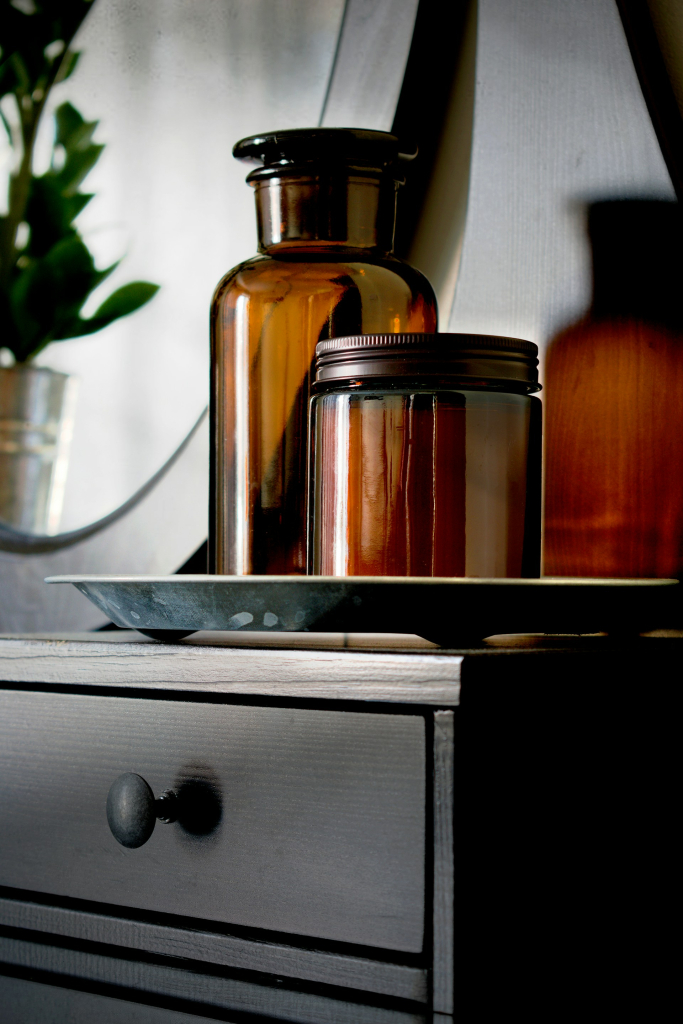
Experts agree: glass is the way to go. “Glass is safe for most foods, doesn’t react with them, won’t stain, and works well for hot or cold items,” highlights Vallo. Silicone bags are also a great eco-friendly, reusable, and easy-to-clean option.
All in all, if you want to keep your food tasting fresh, your belongings in great shape, and protect your health, it might be time to rethink plastic containers. A little awareness goes a long way—not just for you, but for our planet too.