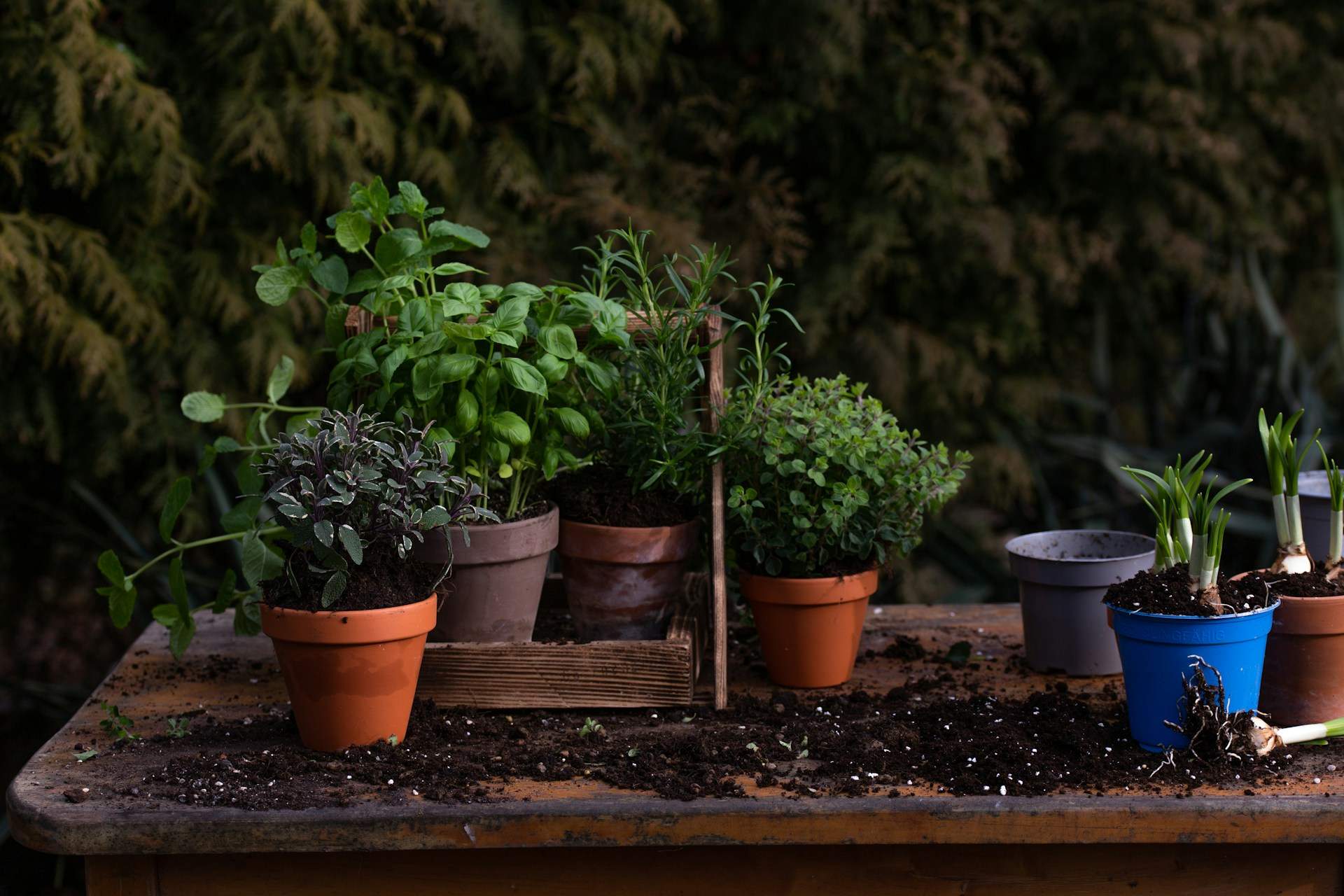
Spring is the season for fresh, fragrant herbs: basil, parsley, mint, or rosemary – each one breathes new life into your dishes. But here’s the annoying part: they often wilt, brown, or turn slimy within days. Sound familiar?
The good news? It doesn’t have to be this way. Based on thorough tests by Serious Eats, you can keep your herbs fresh for weeks. Here’s exactly what you need to do.
Why Do Herbs Wilt So Quickly?
Herbs are delicate "living systems" that lose freshness due to several factors:
- Too much light → yellowing.
- Too much air → browning, oxidation.
- Too much moisture → sliminess, mold.
- Too little moisture → drying out, loss of flavor.
- Improper temperature → rapid spoilage.
The key is balance: a little moisture, moderate air, low light, and proper cooling.
The Basic Step Many Skip: Washing
Many think washing harms herbs, but it actually helps.
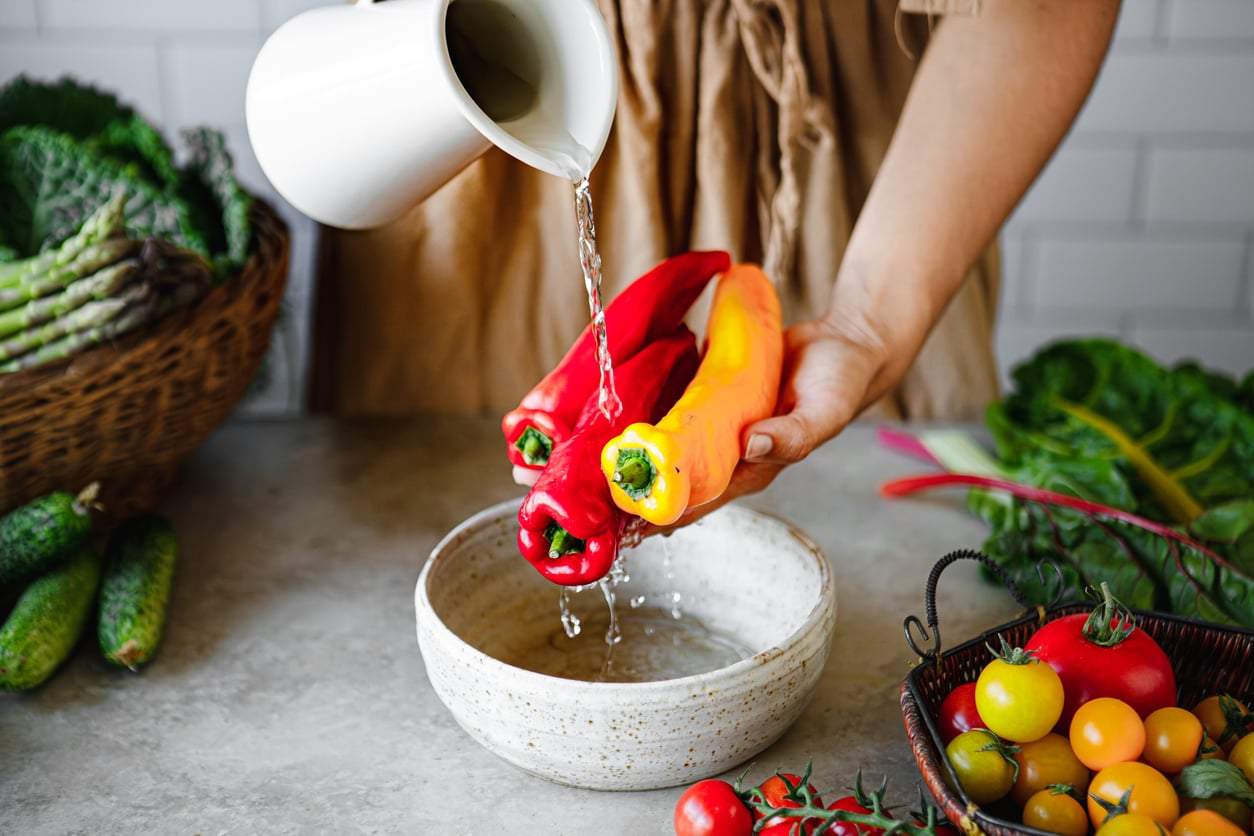
Store-bought herbs are usually kept moist but can be full of dirt and bacteria that speed up spoilage. A gentle rinse with cold water removes these.
How to do it: place herbs in cold water, gently swish, then dry with a salad spinner or paper towel.
This simple step can extend freshness by days.
Not All Herbs Are the Same: How to Store Them by Type
1. Soft-Stemmed Herbs (e.g. parsley, coriander, dill, mint)
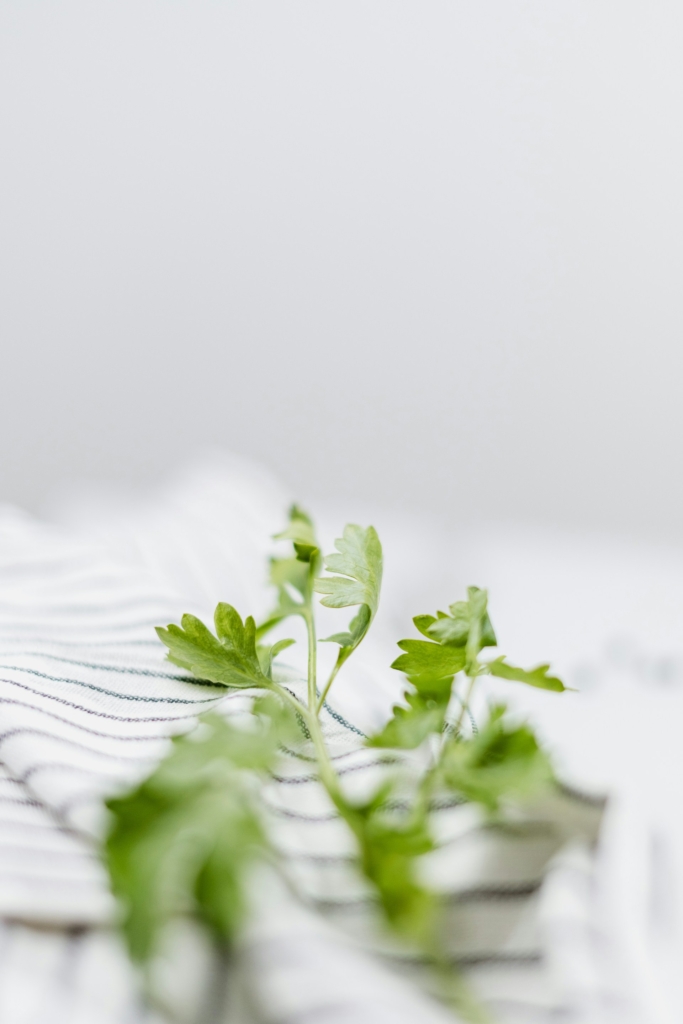
These are the most delicate, so treat them like fresh flowers.
Best method:
- Trim the ends of the stems.
- Place in a glass with 2-3 cm (about 1 inch) of water.
- Loosely cover (e.g. with a plastic bag).
- Store in the fridge.
This keeps them fresh for up to 2-3 weeks.
2. Hard-Stemmed Herbs (e.g. rosemary, thyme, sage)
These are tougher but dry out easily.
Best method:
- Wrap in a slightly damp paper towel.
- Place in a sealable plastic bag.
- Store in the fridge.
This helps retain moisture without encouraging mold.

3. The Exception: Basil
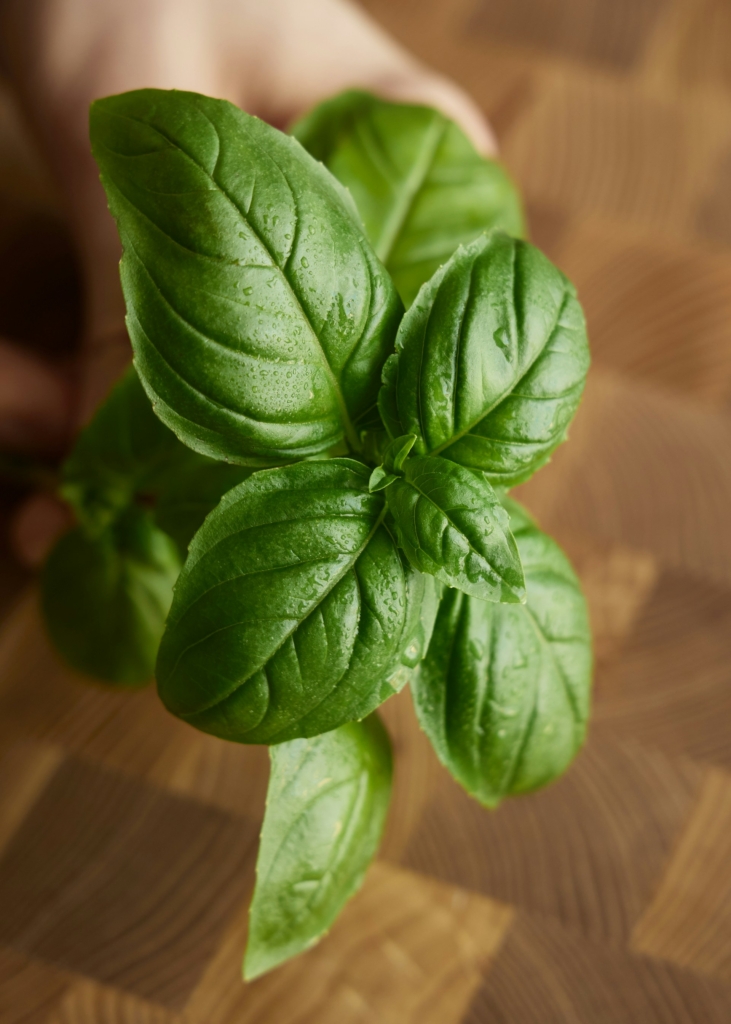
Basil is a special case – it doesn’t like the cold.
Keep it fresh by:
- Trimming the stem ends.
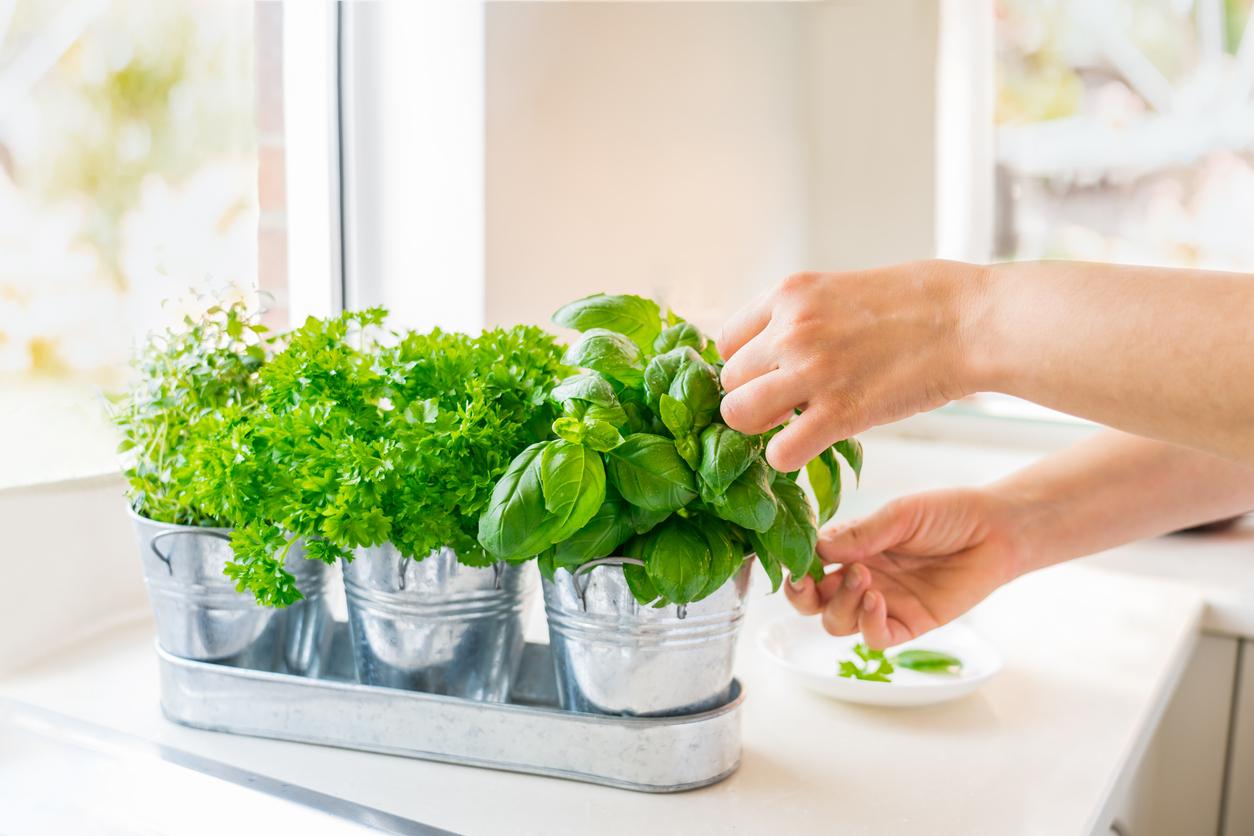
- Placing it in water like a bouquet.
- Keeping it at room temperature in a bright spot.
- Avoiding direct sunlight.
It will brown quickly in the fridge!
The Most Common Mistake: The Store Bag
If you just put herbs in the fridge in the plastic bag they came in, failure is almost guaranteed:
- They get soggy within days,
- turn slimy,
- and spoil quickly.
This is the worst way to store herbs – it’s best to transfer them immediately.
Extra Tip: Airtight Container = Longer Life
If you’re tired of your "herb bouquet" tipping over in the fridge, try this:
- Put the herbs in a seal-able plastic or glass container,
- Add a little water at the bottom,
- Fold the leaves over,
- Seal the container.
This keeps them upright and fresh even longer.
If You Have Too Many Herbs
It’s easy to go overboard at the market in spring, but no worries.
Try these preservation methods to make your herbs last:
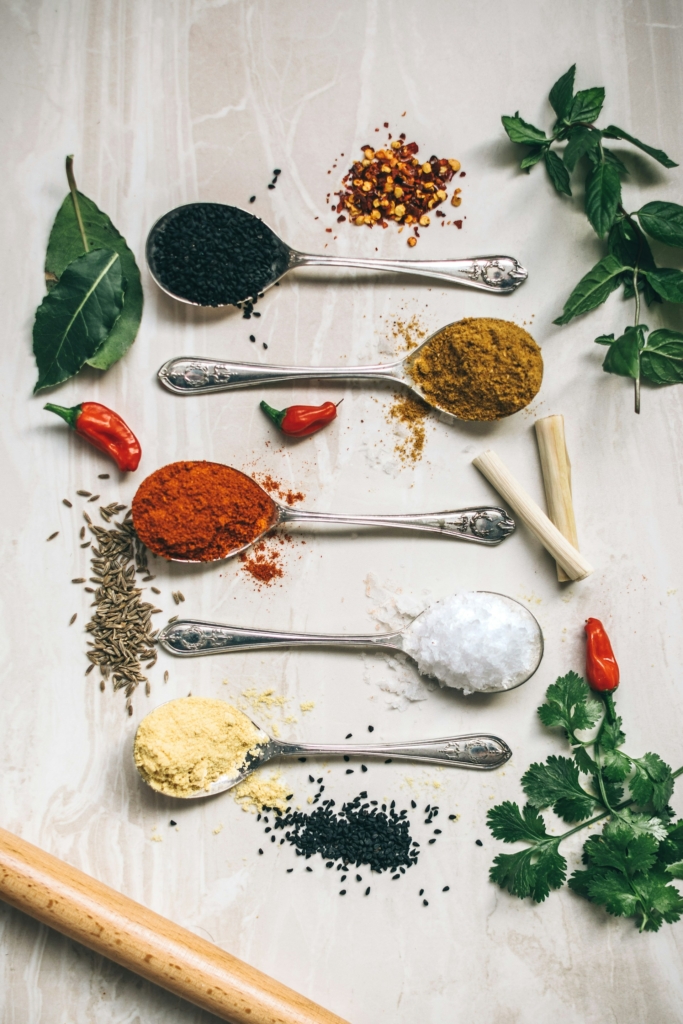
- Drying: intensifies flavor, perfect for soups and marinades.
- Freezing: ideal for sauces and pesto, almost as good as fresh when cooking.
Always Remember
- Always wash and dry your herbs.
- Don’t keep them in store packaging.
- Soft-stemmed herbs → water, fridge.
- Hard-stemmed herbs → damp paper towel.
- Basil → room temperature.
Spring Inspiration for Your Kitchen
Fresh herbs don’t just make your meals tastier—they add a healthy boost too. A well-stored bunch of parsley or basil can inspire your cooking for days, even weeks.
Once you try these methods, you’ll likely say goodbye to wilted herbs forgotten in the fridge.