Is your garden shed overflowing, and you can’t even find what’s inside? It’s easy to stash things there that really don’t belong. But which items should you definitely keep out? Southern Living teamed up with professional organizers to find out what’s smarter to store elsewhere.
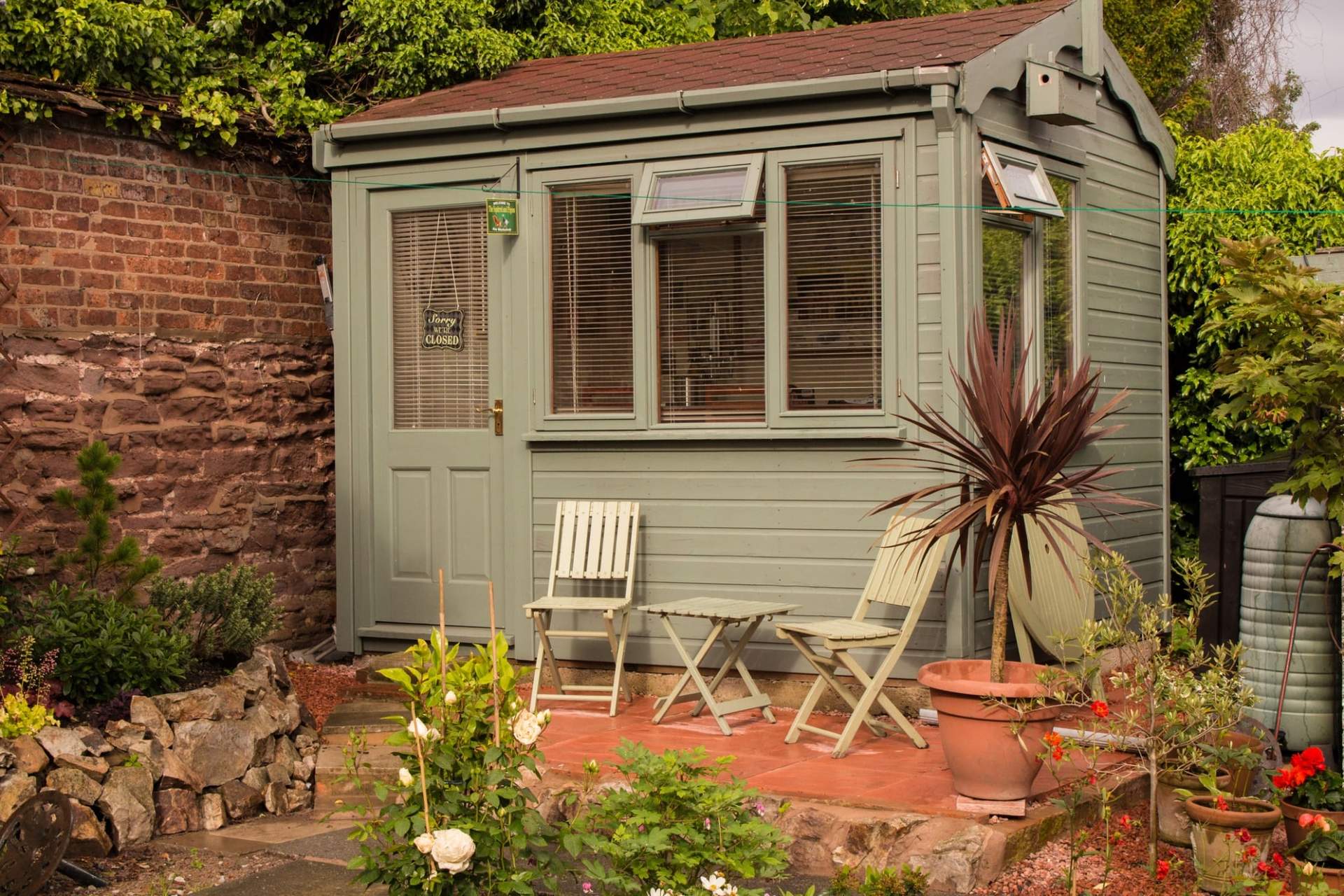
The garden shed feels like a great spot for all kinds of stuff: plenty of space, out of the way, and if you don’t need something right away, it seems like a safe place for a while. But most sheds aren’t heated, aren’t moisture-controlled, and are easy targets for little intruders like mice and bugs.
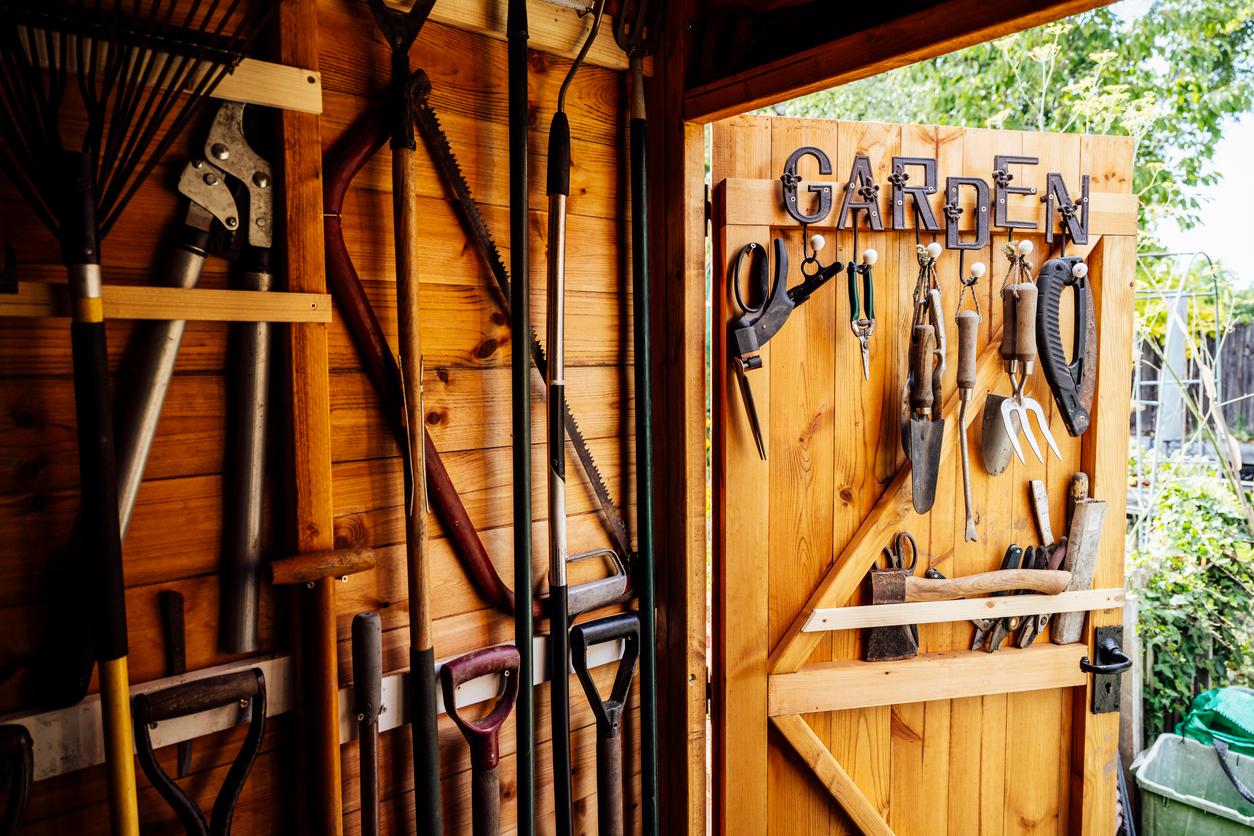
“A shed is for things you actually use outside: garden tools, outdoor decorations, or your outdoor holiday lights,” says Perri Kersh, founder of Neat Freak™ Professional Organizing.
So, let’s see what you should never store in your garden shed.
1. Clothes and Textiles
Off-season clothes, old bedding, or grandma’s tablecloths don’t belong in the shed. Damp air can quickly cause mold, and rodents or insects might make themselves at home.
“If these hold sentimental value, definitely keep them in a dry, cool, and clean indoor spot,” advises Rachel Gitzen from Rah and Co.
2. Food
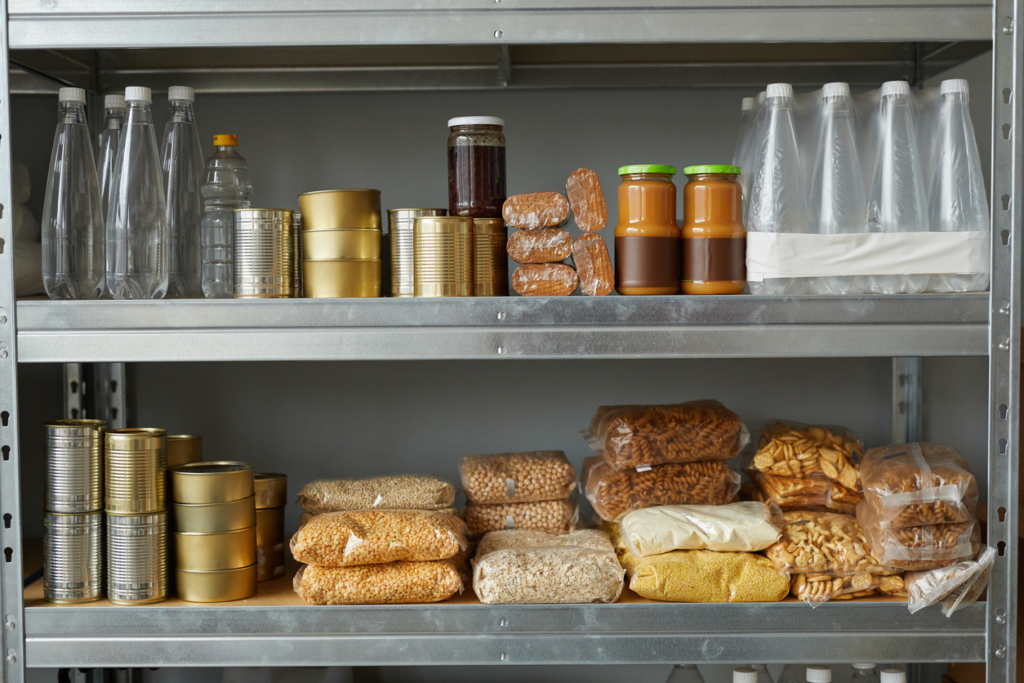
Even if your pantry is tight on space, don’t store canned goods or pet food in the shed! Temperature swings can damage cans, heat can spoil food, and pests will sniff out the stash immediately. The same goes for birdseed—keep it indoors in a sealed container.
3. Important Documents
IDs, contracts, bills, keepsakes—storing these in the shed risks damage from weather or theft.
“Plus, it’s just not practical. Who wants to dig through a cramped, dusty shed for photo albums?” asks professional organizer Stephanie Worinkeng.
4. Books
Surprisingly, books are very sensitive to moisture. Pages can stick together, mold can grow, or worse—bugs might nest inside. If these books matter to you, keep them indoors.
5. Toys
Maybe you want to save outgrown toys for the next generation, but leaving them in the shed can ruin them. Plastic becomes brittle, and dolls or stuffed animals can fall victim to mold and rodents.
6. Electronics
Old laptops, DVD players, extension cords? No way! Mice love chewing wires, and the shed is their playground. If you’re not using these devices, pass them on—they might be just right for someone else!
7. Empty Plastic Containers and Boxes
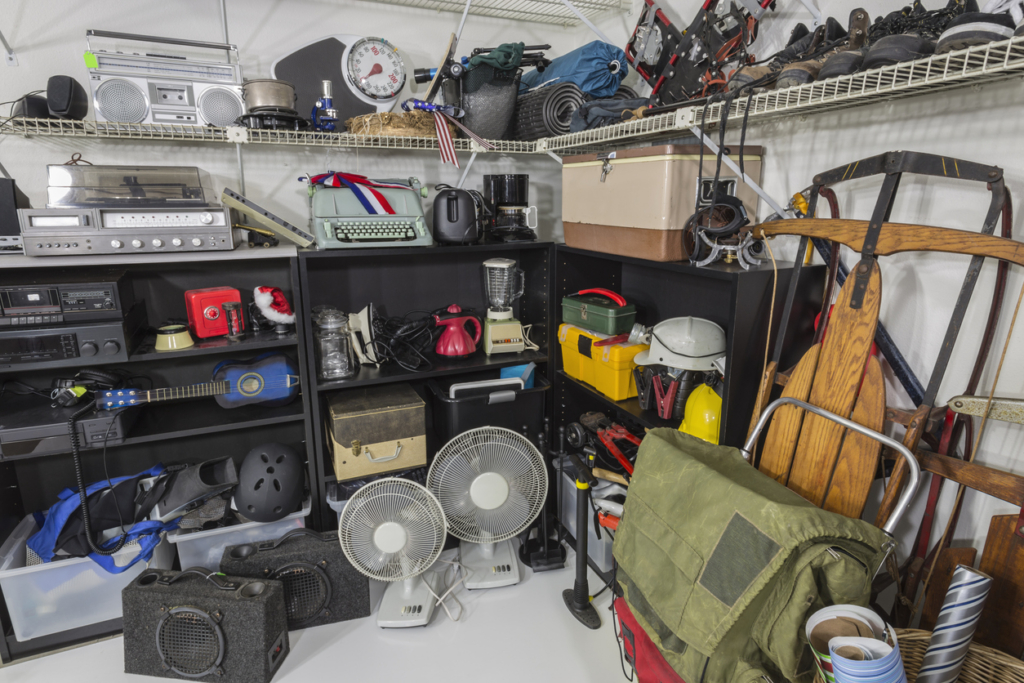
“This might come in handy someday”—sound familiar? Extra storage containers just take up space. If you haven’t used them in years, it’s time to say goodbye. Avoid keeping cardboard boxes—they attract bugs! Instead, choose clear, sealable plastic bins. They’re more practical and easier to keep clean.
8. Summer Gear
Sunscreen, beach balls, inflatable mattresses, foldable fabric chairs—all tempting to toss in the shed at summer’s end, but this can shorten their lifespan. Heat, humidity, and bugs can all cause damage.
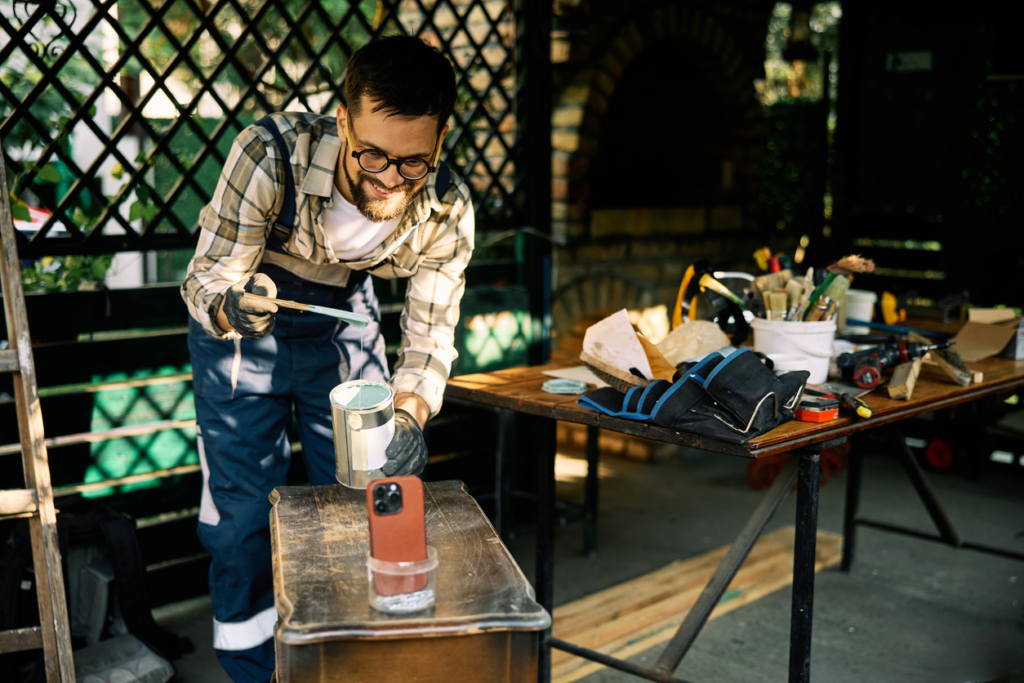
9. Paint
Most backyards have dusty, unused paint cans that are often ruined.
“Heat almost guarantees paint damage,” says organizer Mysti Byrnes.
If you don’t need a paint can anymore, pass it on or dispose of it responsibly.
10. DIY Waste
Did the previous owner leave half a fence, some leftover tiles, and three boxes of broken roof tiles? If they don’t fit anywhere around your home and you have no plans for them, there’s no need to keep them. Remember: a shed isn’t a storage dump—it’s a functional space.
+ Tip: Reorganize Your Shed Seasonally!
Fall cleaning is the perfect time to rethink what you really need and what you’re just holding onto out of habit. A clear, organized shed isn’t just practical—it feels freeing.