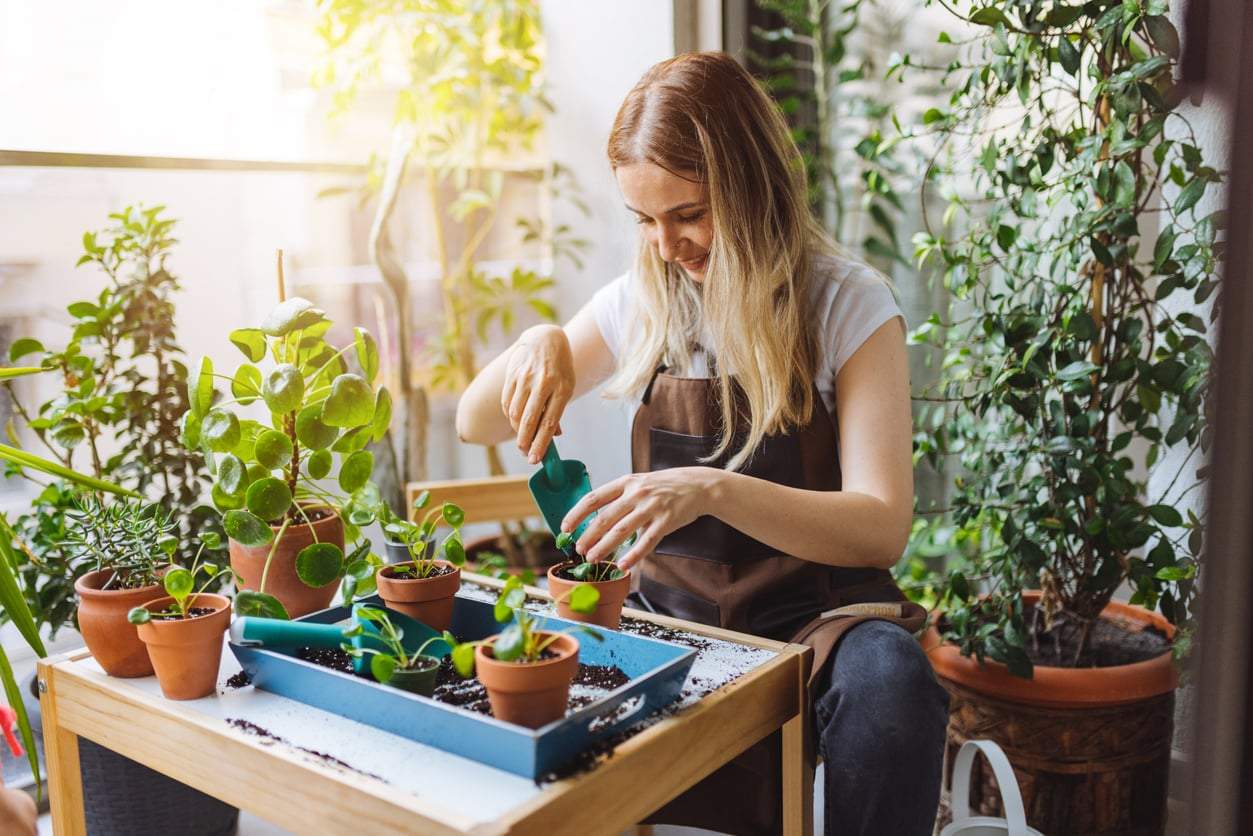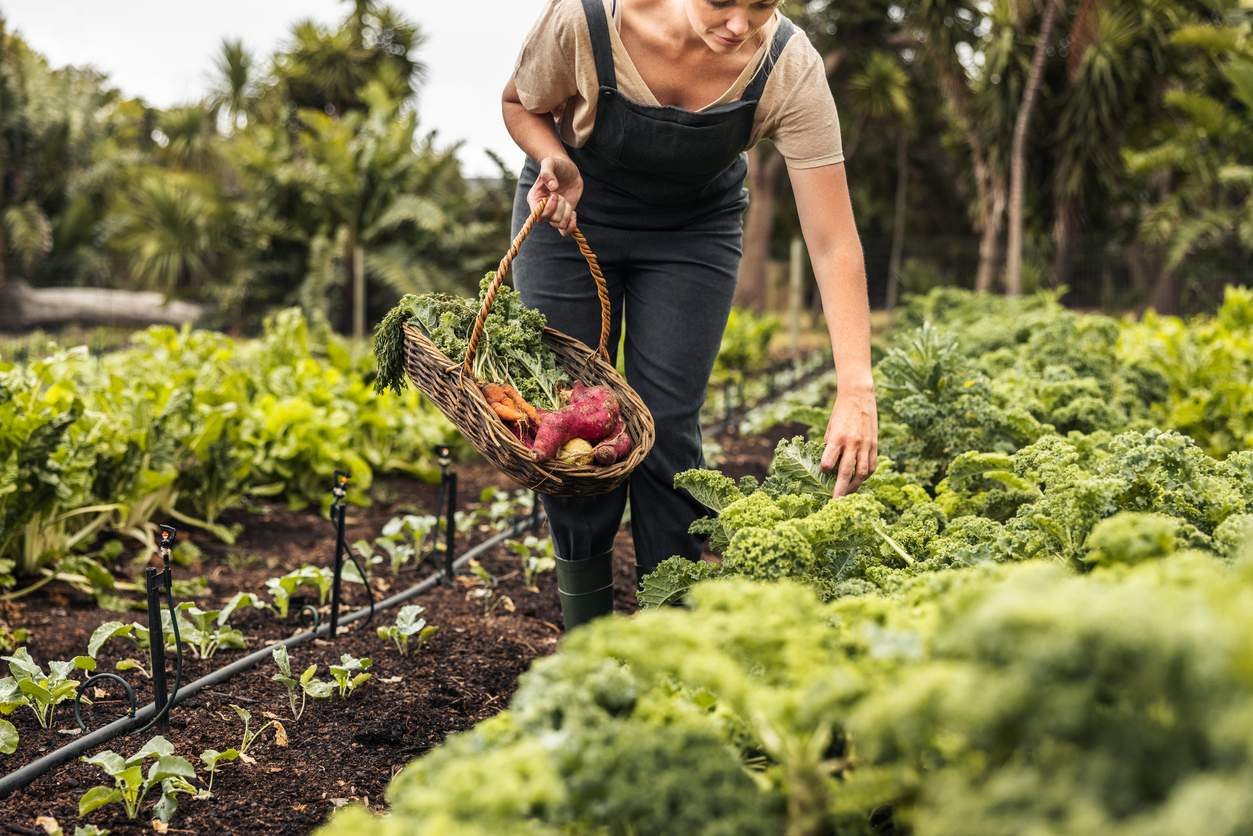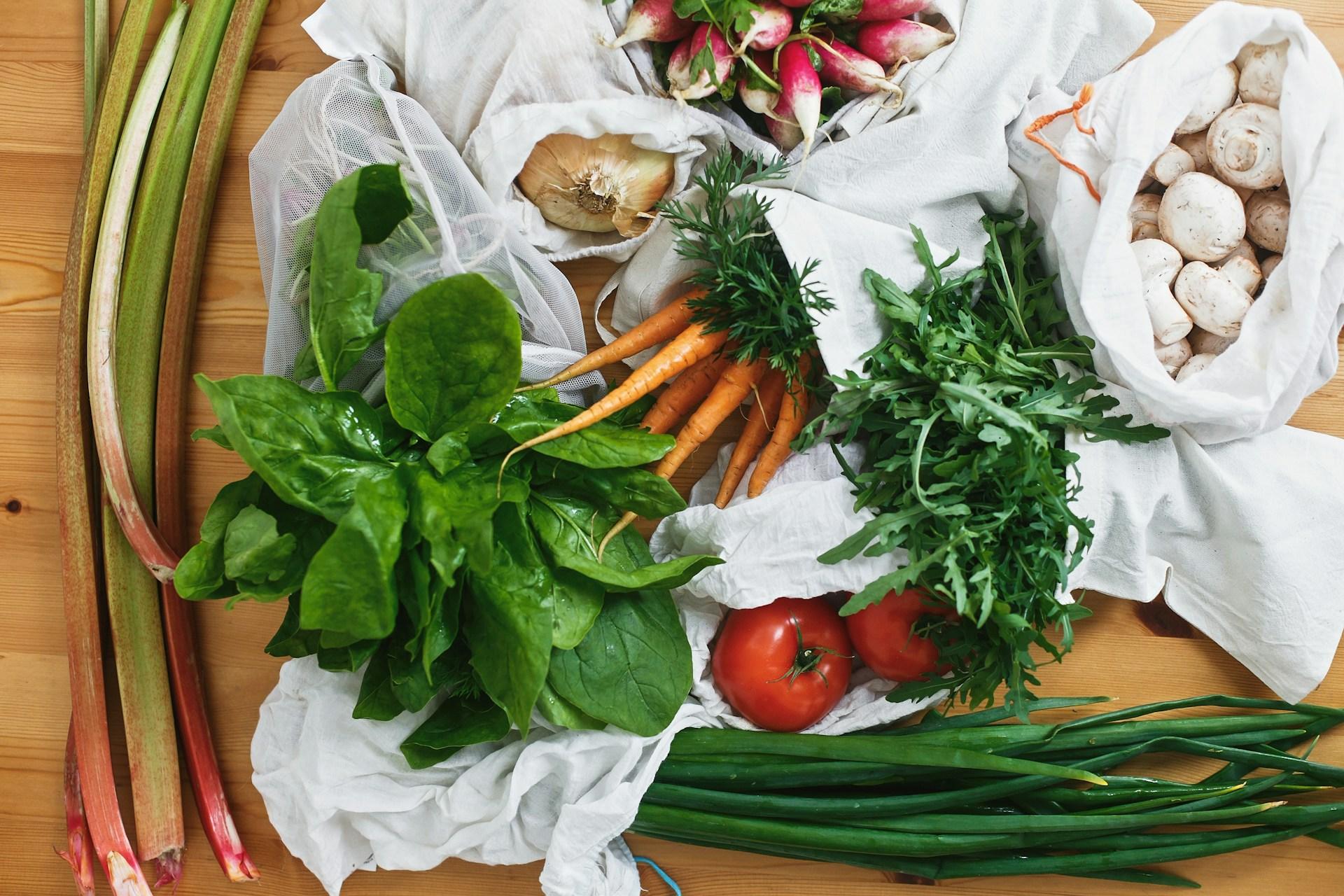
If you start your plants from seeds indoors instead of buying seedlings, you can save a bundle—and many vegetables actually thrive with a little indoor head start. Here are 10 veggies to start early so you can harvest them in the first stretch of spring!
Head Lettuce (Lactuca sativa)
Lettuce tends to bolt quickly in warm weather, but that’s not the only reason to start it indoors. If you sow directly outdoors, it has to compete with weeds—and while you’re weeding, those tender young plants can get damaged. Transplanting strong seedlings into a well-prepared bed gives you a much safer start.
Sow: 5 weeks before the last expected spring frost.
Transplant: 2 weeks before the last frost, after 1 week of gradual hardening off.
Tip: Don’t sow too early—seedlings kept indoors too long tend to weaken.
Broccoli (Brassica oleracea var. italica)
This slow-growing, cool-season plant doesn’t like summer heat—so giving it a head start indoors is a smart move.
Sow: 6–8 weeks before the last frost.
Transplant: 2–3 weeks before the last frost, after hardening off. Protect early plants from cold with a cover.
Cauliflower (Brassica oleracea var. botrytis)
A close relative of broccoli, cauliflower seedlings are more sensitive to cold, so starting them indoors is also recommended. Cauliflower benefits from this extra care.
Sow: 1–2 weeks earlier than broccoli (about 7–9 weeks before the last frost).
Transplant: 2–3 weeks before the last frost, when seedlings are stronger. Cover if cold.
Head Cabbage (Brassica oleracea var. capitata)
Another cool-season crop, it grows well when started indoors.
Sow: 6–8 weeks before the last frost.
Transplant: 2–3 weeks before the last frost, after hardening off.
Peas (Pisum sativum)
Peas are surprisingly cold-tolerant—they can even survive light frost—but dislike excessive heat.
Sow: indoors in February.
Transplant: as soon as soil is workable outdoors.
Chives (Allium schoenoprasum)
One of the best reasons to start early: you can harvest chives indoors. Sow in February, trim occasionally, and add fresh flavor to your salads.
Sow: February.
Transplant: 2–3 weeks before the last frost, after about 10 days of hardening off.
Kale (Brassica oleracea var. sabellica)
A true cold-tolerant supergreen that’s hard to find in stores, making it a great choice to grow yourself. This is not the same as the common cabbage kale known locally, but the popular Western “kale.”
Sow: 6 weeks before the last frost.
Transplant: 2–3 weeks before the last frost, after hardening off.
Spinach (Spinacia oleracea)
Spinach handles frost well but dislikes heat—making it perfect for early sowing.
Sow: 6 weeks before the last frost.
Transplant: 4 weeks before the last frost.
Kohlrabi (Brassica oleracea var. gongylodes)
Part of the cabbage family, its leaves are edible too (great for soups or salads). It thrives in cool weather.
Sow: 4–6 weeks before the last frost.
Transplant: 2–4 weeks before the last frost, after hardening off.
Red Onion (Allium cepa)
If you want a really early crop, start growing red onions indoors in February.
Sow: February.
Transplant: after about 10 days of hardening off, 2–3 weeks before the last frost.