Why Does Someone Avoid Conflict?
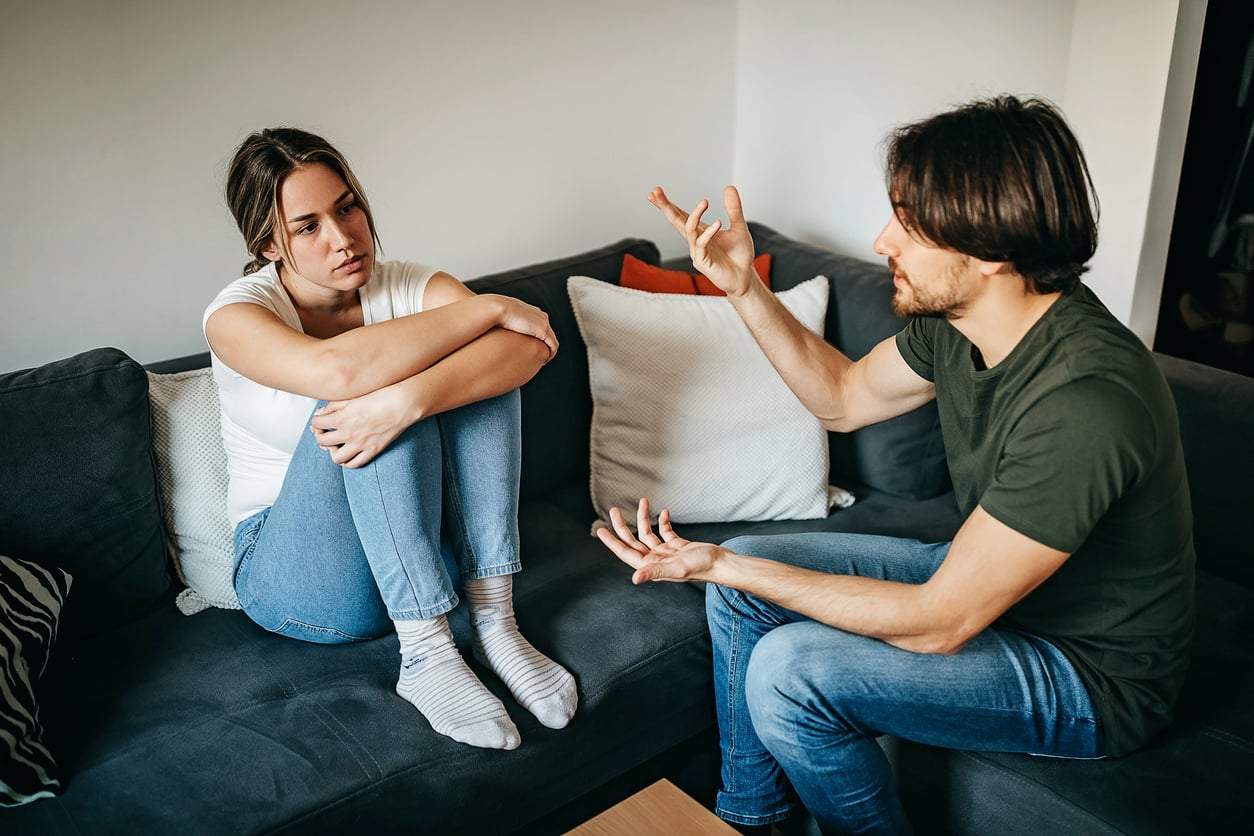
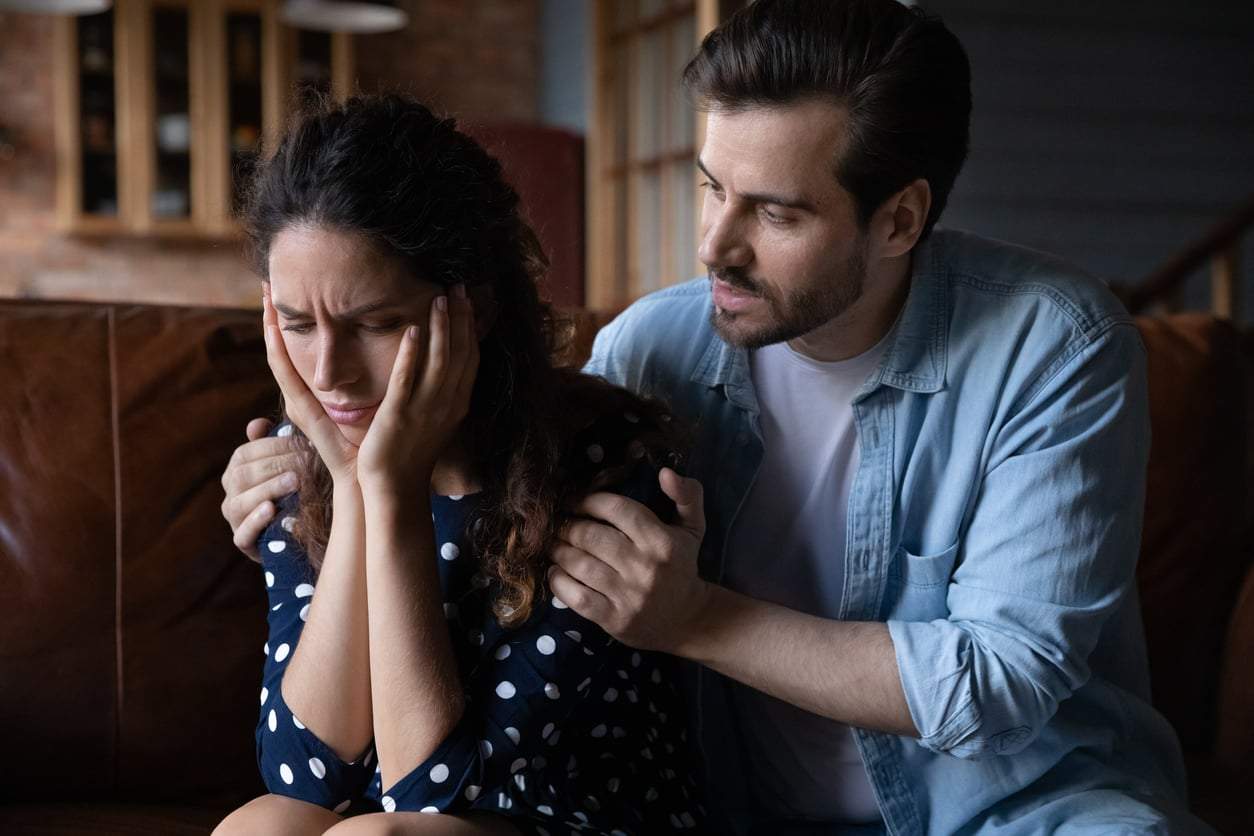
Many avoid conflict because they fear confrontation or have had difficult experiences in the past. Relationships can be tricky, and not everyone manages tension easily. Those who avoid arguments often cherish peace and prefer to withdraw rather than face uncomfortable situations. But why is it a problem if your partner takes this route?
Avoiding conflict might seem like a quick fix because it spares you from fights. But over time, unresolved issues build up and resurface, causing tension to explode. Let’s explore three clear signs that your partner is dodging conflict.
1. They Dodge Tough Topics
The first and most common sign of conflict avoidance is steering clear of difficult conversations. You might notice that when you bring up sensitive or controversial issues, your partner either doesn’t respond or gives short, vague answers. They might quickly change the subject to distract from the issue.
These behaviors show your partner feels uncomfortable with conflict and prefers to avoid potential arguments. Over time, this can hold your relationship back because unspoken problems quietly erode your connection.
2. They Always Try to Please You
If your partner constantly gives in and tries to make you happy, it might be a sign they’re avoiding conflict. While it seems kind at first, always doing things your way can actually mean they’re sacrificing their own needs. People who act like this often fear rejection or fighting, so they push their own desires aside.
This kind of self-sacrifice isn’t healthy for either the relationship or the individual. A balanced partnership means both your needs matter. If your partner’s needs are always sidelined, it can lead to frustration and dissatisfaction.
3. They Rarely Show Strong Emotions
Those who avoid conflict often seem emotionally distant. They might never show strong anger or sadness and act like everything’s fine. This emotional flatness is usually a defense mechanism to dodge tension. Such people hide their true feelings to avoid confrontation.
If your partner rarely expresses emotions, it’s worth gently talking about why they feel the need to hide their feelings. Past experiences might have shaped this behavior, and they may need support to open up.
How to Encourage Cooperation?
Handling conflict and solving problems together is key to a happy, healthy relationship. But how can you help your partner become more open to resolving conflicts?
1. Start with Honest Communication
Building trust is one of the best ways to help your partner open up. Try sharing your feelings openly and encourage them to do the same. Honest communication helps your partner trust both you and themselves, making it easier to reveal true emotions over time.
2. Show You’re Listening and Understanding
Another powerful way to encourage openness is to assure your partner you’re really listening. Be empathetic and invite them to share their feelings and thoughts without judgment or interruption. This supportive approach can free your partner up and motivate them to take an active role in solving problems.
3. Use Shared Problem-Solving Techniques
Finally, try introducing joint methods to tackle conflicts and make decisions together. You can list your problems and work as a team to find the best solutions. This approach not only helps manage issues more effectively but also strengthens your bond.