While store-bought bread can be used in many recipes, most slices end up as classic sandwiches. Not all sandwich breads are equal when it comes to health. Some are packed with whole ingredients and nutrients, while others contain additives, preservatives, added sugar, and very high sodium levels.
“Ingredients and preparation methods make all the difference when choosing bread,” says Brittany Brown, a registered dietitian and owner of Feeding Babies Nourishing Souls. That’s why, with the help and advice of dietitians, we’ve gathered key points to consider so you can pick a healthier sandwich bread next time you shop.
What to Look for in Sandwich Bread
“When it comes to whether bread is healthy, calories alone don’t tell the whole story. For me, fiber content and low added sugar are the top priorities,” shares dietitian Kaitlin Hippley. She usually picks bread with at least three grams of fiber to curb hunger and boost fullness. Plus, this complex carb helps regulate blood sugar and supports digestion.
Hippley also highlights that “less added sugar means fewer energy crashes, fewer cravings, and a lower risk of inflammation and weight gain.” Brown prefers breads with as few ingredients as possible.
“Remember, bread really only needs grain, water, salt, and sometimes yeast—everything else might be unnecessary.”
There’s not enough reliable evidence about the long-term health effects of mysterious additives, preservatives, and colorings. “The healthiest bread is the one that helps you reach your overall health goals,” adds Alexis Law, a registered dietitian at Top Nutrition Coaching. Some people need lower calories, others aim to maximize fiber or minimize sodium. A good rule of thumb is under 200 mg of sodium per serving to avoid long-term blood pressure issues from excess intake.

The Healthiest Bread
All three dietitians agree that 100% whole grain sprouted bread is the best base for sandwiches. “100% whole grain bread is a great choice because it provides plenty of nutrients like B vitamins, iron, zinc, potassium, magnesium, selenium, phosphorus, and fiber. It contains all three parts of the grain—the germ, bran, and endosperm—so it offers more fiber than white bread,” explains Law.
It also has a lower glycemic index, meaning more balanced blood sugar levels and steadier energy throughout the day.
Eating whole grains (including breads) is linked to a lower risk of chronic diseases. Brown adds about sprouted grains: “Sprouted grains are at their nutritional peak, so these breads have more protein, fiber, and omega-3s than traditional white or whole wheat breads.” They’re more filling, nourishing, and help reduce inflammation.
Sprouted breads often have lower gluten content for those sensitive to this protein and usually contain fewer anti-nutrients that can block absorption of minerals like iron.
“This type of bread is also widely available, found in most stores, often even as store brands, making it more affordable,” adds Law. But don’t be fooled by the label “wheat bread.” “Surprisingly, many wheat breads that seem healthy actually have low fiber and hide more added sugar than you’d expect,” warns Hippley. To avoid this, look for “100%” or “whole” on the label and always check the ingredient list.
What to Put in Your Sandwich
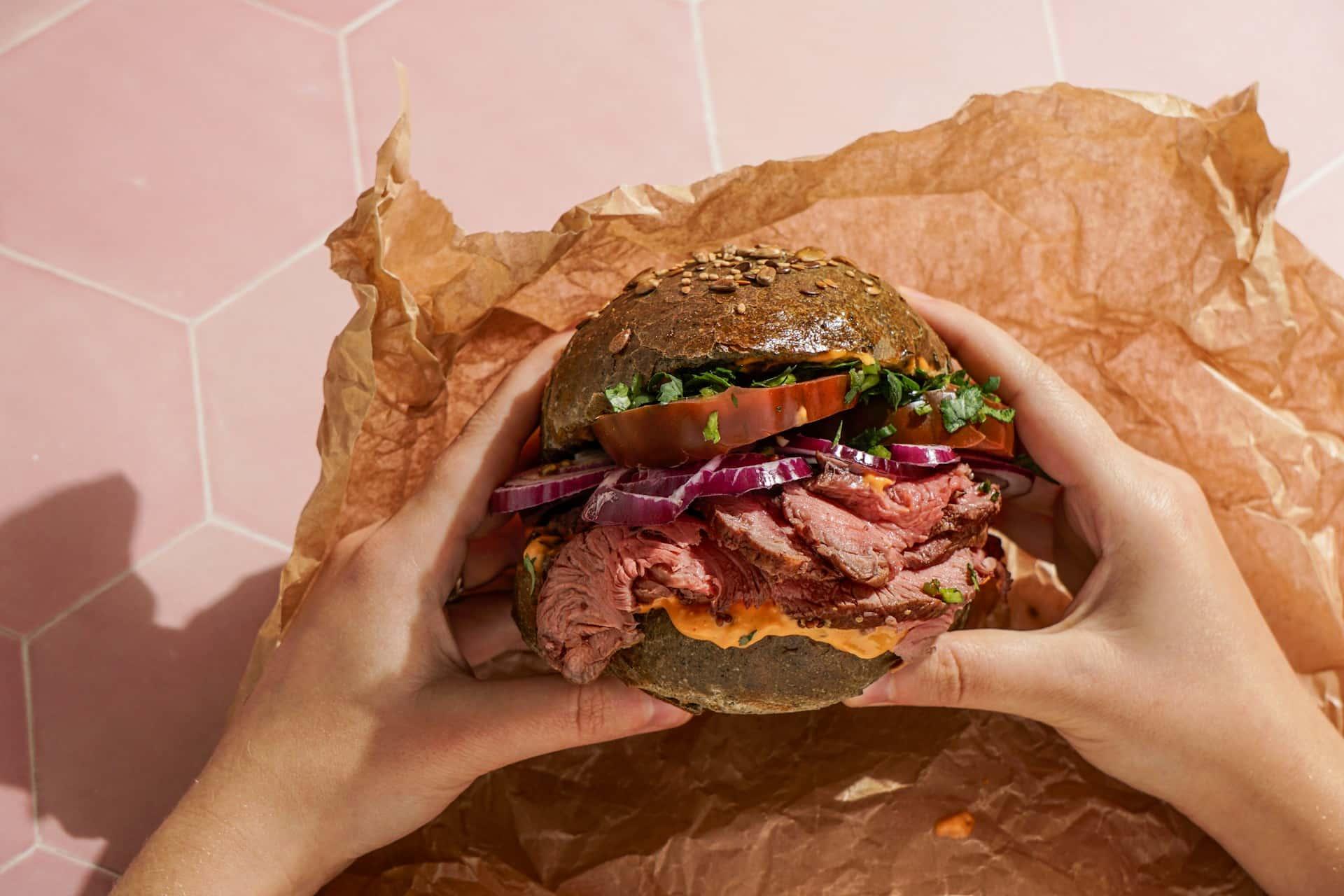
Once you bring home your whole grain bread, there are plenty of tasty ways to make sandwiches or other dishes. Law’s favorites include tuna salad or turkey breast with cucumber. “I love adding cucumber to sandwiches with fresh spinach because it adds a crunchy texture and sneaks in extra veggies,” she shares. Brown also enjoys tuna (especially warm sandwiches with pickled onion tuna), peanut butter and banana combos, and the classic fried egg sandwich. She even cleverly repurposes slightly stale store bread:
“Don’t waste dry bread—toast it broken into crumbs in a pan with spices,” she suggests. Hippley often makes tuna salad or homemade peanut butter and jam sandwiches but has other go-to recipes too. “Some favorites are fresh tomato and cottage cheese bread drizzled with olive oil, or smashed avocado with boiled egg and hemp or chia seeds,” she adds.
The Bottom Line
Ultimately, a good sandwich bread can make an already healthy lunch even more nourishing—not the other way around, since bread often gets unfairly demonized. “There’s no need to fear bread unless you have allergies or intolerances; it’s actually a great way to easily boost your fiber intake,” encourages Law. The best store-bought choice is a sprouted whole grain loaf. “Sprouted grain breads are among my favorites for healthy sandwich breads,” shares Brown. These breads offer fiber, protein, B vitamins, minerals, and even healthy fats, making them true “superfoods.”