
Taking your vitamins with your morning coffee might feel like a smart shortcut—two good habits in one go. But experts warn this isn’t always the best idea.
The issue isn’t the coffee itself—it even has health perks—but some of its components can affect how well your body absorbs nutrients.
Why Coffee and Certain Vitamins Don’t Mix Well

Two main players are behind this: caffeine and tannins. Tannins are plant compounds that act as antioxidants but can also "bind" certain minerals in your digestive tract, making them harder to absorb and easier to flush out.
Caffeine speeds up digestion and acts as a mild diuretic, meaning some nutrients spend less time being absorbed or get eliminated faster. This doesn’t mean coffee is "bad," just that timing matters.
Iron Supplements: The Biggest Concern

Iron is the supplement most affected. The tannins in coffee especially block the absorption of non-heme iron—the kind found in most supplements.
Some studies show absorption can drop by over 50% when taken with coffee.
This is especially important if your iron levels are already low or you’re supplementing for a deficiency.
Calcium: Not Dramatic, But Not Ideal

Calcium’s interaction with coffee is milder. Caffeine can slightly increase calcium loss through urine and may reduce absorption a bit. For healthy people, this usually isn’t a big deal, but if you have low calcium or are prone to osteoporosis, it’s worth paying attention.
Magnesium: Reduced Effectiveness
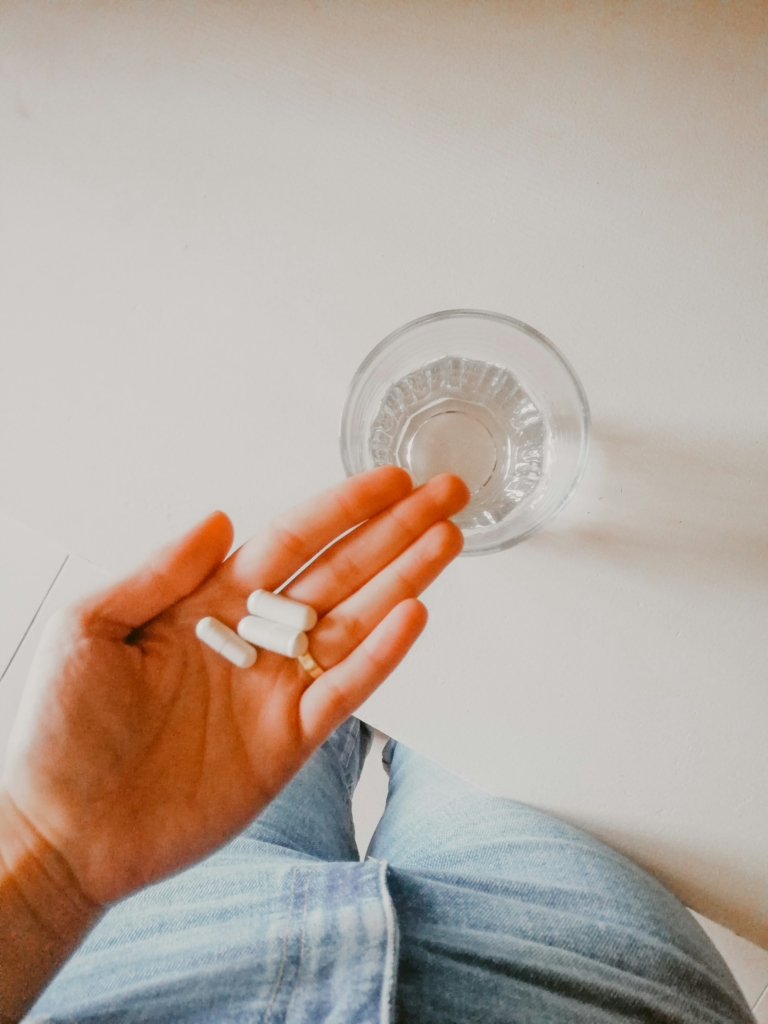
Magnesium supports muscle function, the nervous system, and sleep. But caffeine can boost its elimination, so taking magnesium with coffee might reduce its effectiveness. It’s not lost completely, just not absorbed as well.
Zinc: Another Poor Match

Zinc absorption can also be affected by compounds in coffee, which may bind it during digestion.
This matters most if you’re taking zinc to boost your immune system or to address a deficiency.
So When Should You Take Them?

Experts say timing is the simplest rule. It’s best to wait at least an hour or two between coffee and supplements so your body can absorb nutrients properly. Many prefer to take vitamins with lunch or dinner, leaving coffee as part of their morning routine.
You don’t have to give up coffee, and your supplements can stay too—just not necessarily together. Sometimes, a little timing tweak is all it takes for your body to get the most out of both.