For most of us, coffee is non-negotiable in the morning. It's a ritual, a comfort, a kick-start. But if you've ever crashed hard by mid-afternoon or felt your heart race after one cup too many, there might be a smoother alternative worth trying. Matcha has been quietly gaining ground — and once you understand how differently it works compared to coffee, it's easy to see why.
Both drinks contain caffeine, but that's roughly where the similarities end. Here are the three most important differences between matcha and coffee caffeine — and what they mean for your energy, focus, and long-term health.
1. Matcha gives you steady energy — no crash included
The secret behind matcha's famously calm energy boost is a natural amino acid called L-theanine. This compound, found almost exclusively in tea leaves, slows the absorption of caffeine into your bloodstream. The result? A gradual, sustained lift rather than a sudden spike.
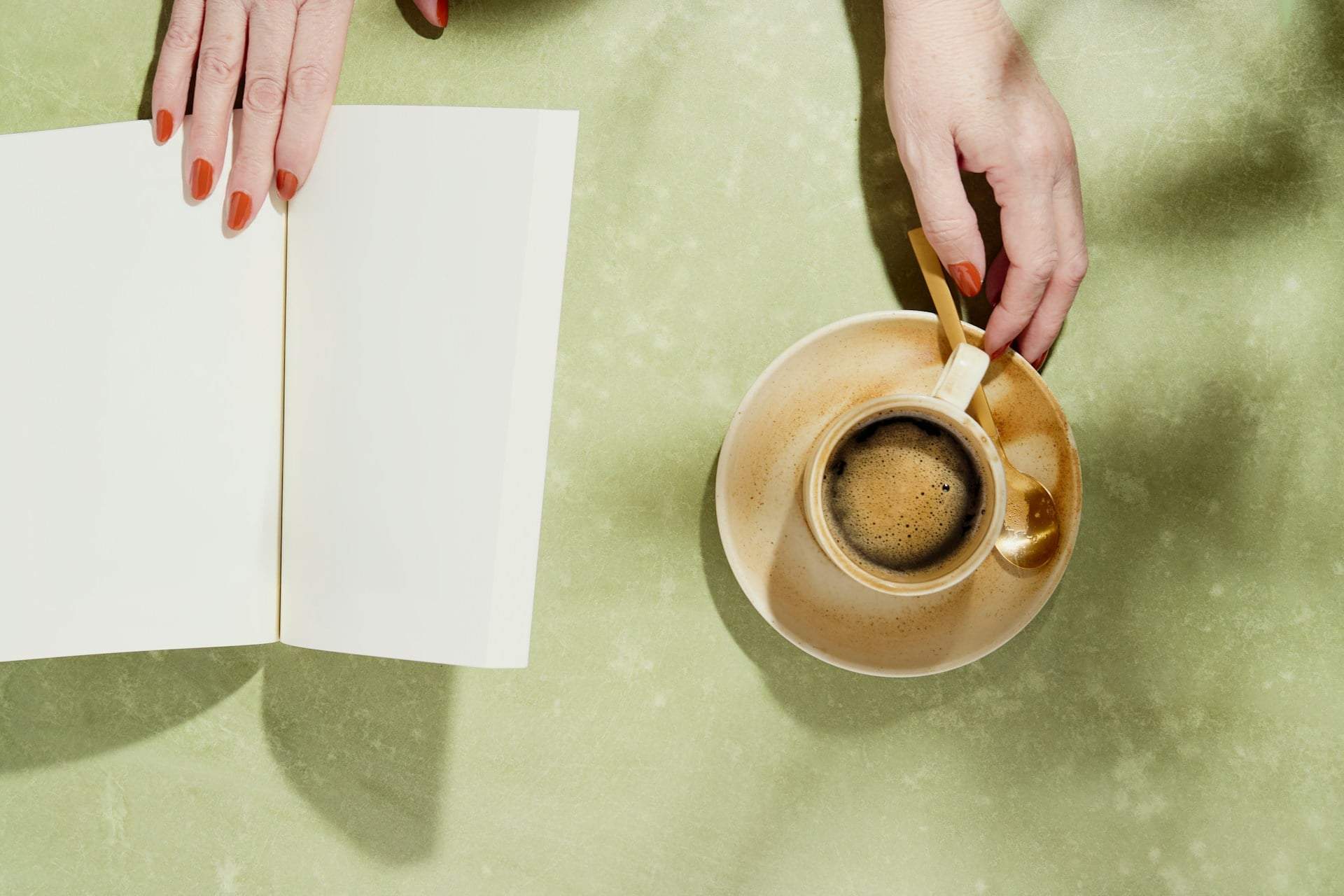
With coffee, you get a fast hit of caffeine and then, often within a couple of hours, that familiar slump. Your body processes the caffeine quickly, and when it's gone, fatigue sets in — which is exactly why so many people find themselves reaching for a second or third cup.
Matcha sidesteps this cycle entirely. The energy it provides tends to last longer and feels noticeably smoother, making it especially appealing on long, demanding days.
2. Less caffeine, but smarter caffeine
A standard cup of coffee contains significantly more caffeine than a serving of matcha. On paper, that might sound like a point in coffee's favour — but the way caffeine behaves in each drink tells a different story.
With matcha, caffeine enters the bloodstream gradually, producing a gentler but more sustained alertness that carries you through the day without overstimulation.
This matters beyond just physical energy. The combination of L-theanine and caffeine in matcha has been shown to support mental focus and concentration without triggering anxiety or restlessness. Coffee, by contrast, can cause a rapid surge in the bloodstream that sometimes leads to jitteriness, headaches, or a racing heart — especially in people who are caffeine-sensitive.
If you've ever felt wired but unable to focus after a strong coffee, that's the difference in action.
3. The long-term effects on your body are very different
Regular, high-dose coffee consumption can lead to caffeine dependence in many people. The cycle of energy spikes and crashes keeps you coming back for more, and over time, your tolerance builds — meaning you need more coffee to feel the same effect.
Matcha's lower caffeine content helps avoid this pattern. But the long-term benefits go further than just avoiding dependence. Matcha is exceptionally rich in antioxidants — particularly a group called catechins — which support immune function, cardiovascular health, and metabolism. These antioxidants also help neutralise free radicals, which are linked to premature ageing and cellular damage.
In other words, your daily cup of matcha isn't just keeping you alert — it's actively doing something good for your body in the background.
So which one should you choose?
There's no need to demonise coffee — for many people, it's perfectly fine and even beneficial in moderation. But if you regularly experience energy crashes, anxiety, or sleep disruption, matcha is genuinely worth trying as a full or partial replacement.
The key advantage of matcha comes down to this: it gives you focus and energy without the volatility. The calming influence of L-theanine is particularly valuable for anyone navigating a stressful work environment or struggling with afternoon fatigue.
Next time you feel the pull of the coffee machine, consider reaching for a bowl of matcha instead — your afternoon self might thank you for it.