You've probably heard the buzz: a simple injection that melts away the weight while you barely notice. It sounds almost too good to be true — and in many ways, it is. Weight-loss injections have become one of the most talked-about tools in the world of slimming down, yet they're also wrapped in misunderstanding and sky-high expectations.
Before anyone seriously considers them, it's worth understanding what's actually going on behind the hype — and what these medications can and can't do.
What these injections actually are
The most talked-about products belong to a group called GLP-1 receptor agonists. Active ingredients like semaglutide and liraglutide fall into this category, along with the newer tirzepatide, a molecule with a combined mechanism of action.
Here's the part many people miss: these drugs were originally developed to treat type 2 diabetes. It was only during clinical use that doctors noticed something striking — they also had a powerful appetite-suppressing and weight-reducing effect.
These are prescription medications, meant to be used under medical supervision and based on individual assessment — not free-for-all miracle cures you can grab off a shelf.
How they work in the body
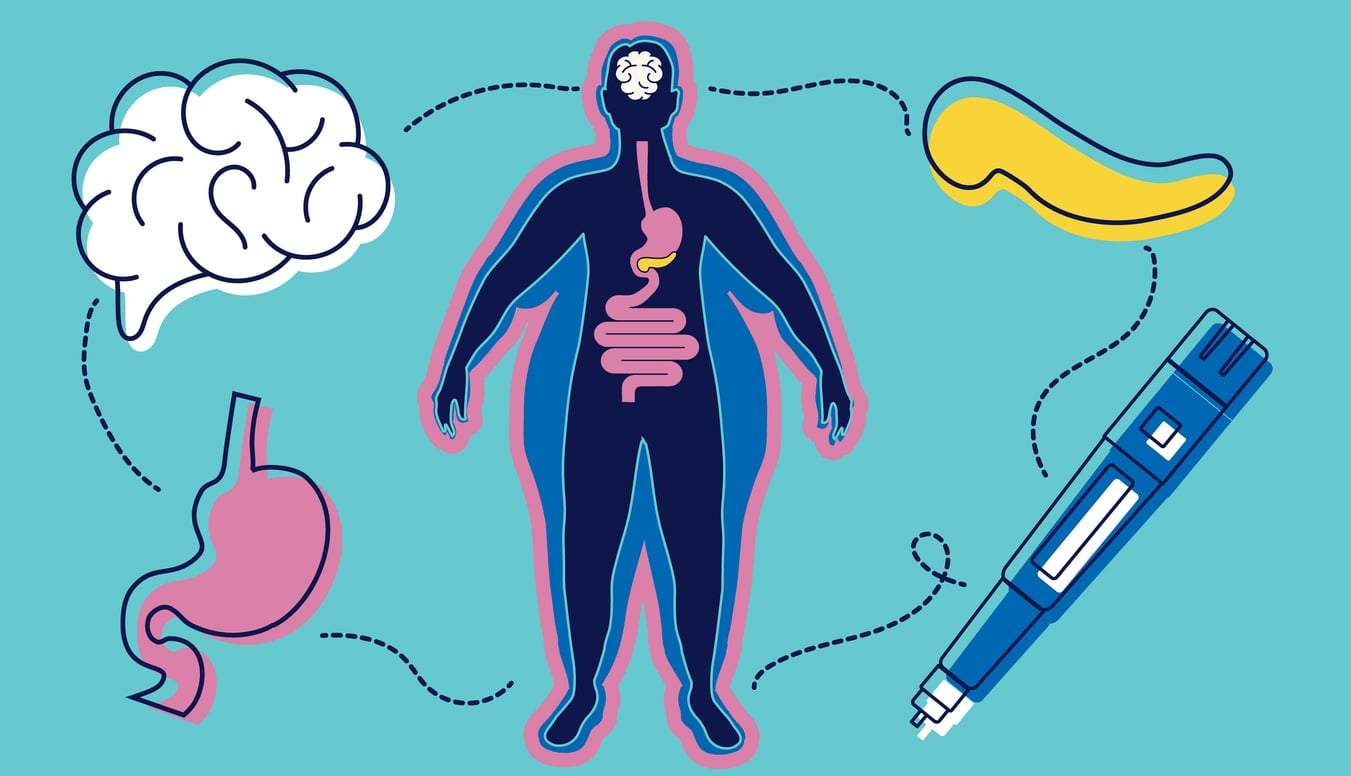
The GLP-1 hormone is actually produced naturally in your gut after you eat. Among other things, it slows down how quickly your stomach empties and signals to your brain that you're full.
Weight-loss injections mimic this hormone. As a result, people typically eat smaller portions, feel hungry less often, and may notice their urge to snack fading. They can also help regulate blood sugar — an especially important benefit for anyone dealing with insulin resistance or diabetes.
What kind of results to expect
Based on user feedback and publicly available professional summaries, significant weight loss is achievable during treatment. But the amount varies enormously from person to person, and it depends heavily on lifestyle changes too.
The injection alone is not a magic bullet. Lasting results usually require a genuine shift in eating habits and regular movement. Stop the treatment without building new, sustainable routines, and some of the weight can creep right back.
The risks and side effects
The most commonly reported side effects involve the digestive system: nausea, bloating, constipation, or diarrhea can occur — particularly at the start of treatment or when increasing the dose.
Less often, more serious complications can arise, which is exactly why these medications should only be used after a proper medical evaluation and with ongoing supervision. If you live with a chronic condition, take medication, or are planning to have a baby, talk to your doctor before starting any injection-based therapy.
Who these injections are actually for
Doctors typically consider these medications when excess weight has already become a health risk, and lifestyle changes on their own haven't delivered lasting results.
The decision is always an individual medical call, taking into account your history, your current health, and your long-term goals. They are not designed to be used on a whim for purely cosmetic reasons, without any medical justification.
What to keep in mind before you decide
Go in with realistic expectations. Weight-loss injections don't fix the problem overnight — they can be part of a longer journey where medical supervision, nutritional guidance, and building sustainable habits all matter just as much as the medication itself.
If you're weighing up the option, see a professional who can give you a full picture of your personal risks and likely results — rather than making a decision based on online forums or a friend's experience.
Are weight-loss injections a miracle cure?
No. They can support significant weight loss, but they aren't a magic bullet. Lasting results still depend on changes to your eating habits and physical activity.
What are the most common side effects?
The most frequently reported issues affect the digestive system, including nausea, bloating, constipation, and diarrhea — especially at the start of treatment or when the dose is increased.
Can I get these injections without a prescription?
No. These are prescription medications meant to be used under medical supervision and based on individual assessment, not products you can buy freely.
Will the weight come back if I stop?
It can. If you don't build new, sustainable eating and movement habits during treatment, some of the weight may return once you stop.
Who should consider them?
They're typically considered when excess weight has become a health risk and lifestyle changes alone haven't worked. The decision should always be made together with a doctor.