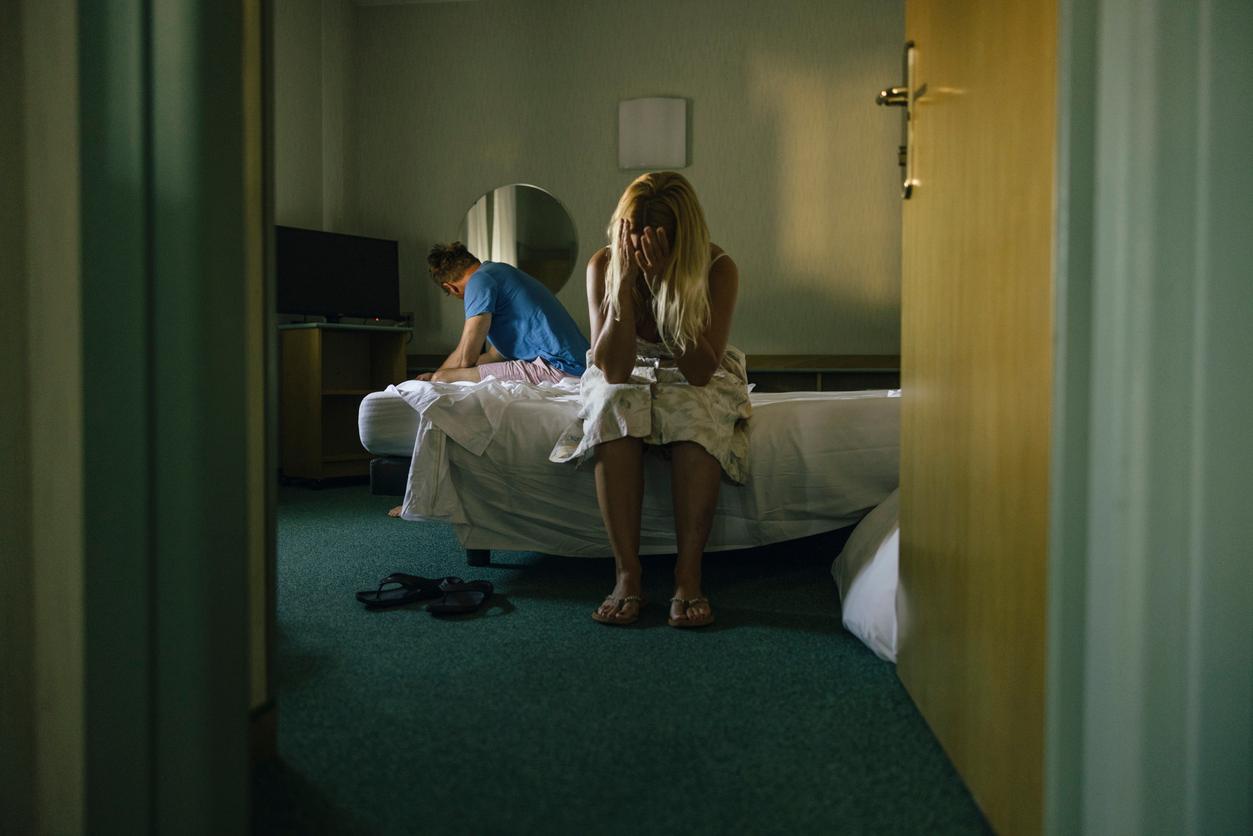
At the start of relationships, everything often feels wrapped in rose-colored fog, and love seems stronger than any other emotion. But what happens when one person feels deeper than the other, and the emotional balance tips?
1. You Invest More Energy Than You Get Back
One of the most painful realities of emotionally one-sided relationships is that one partner puts in far more energy and emotion than the other. This imbalance often shows up in small ways, like who initiates spending time together or conversations. The person who gives more emotionally often feels taken for granted and doesn’t receive the connection in the right amount or quality.
Recognizing this can hurt because it means accepting that emotional energies aren’t balanced. Over time, this can drain the relationship and lead to a breaking point, resulting in growing apart or even a breakup.
2. Your Emotional Needs Go Unmet
When one partner invests more emotionally, it often means their emotional needs are overlooked. These needs might include attention, support, or simply feeling understood and cared for. Many expect these to happen naturally, but in one-sided relationships, they often don’t.
As a result, the person affected may feel emotionally abandoned or isolated.
Emotional neglect can cause major stress over time and chip away at your self-worth.

3. The Risk of Emotional Manipulation Is Higher
In any relationship where emotional balance is off, there’s a risk of emotional manipulation. The partner who invests less emotionally might unknowingly exploit the other’s vulnerabilities or attachment for their own gain. This manipulation can take subtle forms like shifting blame, guilt-tripping, or emotional blackmail.
These tactics undermine confidence and self-esteem, weakening the person who’s already more emotionally involved. Spotting emotional manipulation is crucial because it often hides in everyday interactions.
4. Feelings of Uncertainty Are More Common
Another effect of emotionally one-sided relationships is that the person who invests more often feels uncertain about the relationship’s future. This uncertainty usually comes from the partner’s lack of clear interest or commitment, making it tough to discuss future plans or shared goals.
This situation can lead to ongoing worry and anxiety, causing mental and emotional exhaustion. The stress that spills into daily life may also cause long-term health challenges, blocking your sense of happiness and satisfaction.

5. Your Self-Esteem Can Take a Hit
One of the saddest effects of emotionally one-sided relationships is that the person involved often experiences a gradual drop in self-esteem. Feeling consistently unsupported and unrecognized emotionally, they may start believing they’re worth less or don’t deserve more.
This can create a vicious cycle where self-worth keeps falling short.
Low self-esteem doesn’t just damage the relationship; it can affect other areas of life, like work or family connections. Rebuilding your self-esteem and creating a mutually supportive relationship is key to protecting your mental and physical health.
An emotionally one-sided relationship often signals not just an ending but a chance for deeper self-discovery. Recognizing and addressing the situation gives you the opportunity to reevaluate your needs, boundaries, and goals in your partnerships.