John Maxwell Coetzee
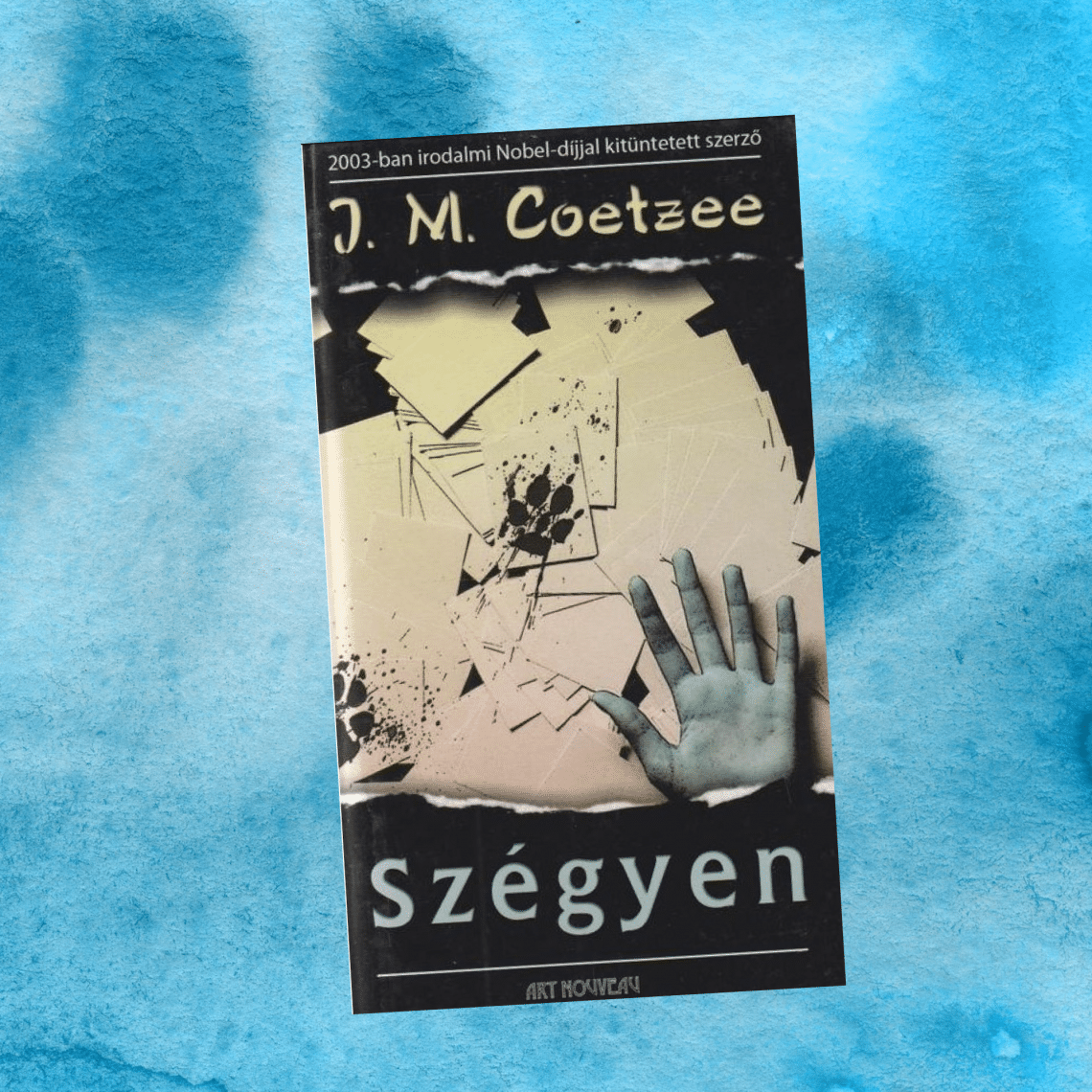
The official reason for awarding the South African writer was that he "depicted the startling empathy of an outsider in the life of a community" through countless characters.
Though his writings often hit hard with raw realism and tackle topics we might prefer to avoid, his sensitive approach makes his books nearly impossible to put down.
One of his most popular and acclaimed works, Disgrace, guides us through the challenges of post-apartheid South Africa.
Though his writings often hit hard with raw realism and tackle topics we might prefer to avoid, his sensitive approach makes his books nearly impossible to put down.
One of his most popular and acclaimed works, Disgrace, guides us through the challenges of post-apartheid South Africa.
Thomas Mann
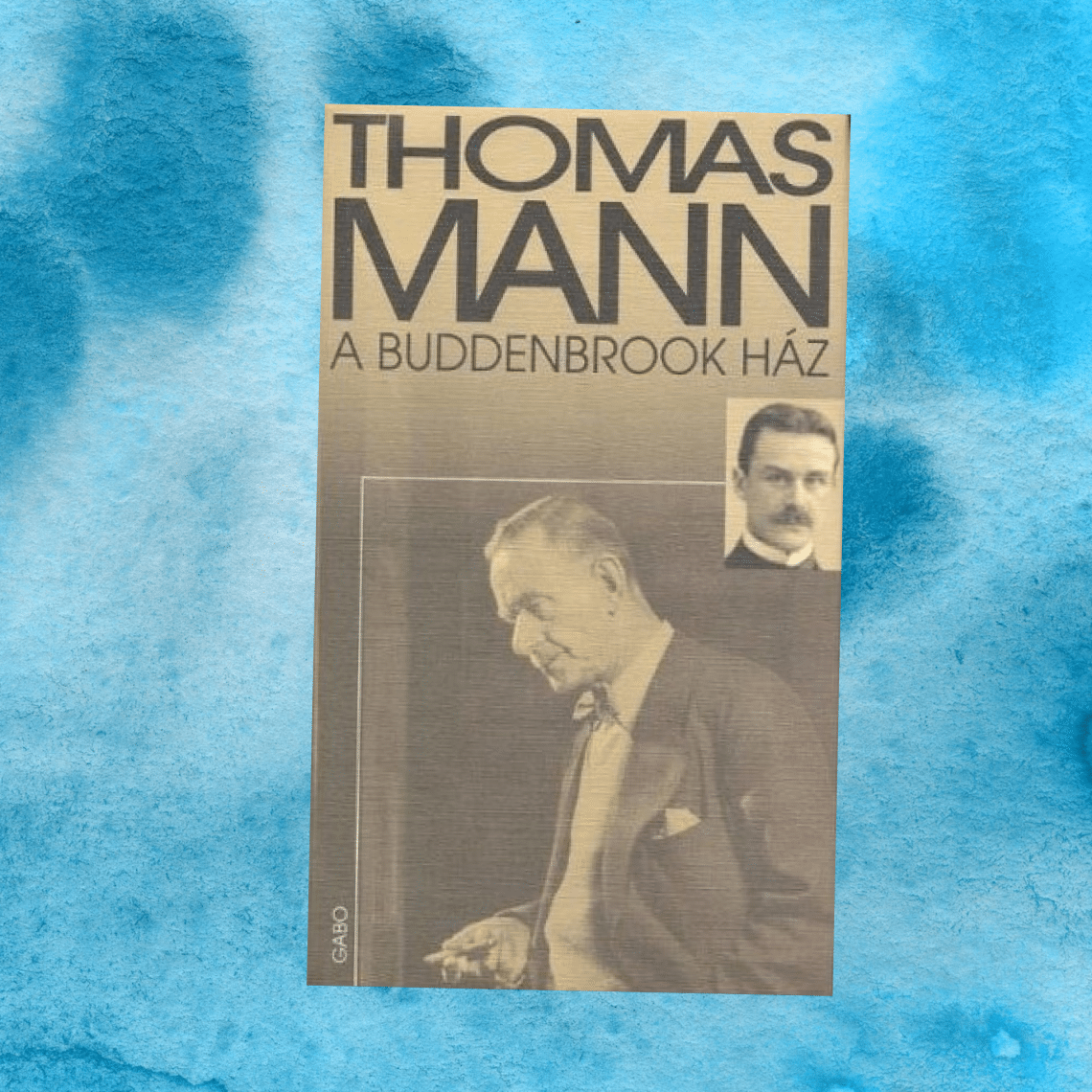
Who doesn’t know Thomas Mann, the literary giant awarded the Nobel Prize "mainly for his great novel, Buddenbrooks, a classic of contemporary literature"?
His legendary wit still inspires quotes and graffiti today, but he also had a keen eye for human frailty, power struggles, and the forces born from humiliation and anger.
Buddenbrooks tells the story of a family’s decline while reflecting broader social issues and changes.
His legendary wit still inspires quotes and graffiti today, but he also had a keen eye for human frailty, power struggles, and the forces born from humiliation and anger.
Buddenbrooks tells the story of a family’s decline while reflecting broader social issues and changes.
Herta Müller

Born in the Banat region, Herta Müller is a German-speaking Swabian writer whose father served in the SS during World War II, and whose mother was deported to the Soviet Union as part of the German minority.
It’s no surprise that the Nobel committee praised her for "depicting the landscape of displacement with the brevity of poetry and the objectivity of prose."
Her works available in Hungarian include Heart Piece, Breath Swing, and Foxes Trap.
It’s no surprise that the Nobel committee praised her for "depicting the landscape of displacement with the brevity of poetry and the objectivity of prose."
Her works available in Hungarian include Heart Piece, Breath Swing, and Foxes Trap.
Imre Kertész

Of course, Imre Kertész makes our list—not just because he’s Hungarian, but because Fatelessness is truly a must-read.
Kertész strives to express the inexpressible, explain the incomprehensible, and forgive the unforgivable.
He received the Nobel Prize not for this single book alone, but for "a body of work that stands as a witness to the vulnerable experience of the individual against the barbaric arbitrariness of history."
Kertész strives to express the inexpressible, explain the incomprehensible, and forgive the unforgivable.
He received the Nobel Prize not for this single book alone, but for "a body of work that stands as a witness to the vulnerable experience of the individual against the barbaric arbitrariness of history."
Gabriel García Márquez

The official Nobel citation for the Colombian writer praises his "novels and short stories, where the fantastic and the realistic blend in a richly crafted world of imagination, reflecting the life and conflicts of a continent."
Indeed, no one blends magic and reality quite like Márquez, nor tells the tragedies of human existence as beautifully.
His magical storytelling sometimes softens harsh realities, while other times, the enchanting imagery highlights the sadness. One thing’s for sure: after reading One Hundred Years of Solitude, you’ll never look at butterflies the same way again.
Indeed, no one blends magic and reality quite like Márquez, nor tells the tragedies of human existence as beautifully.
His magical storytelling sometimes softens harsh realities, while other times, the enchanting imagery highlights the sadness. One thing’s for sure: after reading One Hundred Years of Solitude, you’ll never look at butterflies the same way again.