When you picture Italy, you probably think of sun-drenched piazzas, unhurried lunches, hilltop towns and that effortless feeling of la dolce vita. It's a fantasy millions of people chase every single year.
But that sweetness is only one side of the story. Behind the postcard glow lies a country wrestling with real tensions, real hardship and constant change — and that is exactly the Italy Gergely Péterfy sets out to capture in his new novel, Digó.
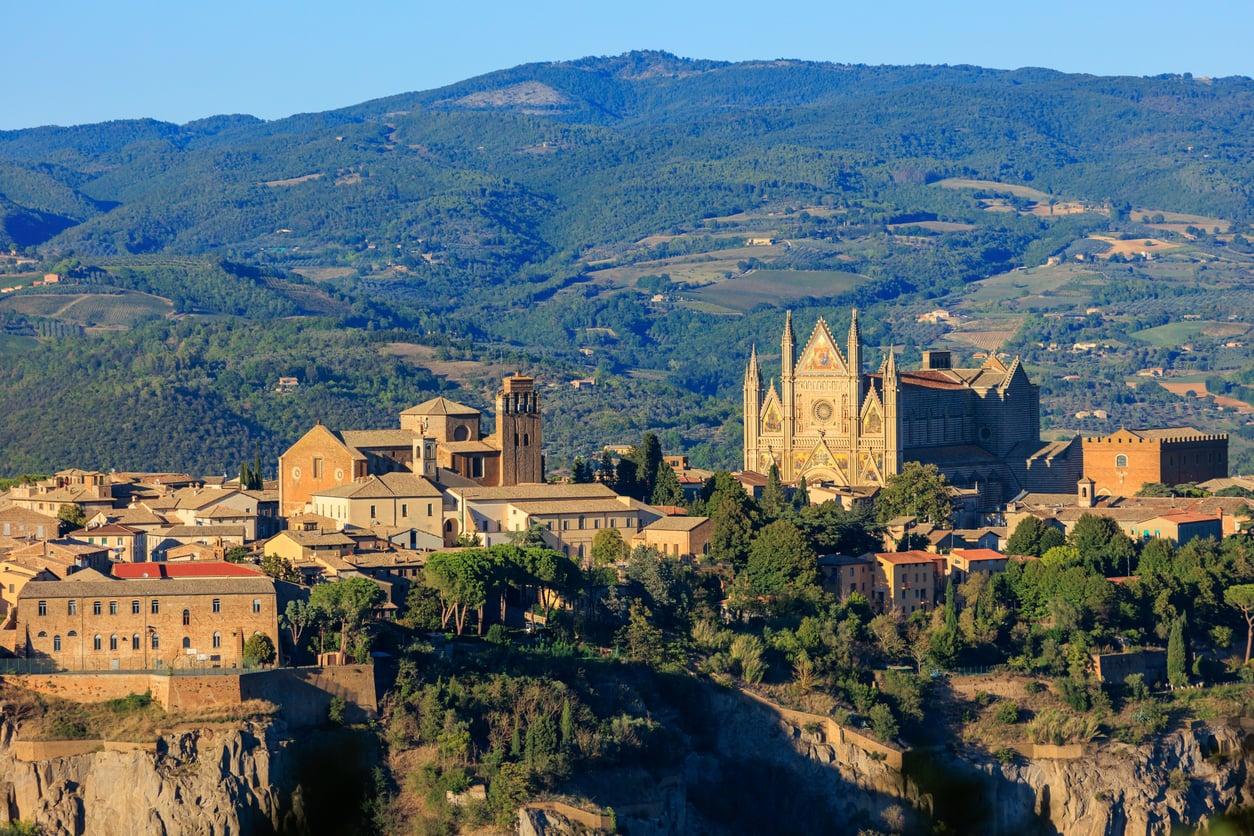
Released to coincide with one of the year's major literary events, the book invites readers on an unusual journey into one of Umbria's most beautiful historic towns, Orvieto — and into the everyday reality that visitors almost never get to see.
A different kind of Italy
Digó is not the Italy of glossy travel brochures. In the background of the story stands a country tested by increasingly frequent wildfires, the scorching sirocco wind, an ageing population and the heavy burden of preserving its own historical heritage.
At the heart of it all is Orvieto's international community. Locals live side by side with wealthy newcomers from abroad and with Eastern European immigrants who quietly do the work that keeps daily life running.
Carers, cleaners, home helpers and manual labourers make up a social layer that many families simply couldn't manage without — yet they rarely step into the spotlight. It's a quieter reality that runs beneath the surface of even the most idyllic destinations.
Starting over in Umbria
The novel's protagonist, Henrik Winter, arrives in Umbria from Budapest during the pandemic. Burned out and disillusioned, this intellectual decides to turn his back on his old life and choose something quieter and more restrained.
But his new surroundings don't hand him the peace he was hoping for. The deeper he gets to know the town and its residents, the more he realises that human relationships, social divides and personal fates are far more complicated than he ever imagined.
Henrik becomes part of a story where love, loss and the inevitability of fate all intertwine. One of the novel's most gripping questions is this: how much can we really shape our own lives — and how much are we simply at the mercy of everything happening around us?
A world built on real experience
Although Digó is a work of fiction, its atmosphere and social backdrop are shaped strongly by the author's own experiences. The relationships it portrays, the daily lives of Eastern European immigrants, and the parallel worlds of affluent Northern European settlers and the Italian elite all rest on observations that make this vivid setting feel strikingly close.
That authenticity is one of the book's greatest strengths. It doesn't idealise Italy, but it doesn't shatter its magic either. Instead, it shows how beauty and hardship, tradition and change all coexist in the country's everyday life.
More than a travelogue or a love story
Digó reaches beyond the classic tale of reinvention. Through individual lives, it also examines the social and human questions facing Europe today. Readers don't just soak up the mood of Umbria — they come face to face with issues that concern the whole continent: migration, identity, ageing societies, social inequality and the possibility of starting again.
The book will especially appeal to anyone who loves novels that offer a fresh, unexpected perspective on a familiar place. Péterfy's work is a reminder that behind even the most alluring destinations there are real people, real lives and often difficult choices.
In the shadow of la dolce vita
Ultimately, Digó is about the complex human stories hidden behind a seemingly perfect life. The streets of Orvieto, the hills of Umbria and that famous Italian way of living aren't just scenery here — they're part of a world that is beautiful, fragile and deeply human all at once.
Gergely Péterfy's new novel is for readers curious about what lies beyond the postcards and Instagram photos — and for anyone who wants to discover Italy's lesser-known, yet endlessly fascinating, other face.
What is Gergely Péterfy's novel Digó about?
It follows Henrik Winter, a burned-out intellectual who leaves Budapest for the Umbrian town of Orvieto during the pandemic, hoping for a quieter life. Instead he's drawn into a web of love, loss and social realities he never expected.
Where is the story set?
The novel takes place in Orvieto, one of Umbria's most beautiful historic towns, and paints a portrait of everyday life that tourists rarely get to see.
Is Digó based on true events?
It's a work of fiction, but its atmosphere and social backdrop are strongly shaped by the author's own experiences, which gives the setting and characters a striking sense of authenticity.
Who will enjoy this book?
It's ideal for readers who love novels that offer a fresh, unexpected perspective on a familiar place, and who want to see the real Italy behind the la dolce vita image.