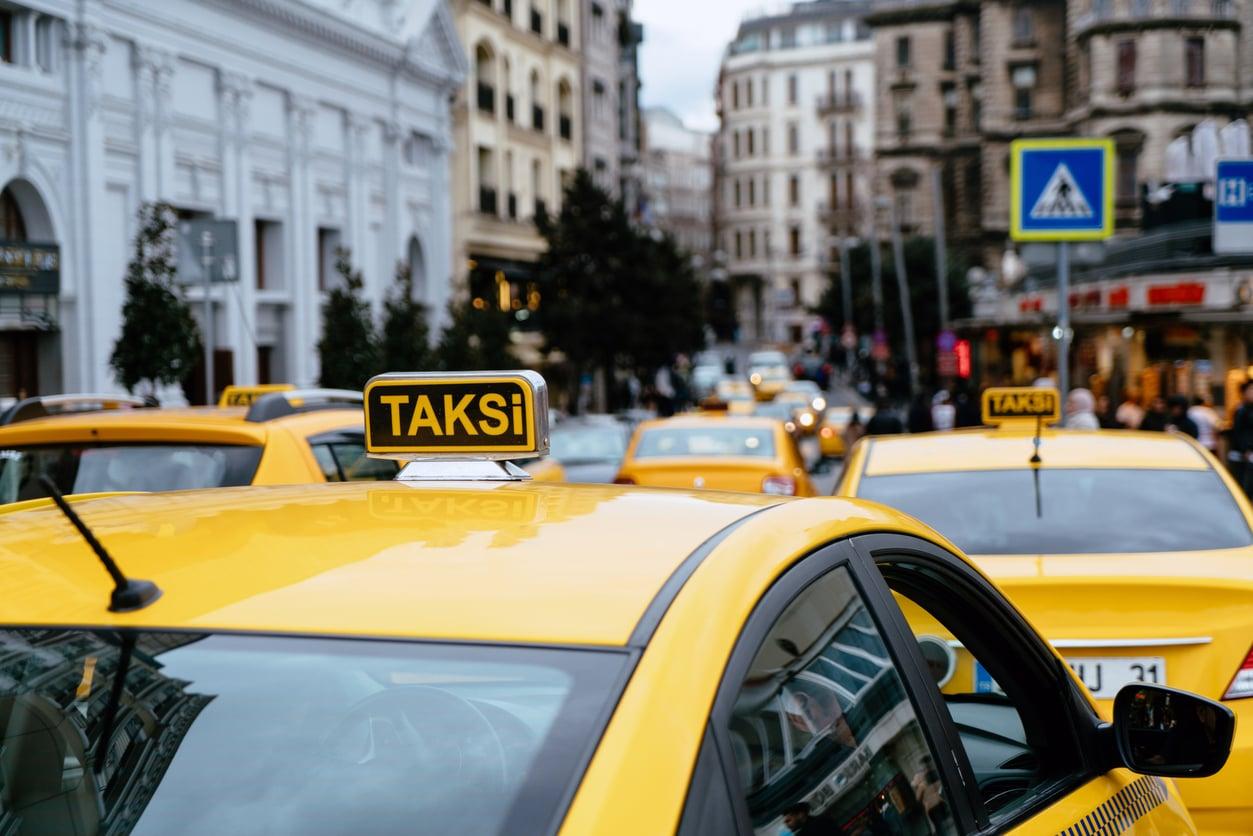
You've flagged one down hundreds of times without ever stopping to wonder — why is it yellow? The answer goes deeper than habit or tradition. It traces back to a deliberate, science-backed decision made over a century ago that quietly shaped cities around the world.
It started with one man and a simple question
In the early 20th century, John Hertz — the entrepreneur behind what would become one of America's most recognized transport companies — was building his taxi fleet in Chicago. He faced a practical problem: how do you make a vehicle instantly recognizable in a chaotic, crowded city street?
Hertz didn't guess. He turned to research. He commissioned a study through the University of Chicago to find out which color the human eye picks up most easily — especially when objects are moving.
The goal was simple: make sure passengers could spot a taxi fast, from a distance, even through the noise and movement of city traffic.
What the University of Chicago discovered
The findings were clear. Yellow is one of the most visually detectable colors the human eye can process, particularly for moving objects. In test after test, participants noticed yellow items first — regardless of how fast those objects were moving or how far away they were.
The science behind it comes down to light wavelengths. Yellow reflects long-wavelength light, which the eye processes more quickly and with less effort than shorter wavelengths. In practical terms: your brain registers yellow faster than almost any other color.
For a taxi trying to be seen on a busy street, that's not a small advantage — it's everything.
How a business decision became a global icon
Armed with that research, Hertz made yellow the standard color for his fleet. But the reasoning went beyond visibility alone. A consistent, distinctive color also created brand identity — passengers didn't just see a car for hire, they recognized a specific kind of service instantly.
The iconic yellow taxi has since become one of the most universally recognized symbols of urban life on the planet.
From New York to Tokyo, the yellow cab became shorthand for city transport. What began as one entrepreneur's calculated choice quietly set an industry standard that has lasted more than a hundred years.
Color psychology shapes more of your life than you think
The yellow taxi is a vivid example of something that happens all around us, all the time. Color is one of the most powerful and underestimated tools in human decision-making.
Red triggers urgency and appetite — which is why so many fast food logos lean into it. Blue communicates calm and trust, making it the dominant choice for tech and finance brands. Green signals health and nature. These aren't accidents. They're deliberate applications of the same principles John Hertz used when he painted his fleet yellow.
The fact that yellow taxis still feel right after more than a century is proof of just how powerful a well-chosen color can be.
The lesson that goes beyond taxis
Color psychology isn't just a tool for designers and marketers. It influences how we perceive safety, trustworthiness, energy, and even appetite in everyday situations — often without us realizing it.
Whether you're choosing what to wear to a job interview, designing a logo, or picking the color of your front door, the same principles apply. Visual choices carry weight, and the science of color gives us a framework for making smarter ones.
So next time you raise your hand to hail a cab, take a second to appreciate it. That bright yellow isn't just a tradition — it's a century-old scientific insight still doing its job perfectly.