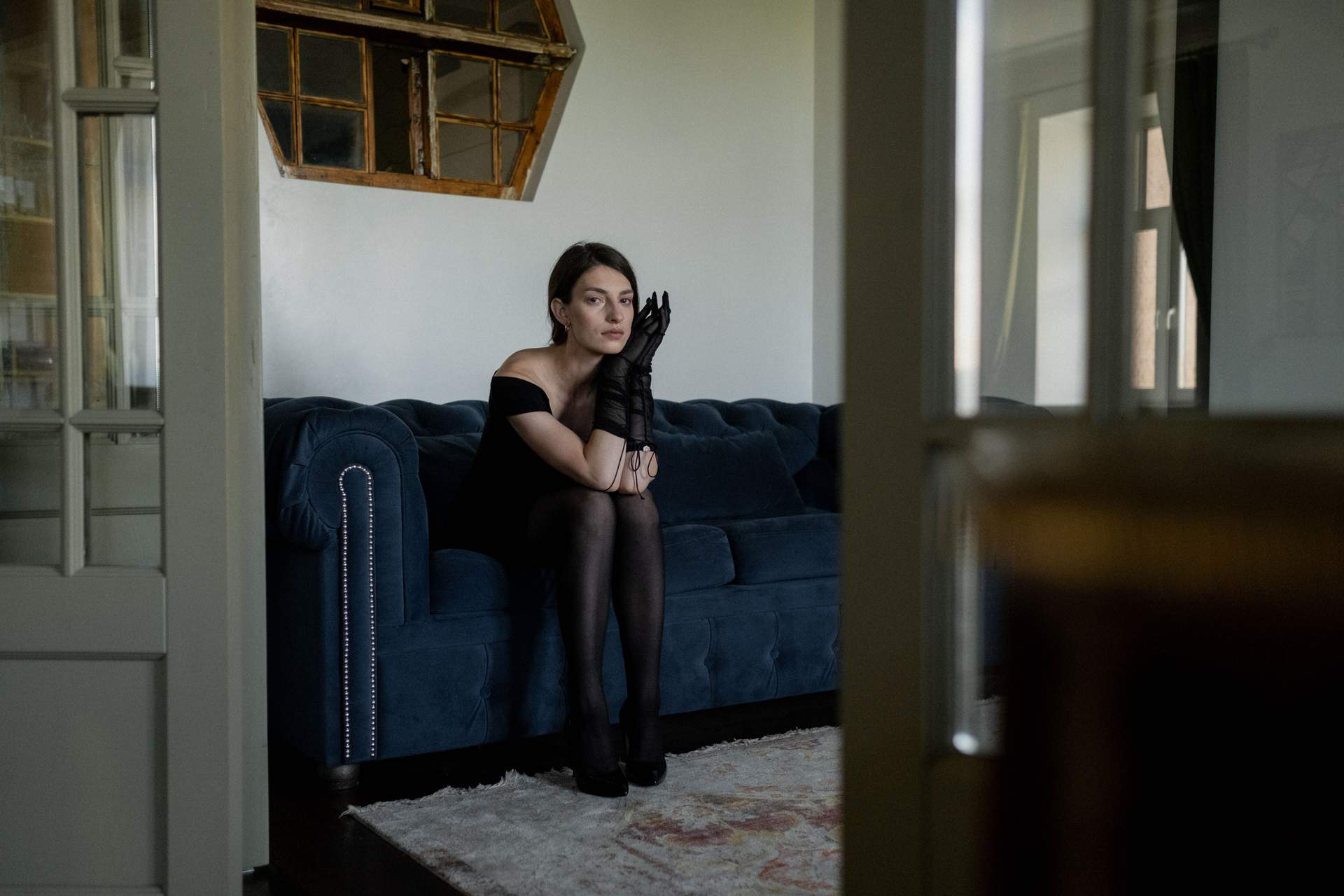
From childhood, we learn what it means to love and be loved. But what happens if this basic experience is missing? If your family overlooked, dismissed, or suppressed your feelings, it can deeply impact how you connect with others as an adult. Psychologist Jonice Webb shared her insights on childhood emotional neglect — an invisible wound that leaves a lasting mark on the soul.
This affects many people, even those who grew up in seemingly perfect families. Let’s explore the signs that show you may have lacked emotional support in childhood — and how this shapes your adult relationships.
1. You Didn’t Feel Truly Loved as a Child
Every child needs to be seen, known, and loved for who they really are. If you learned as a child to hide your feelings, your family’s love might have felt shallow — even if everything seemed fine on the surface.
Webb explains that this experience of superficial love in childhood lowers your ability to receive love as an adult. You may recognize that you’re loved but miss out on the deep, unconditional love you longed for. This can make it harder to fully accept love from others as an adult.
Example: Maybe you’ve noticed that in romantic relationships, you often watch from the outside how much you’re loved, never fully allowing yourself to feel it.

2. You Built an Emotional Wall Around Yourself
As a child, you learned to not expect love or validation — protecting yourself from disappointment. Many keep this wall as adults, which blocks deep emotional connections and often leaves a feeling that “something is always missing” in relationships.
Common signs:
- You find it hard to open up to your partner.
- You’re afraid to show when something hurts.
- You feel like you always have to initiate love or attention.

3. You Struggle to Trust Emotions — Including Love
If your feelings were rejected as a child, you might have started to see emotions as overwhelming or dangerous. Webb notes that many adults who experienced emotional neglect in childhood automatically reject expressions of love because they don’t trust that feelings are valuable. This means part of you blocks love even when it’s offered.
Common signs:
- You find it hard to believe someone truly loves you.
- You often think you don’t deserve love.
- You’ve rejected kindness because you felt “it can’t be serious.”
4. You Shut Down Emotionally
If you had to suppress your feelings as a child, you might often feel emotionally numb or empty as an adult. This blocks not only pain but also joy and love.
Common signs:
- You often feel empty inside, even during happy moments.
- It’s hard to fully experience positive feelings.
- You sense something is missing in your relationships but can’t pinpoint what.

5. You’re Afraid of Vulnerability
Vulnerability is essential for love. If you didn’t experience feeling safe to show your emotions as a child, opening up fully as an adult can feel scary.
Common signs:
- You fear that if someone sees the real you, they’ll leave.
- You struggle to initiate deep relationships or friendships.
- Intimacy often feels more threatening than joyful.
How Can You Change This?
Webb emphasizes: it’s never too late to heal.
Not getting enough love as a child doesn’t mean you’re less capable of love as an adult.
- Recognize the impact: Understand that your struggles aren’t your fault but the result of childhood experiences.
- Connect with your feelings: Allow yourself to feel every emotion — including love.
- Break down the walls: Gradually welcome intimacy and love into your relationships.
- Seek support: Therapy, supportive friends, or community groups can help your healing journey.
Healing takes time, but every small step brings you closer to the loving, fulfilling connections you’ve always deserved.