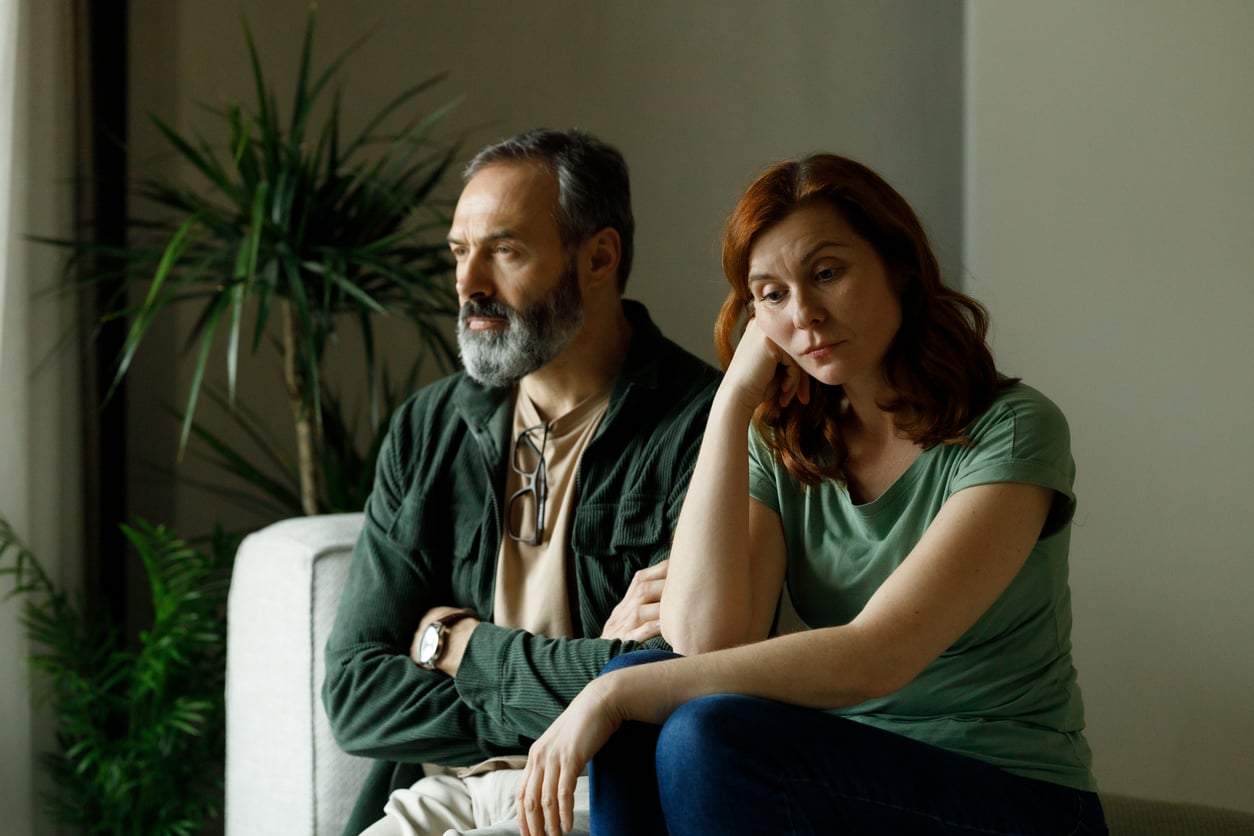
You've read the book, taken the quiz, and you know exactly how your partner needs to feel loved. So why does something still feel off? If knowing each other's love languages hasn't fixed the friction in your relationship, you're not alone — and the reason might be simpler than you think.
When love languages aren't enough
Gary Chapman's The Five Love Languages gave millions of couples a new way to understand each other. The idea is elegant: everyone has a dominant way of giving and receiving love — through words of affirmation, quality time, gifts, acts of service, or physical touch. Speak your partner's language, and they'll feel truly seen.
But many couples find that even when they consciously try to love each other in the "right" way, the relationship still doesn't flow the way they hoped. The theory works on paper — so what's going wrong in practice?
The honest answer is that love languages are a useful compass, not a cure-all. How we give and receive love is shaped by far more than a single framework can capture. Communication patterns, emotional wounds from the past, family dynamics, and the pressures of everyday life all play a role — and none of those disappear just because you know your partner prefers acts of service over gifts.
The role of self-awareness goes deeper than you'd expect
One of the most overlooked pieces of the puzzle is genuine self-knowledge. It's surprisingly common for people to connect on the surface while remaining largely unaware of their own deeper emotional needs.
When you understand what you truly need — not just what you think you should need — you can communicate it honestly. And when you're clear on your own inner world, you become far more capable of recognizing what your partner is actually asking for, even when they can't quite put it into words.
This is where emotional intelligence becomes essential. Recognizing your own feelings, naming them, and expressing them without defensiveness creates the conditions for real intimacy. Love languages work best when both people already have that foundation in place. Without it, even the most thoughtful gesture can miss the mark.
Culture and upbringing shape how love looks
There's another layer that rarely gets mentioned: the culture and environment we grew up in profoundly shapes how we express and receive affection. What feels like a natural, loving gesture in one context can feel strange or even intrusive in another.
In some families and cultures, emotions are expressed openly and physically. In others, love is shown through reliability, sacrifice, or quiet presence — rarely through words or touch. These differences don't disappear in adulthood. They show up in relationships, especially when two people come from very different emotional backgrounds.
Love doesn't look or sound the same for everyone. Recognizing and respecting that difference is one of the most loving things you can do.
What's really said between the lines
Healthy relationships aren't built on grand gestures alone — they're built on ongoing, honest conversation. Not just about what love language you prefer, but about the feelings, fears, and desires that sit beneath the surface.
The things we leave unsaid often carry the most weight. The quiet resentment that builds when a need goes unmet. The longing that never quite gets voiced. Making space for those unspoken truths — in yourself and in your partner — is what moves a relationship from functional to genuinely close.
Understanding how you each process emotions, what past experiences have shaped your reactions, and where your blind spots lie makes it far easier to find common ground, especially during the harder seasons of a relationship.
Love languages are a starting point, not a destination
Knowing your partner's love language is genuinely valuable. It opens a door. But walking through that door requires more: self-awareness, emotional maturity, mutual respect, and a willingness to keep communicating even when it's uncomfortable.
The goal isn't just to speak someone's love language — it's to understand them as a whole person. Their history, their fears, their way of seeing the world. Real closeness comes from that kind of knowing, not from a quiz result.
Investing time in understanding yourself and your partner more deeply is never wasted. In the end, it's those shared moments of recognition — I see you, and you see me — that build the kind of lasting, loving connection most of us are really looking for.