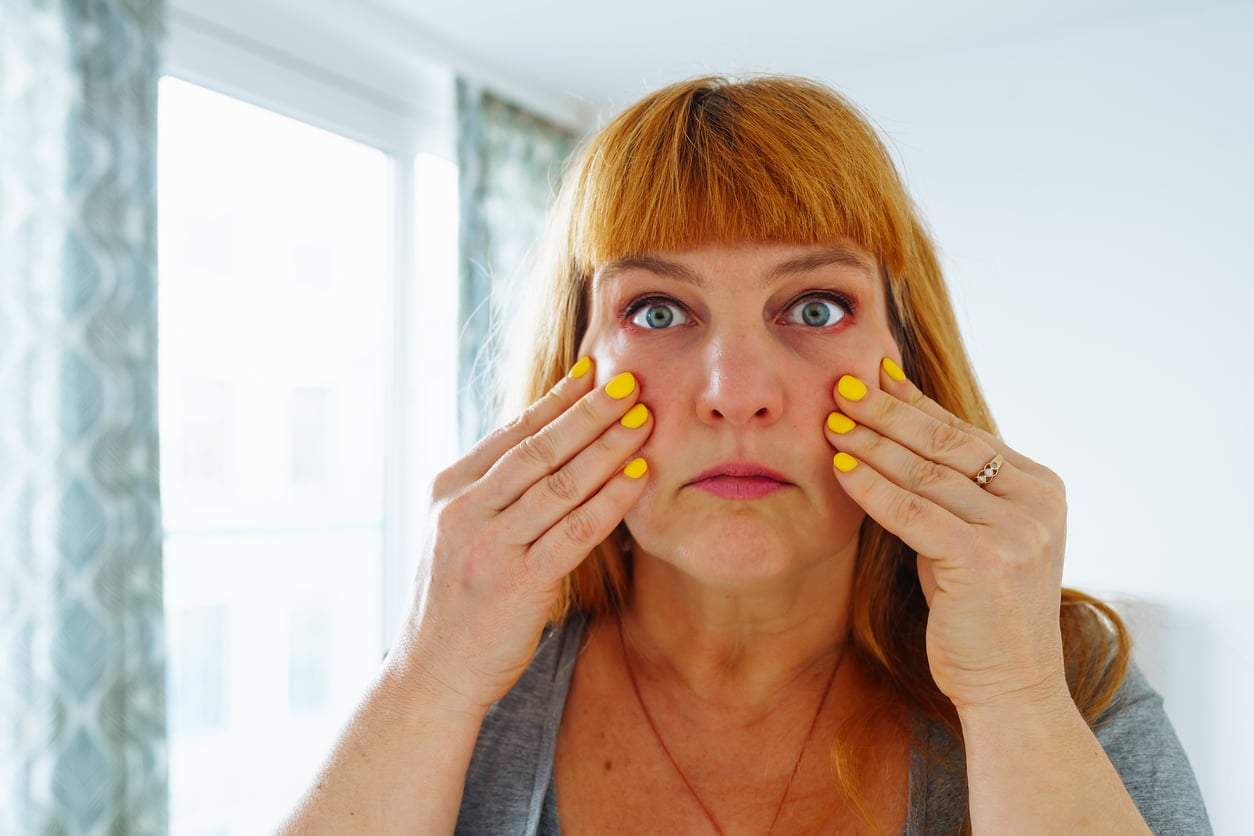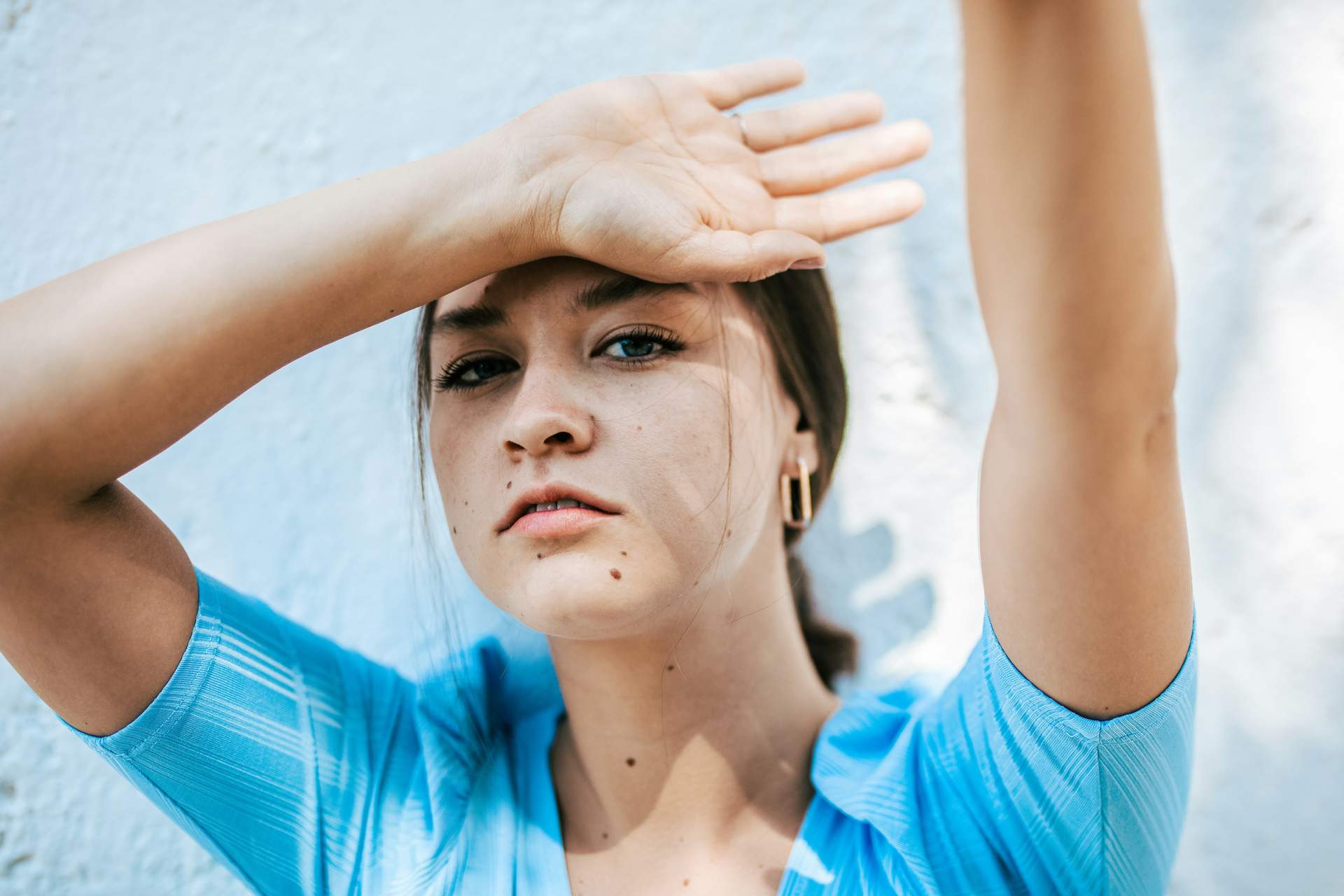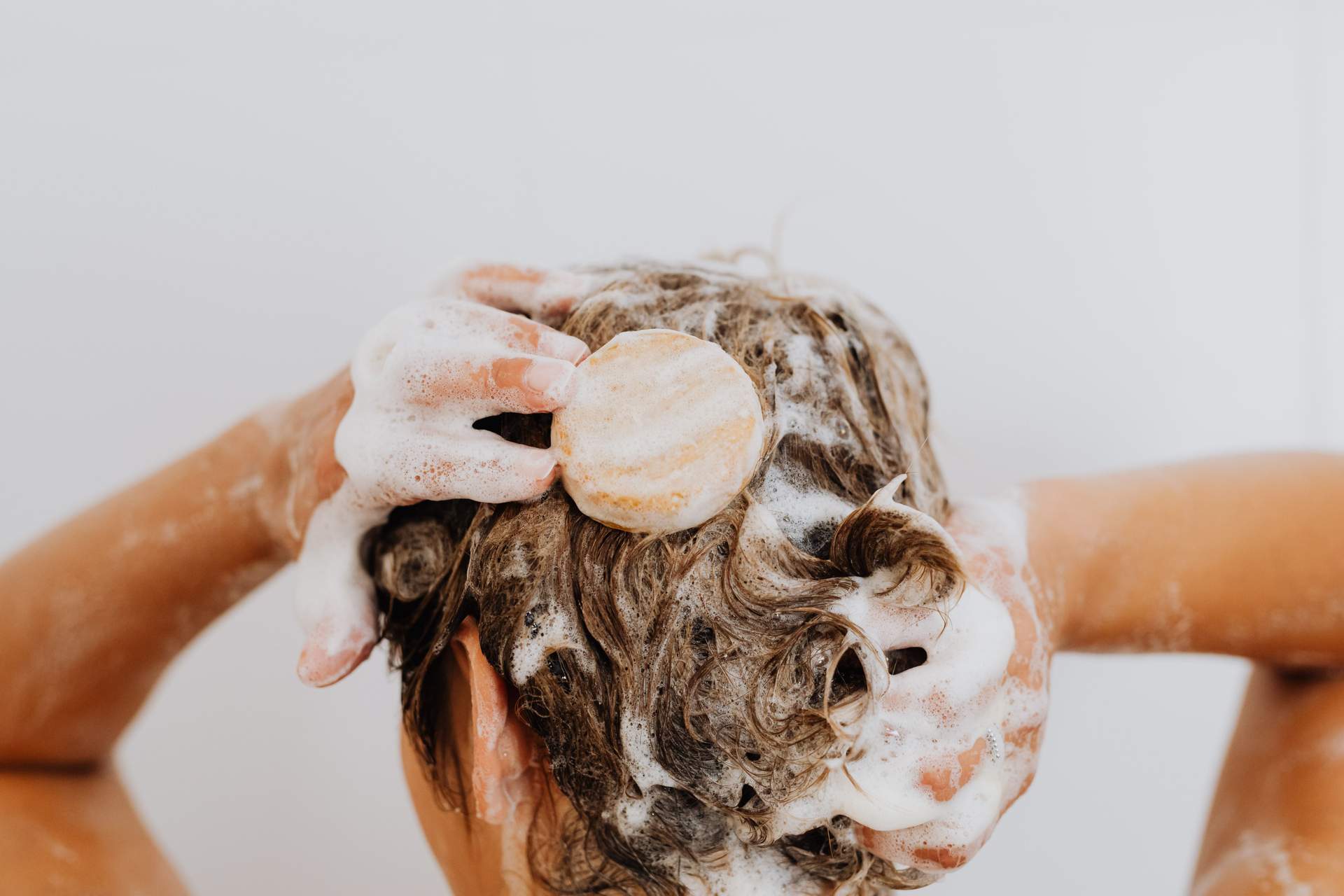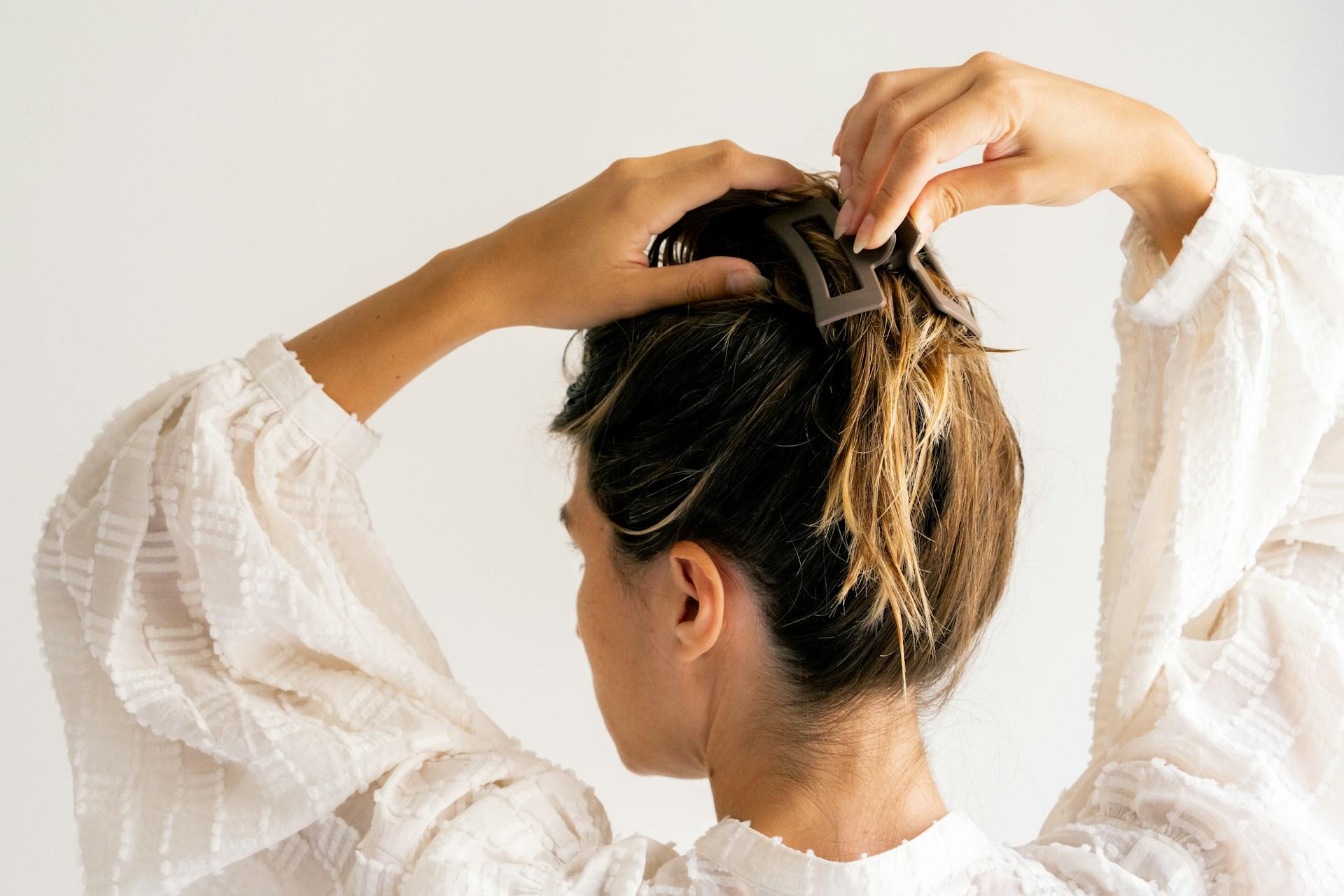
Ever ended a long day feeling like your hair actually hurts? It sounds strange, but it’s really your scalp that’s aching. Your scalp is a complex, sensitive area packed with nerves and blood vessels, making it prone to discomfort. Let’s explore the most common triggers and how you can soothe this annoying pain.
Tight Hairstyles
Tight ponytails, buns, or braids might look stylish, but wearing them too often can cause serious discomfort. The constant pulling puts pressure on your hair roots and scalp, sometimes leading to headaches or sensitivity. Try loosening up your hairstyles or give your hair a break by wearing it down or switching up your look now and then.
Stress and Tension
Stress and anxiety from modern life don’t just affect your mind—they can cause physical symptoms too. Often, stress makes the muscles in your scalp and neck tense up, leading to pain. Adding simple relaxation techniques like meditation or breathing exercises to your daily routine can help ease that tension.
Dry Scalp
Cold weather, harsh hair products, or washing your hair too often can dry out your scalp. Dry skin gets irritated easily, causing itching, pulling sensations, and pain. Try washing less frequently and switch to moisturizing shampoos and conditioners with natural ingredients that help restore your scalp’s balance.
Allergies or Irritation on the Scalp
Chemicals in hair products—like fragrances, silicones, or sulfates—can irritate your scalp. They might trigger allergic reactions with itching, redness, and pain. When trying new products, watch how your scalp reacts and switch to gentle, allergen-free options if needed.
The Impact of Hats and Caps
Hats and caps that fit tightly can block airflow and press on your scalp, causing pain and tension. Especially in cold weather, wearing a hat is key, but try choosing looser, breathable fabrics and take breaks from headwear to let your scalp breathe.
Health Conditions
Several health issues can cause scalp pain, like scalp dermatitis—a condition that leads to itching, redness, and irritation. Migraines can also spread pain to the scalp, making it sensitive. If your pain persists or worsens, it’s a good idea to consult a healthcare professional for a proper diagnosis.
In short, scalp pain can stem from many causes but is usually manageable with the right care. If it sticks around, don’t hesitate to seek expert help.