A flight can put your body to the test in many ways—dry air, little movement, and pressure changes can lead to discomfort like bloating or just feeling off. What you eat and drink before and during your flight plays a big role in how you feel. Let’s explore what to avoid and what to choose instead!
1. Foods That Cause Bloating
Travel + Leisure consulted several experts on which foods and drinks to skip before and during flights—and which options can actually support your comfort.
Dietitian Marra Burroughs points out that gas-producing foods are the worst choice before and during a flight. Beans, lentils, and cruciferous veggies like broccoli, cauliflower, or Brussels sprouts can be tough to digest on the ground—and even more so in the air, where pressure changes amplify bloating. "Avoiding these can prevent a lot of discomfort and even some awkward moments," she says.
2. Carbonated Drinks
Though tempting, nutrition advisor Amber Attell recommends skipping sodas and sparkling water on flights. The bubbles increase pressure in your stomach, making bloating worse at altitude.
Dietitian Dana Hunnes adds that cabin pressure is already lower, making us naturally prone to bloating—and fizzy drinks only add to the problem.
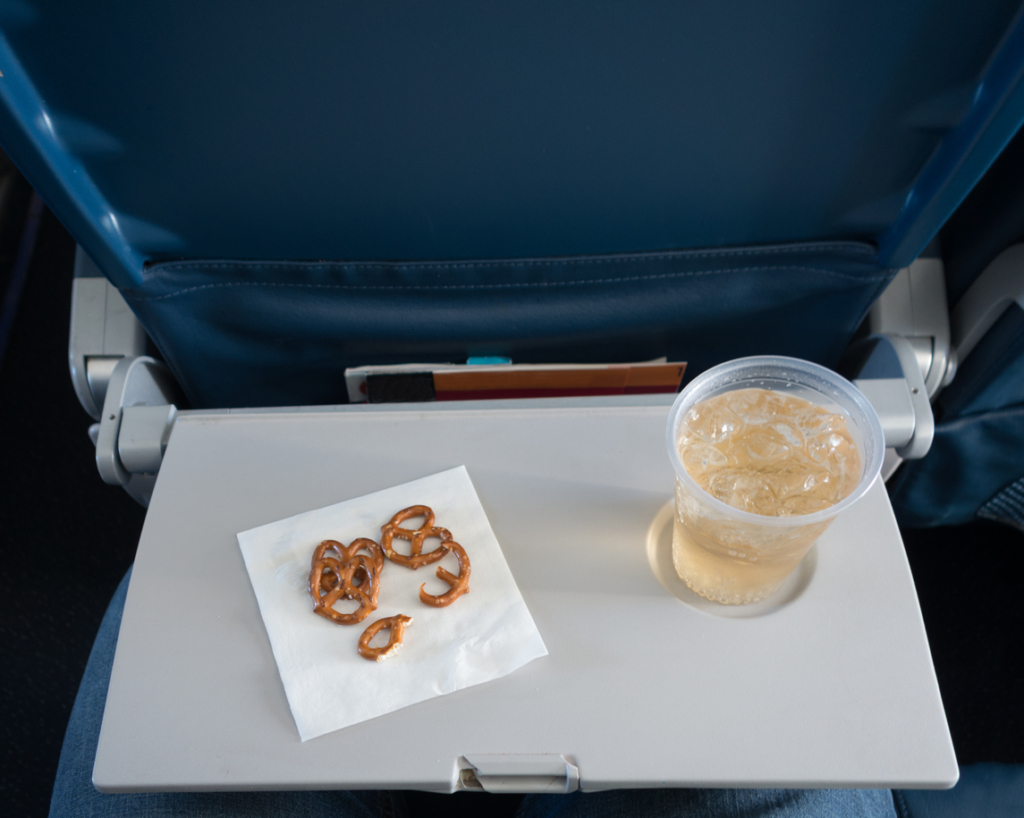
3. Salty Snacks
Airport chips and salted nuts are popular, but Burroughs warns that high salt intake can worsen swelling in your legs and ankles during long flights. Instead, pack unsalted nuts or protein-rich bites for your journey.
4. Sugary Treats
A little chocolate with your movie? Tempting, but not the best idea. Burroughs explains that simple carbs and added sugars give a quick energy spike followed by a crash—just when your body needs steady fuel.
If you crave something sweet, pair it with protein or fat—like peanut butter or a handful of nuts—to keep your energy balanced.
5. Coffee and Alcohol
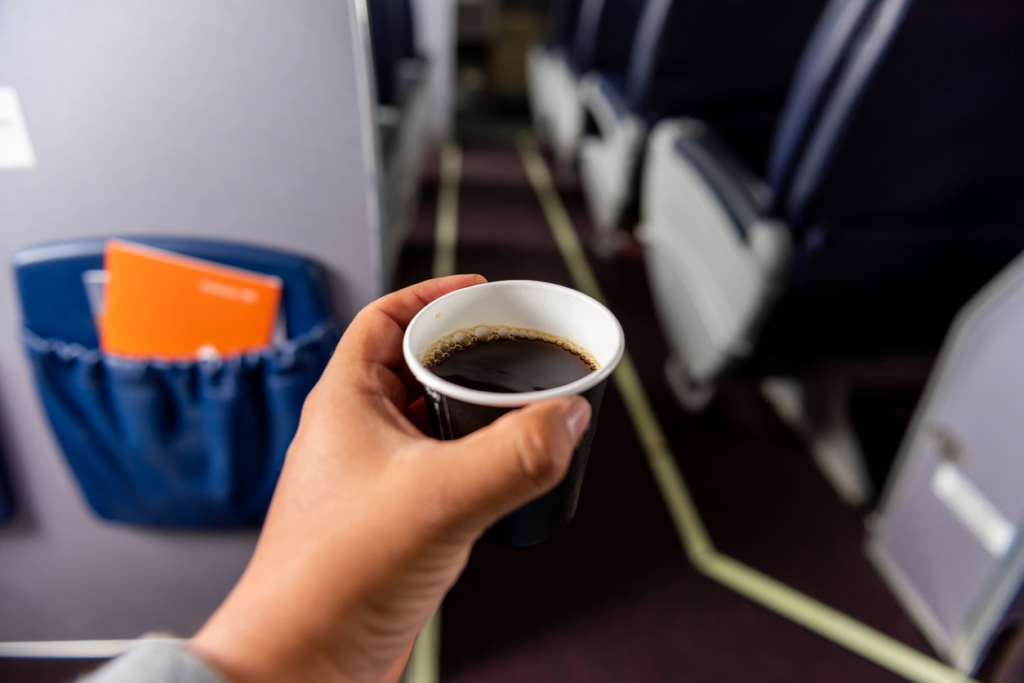
Functional nutrition advisor Elizabeth Katzman highlights that coffee and alcohol are especially poor choices on flights. The cabin air is already very dry, and these drinks only increase dehydration.
Dietitian Fiorella DiCarlo adds that alcohol can lower your blood oxygen levels, raise your heart rate, disrupt sleep quality, worsen jet lag symptoms, and even cause constipation.
6. Tap Water
It’s best to avoid tap water on planes. Hope Barkoukis, head of nutrition at Case Western Reserve University, explains that airplane water tanks aren’t always thoroughly clean, so drinking or using ice from them isn’t the safest bet. Stick to sealed bottled water during your trip.
7. Skipping Food or Drinks
Parkview Health dietitian Hannah Thompson warns that skipping meals before or during a flight isn’t a good idea. Many avoid eating to dodge bad choices or save money on airport prices, but going hours without food can increase fatigue, irritability, and slow recovery.
Choose a light, nourishing meal before you fly—think fresh salad with lean protein, avocado, or boiled eggs.
What to Choose Instead?
Experts agree that the best travel snack is protein-rich and easy to digest. Try Greek yogurt, raw almonds, or cashews, a serving of hummus with veggies, or some peanut butter with apple slices.
Attell also emphasizes staying properly hydrated during flights. Fresh fruits, vegetables, and herbal teas not only replenish fluids but are light and energizing. High-water-content foods like cucumber, celery, and apples help you arrive feeling fresh and vibrant.
Remember: flying isn’t just about surviving—it’s about arriving comfortable and energized. Avoid gas-producing, salty, sugary, fizzy, caffeinated, and alcoholic foods and drinks, and keep hydrated wherever you’re headed. It’s pure gold for your journey.