Some people remember a city by its skyline. I remember it by what I ate. Ever since I was a child, a new destination has meant more to me than monuments and museums — it has always been a little adventure in flavor, too.
As a kid, I was the one peering into pastry shop windows, scanning market stalls and eyeing the dishes being carried across restaurant terraces. That curiosity never faded. But over the years, I've become a much more deliberate traveler.
Today I travel with a gluten and dairy intolerance, so I rarely give in to a spontaneous restaurant stop or a tempting treat in a window. I've learned to do my homework, gather recommendations and pay attention to the small details. And maybe that's exactly why finding a truly great spot — or a dish I still think about months later — feels even more rewarding now.
A little planning saves you from a lot of disappointment
I used to sit down at any restaurant that looked nice, or grab whatever caught my eye at first glance. These days I approach it completely differently.
One of the most valuable lessons I've picked up from traveling is that it really pays to research ahead. One of the great advantages of the modern world is that a few minutes of scrolling can hand you a surprising amount of useful information.
Before a quick getaway or a longer holiday, I now routinely look up local specialties, restaurants and the spots that locals or seasoned travelers actually recommend.
Travel communities can be a genuine goldmine
The sources I trust most are communities where people who have actually been there share their experiences — with photos, personal stories and honest opinions.
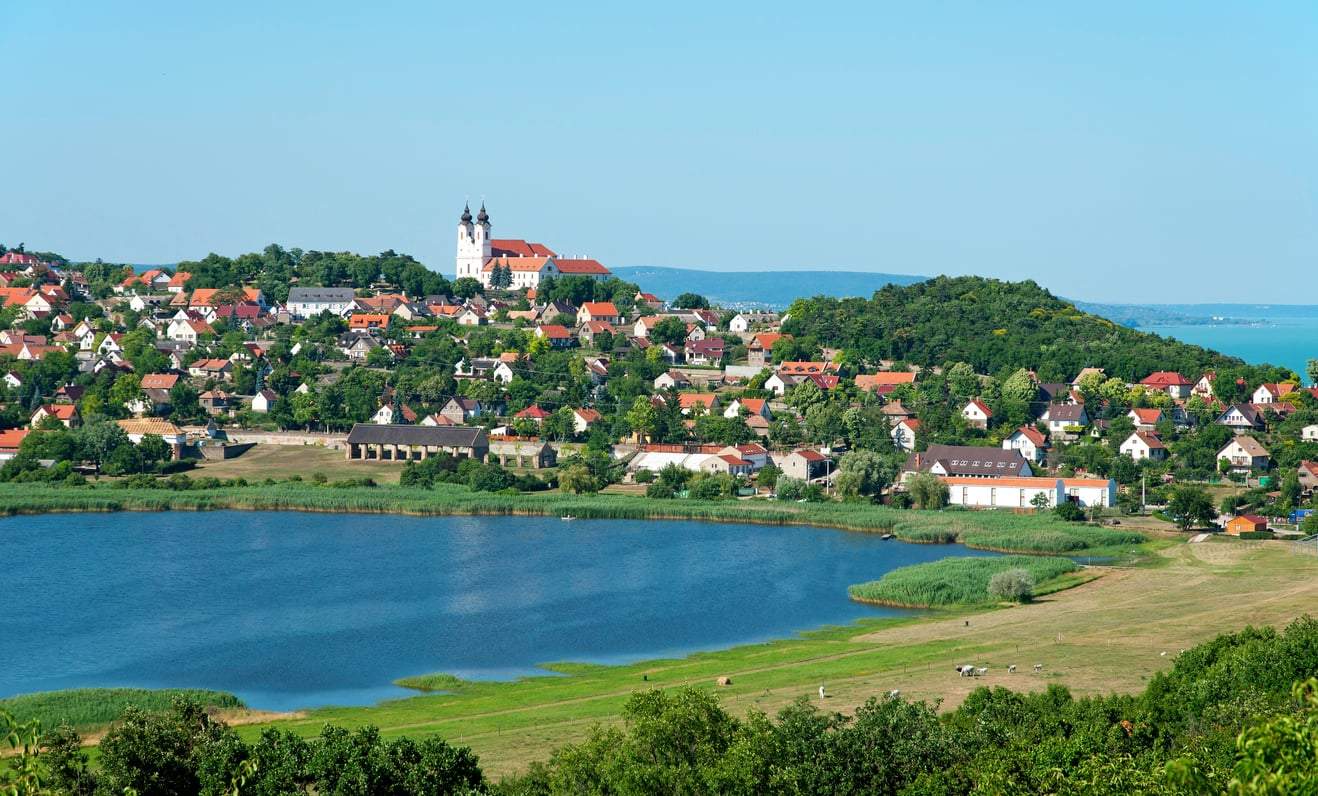
The most useful groups tend to be the ones run by people who know the region inside out. Before a trip to Lake Garda last year, for example, an online community dedicated to the area was incredibly helpful — led by a guide who knew the region well and could point us in exactly the right direction.
It wasn't only the expert tips that helped, but also the recommendations from other travelers who had just been there. They led us to places we'd probably never have found in a traditional guidebook.
Local food tours can spark real inspiration
Organized experiences where participants get to taste local dishes and drinks are more popular than ever. Because of my food intolerances, these tours rarely work perfectly for me — but if you don't have those restrictions, I recommend them wholeheartedly.
An experienced local host will often take you to family-run restaurants, bakeries, tiny grocery shops or small producers that most tourists would simply walk straight past.
And even when I don't join these tours myself, I often use the recommendations they generate as inspiration when I'm hunting for gluten- and dairy-free alternatives.
Skip the tourist traps — walk just a little further
One of my biggest realizations in recent years is that tourist-trap restaurants really do exist — the kind that lure you in with their location rather than their cooking. The places sitting right next to the busiest attractions are rarely known for authentic flavors. The bill tends to be steep, and the meal far from memorable.
That's why I now almost always read the menu carefully, check the reviews, or jot down a few possible restaurants before I even leave home. Plenty of apps and review sites make this easy.
I've also learned that it's often worth walking ten or fifteen minutes more. Just past the first tourist streets, you'll frequently find places with better value, warmer service and far more authentic flavors.
The flavors I still remember
When I look back on my trips over the past few years, a surprising number of my memories are tied to a taste.
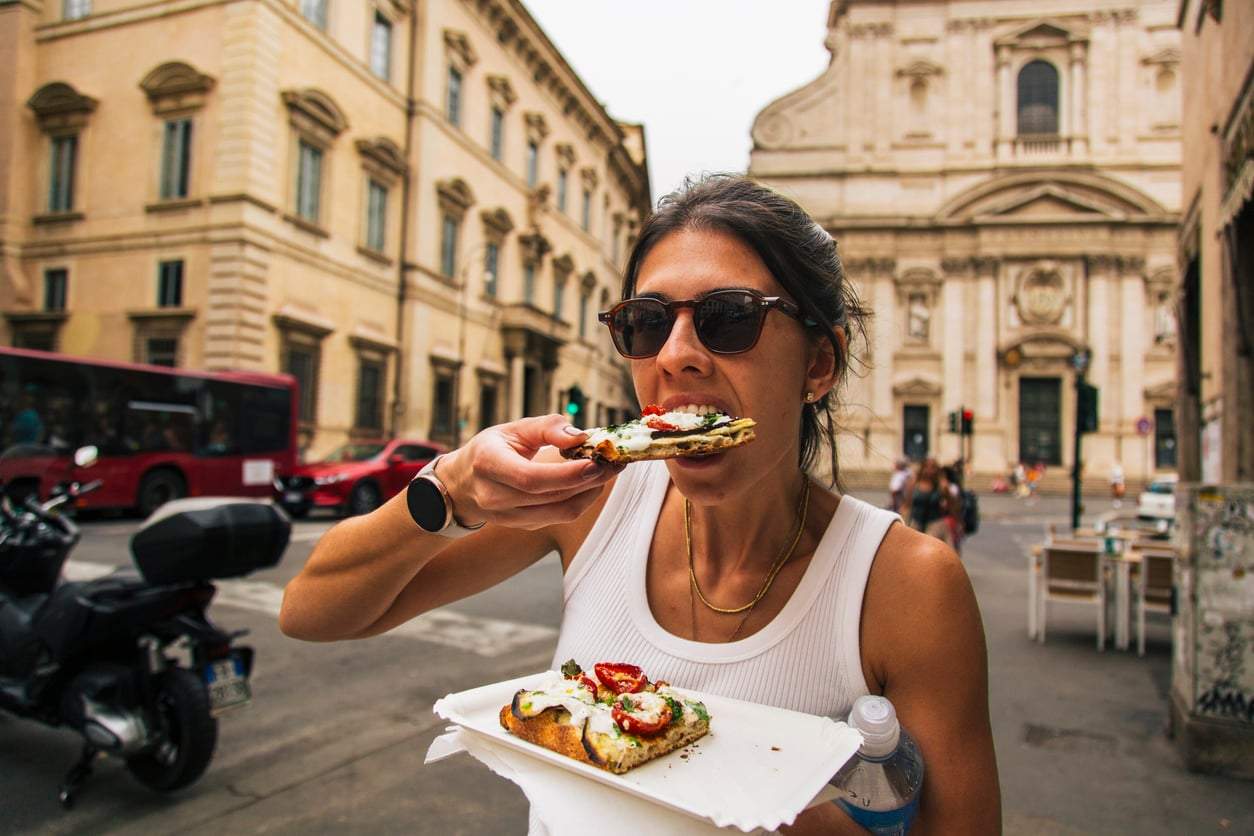
That's how I ended up eating one of the best gluten-free tuna pizzas of my life in Venice. In the same city, I had the best Aperol Spritz I've ever tried. In Grado, a heavenly minestrone left a lasting impression, and in Bratislava I stumbled on a Hungarian-style chicken thigh whose flavors carried me straight back to family lunches at home.
In Vienna, a short walk away from the Christmas market, I found an especially cozy restaurant where I could even order gluten-free pizza with plant-based cheese, generously loaded with fresh, delicious toppings. Moments like these are what remind me that food is so much more than fuel — it's culture, experience and a real connection to a place.
When, finally, I'm not rushing anywhere
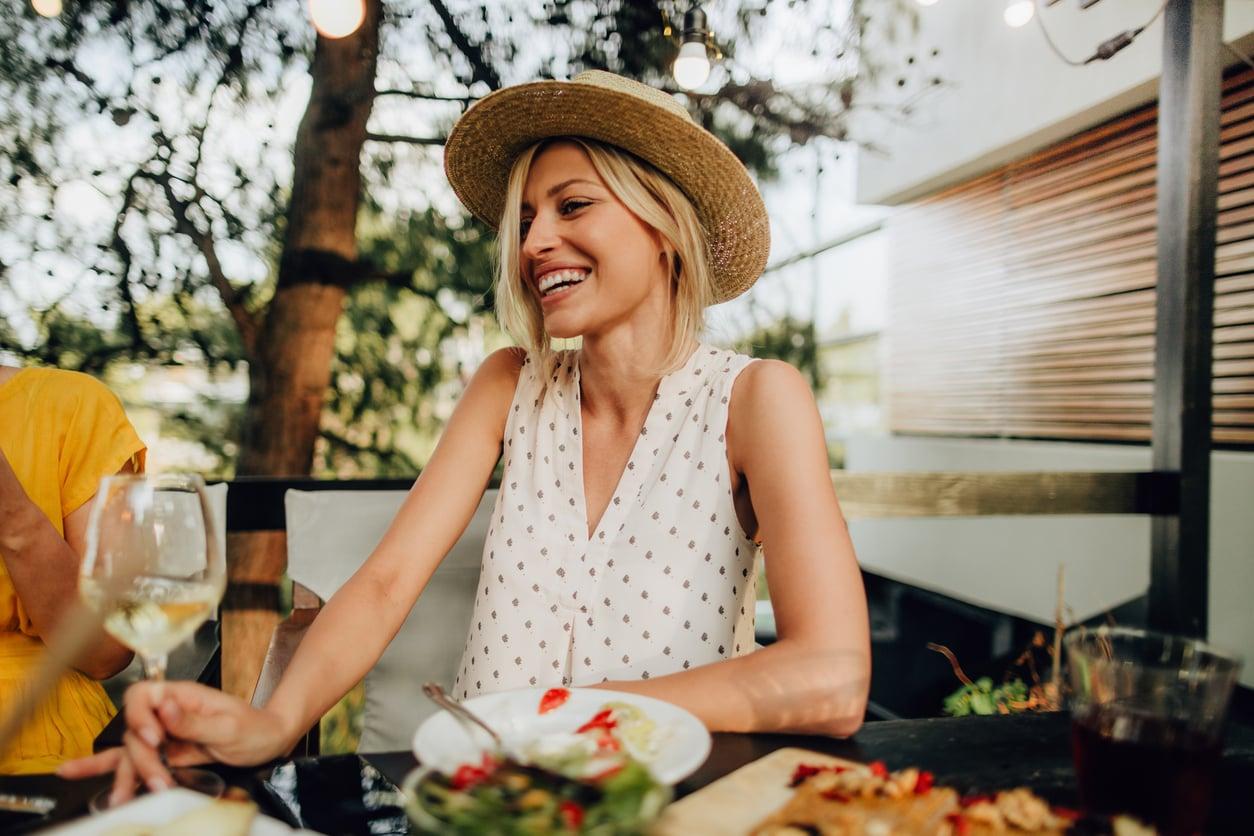
Maybe that's exactly why I love this part of traveling so much. Not the next item on the itinerary, not the checklist of sights, not the constant hurry — just the time to notice things. To look around. To sink into a small terrace. To taste something new. To chat with the locals.
These are the moments that create the memories we still carry years later.
Because a great trip isn't only about what you saw — it's also about the flavors you brought home with you.
How can I find good local food before I even arrive?
Look up the local specialties and browse travel communities where people who have actually visited share honest reviews and photos. Groups led by someone who knows the region well are especially valuable.
How do I avoid tourist-trap restaurants?
Be cautious with places right next to the busiest attractions — they often charge more for less memorable food. Reading the menu and reviews in advance, and walking ten to fifteen minutes further, usually leads to better value and more authentic flavors.
Are organized food tours worth it if I have food intolerances?
They can be trickier if you have dietary restrictions, but even then the recommendations are useful as inspiration. A local host often knows small family spots and producers most tourists never discover.
Why does travel food leave such lasting memories?
Because food is far more than fuel — it's culture, experience and a connection to a place. Slowing down to taste something new and talk with locals is often what makes a trip truly memorable.