You don't need a complete diet overhaul to eat better this spring. Sometimes, a few smart swaps are all it takes — small changes that quietly add up to a big difference in how you feel, how you digest, and how much energy you carry through the day.
Here are seven easy food substitutions worth trying right now.
Whole grain bread instead of white bread
White bread is a daily staple for many people, but swapping it for whole grain bread is one of the simplest upgrades you can make. The higher fiber content helps support digestion and keeps you fuller for longer — and because it has a lower glycemic index, it helps keep blood sugar levels more stable throughout the day.
If you've always found whole grain bread a little too dense or earthy, it's worth exploring what's out there. Today's options are far more varied and delicious than they used to be — from seeded sourdough to soft whole wheat loaves. Try a few until you find one you genuinely enjoy.
Plant-based milk instead of cow's milk
Cutting back on dairy — or simply trying something new — opens the door to a whole world of flavor. Soy milk, almond milk, and oat milk are all excellent alternatives, especially for anyone who is lactose intolerant or following a plant-based diet. They tend to be naturally lower in calories and are often fortified with calcium and vitamins, so your nutritional bases stay covered.
Each variety brings its own character: oat milk is creamy and mild, almond milk is light and slightly sweet, soy milk is rich and protein-forward. Try them in your morning coffee, smoothies, or even baking — you might be surprised which one becomes your new go-to.
Veggie chips instead of potato chips
When a crunchy snack is calling your name, it's easy to reach for a bag of potato chips — but they're often loaded with salt, oil, and very little nutritional value. Vegetable chips are a genuinely satisfying alternative. Made from beetroot, carrot, or sweet potato with minimal processing, they deliver real crunch along with a solid dose of vitamins and minerals.
Look for artisan versions at farmers' markets or specialty shops if you want to avoid additives — or make your own at home. A mandoline slicer, a light drizzle of olive oil, and a low oven are all you need. Homemade veggie chips let you control exactly what goes in, and they taste even better than the packaged kind.
Quinoa or bulgur instead of white rice
Rice is a kitchen staple in most households, and there's nothing wrong with it — but if you're looking to mix things up, quinoa and bulgur are both worth adding to your rotation. Both are richer in fiber, protein, and essential nutrients than white rice, which means they keep you satisfied for longer and offer more nutritional value per bite.
Quinoa stands out for its complete amino acid profile, making it a favorite among those eating less meat. Bulgur brings a gentle, nutty flavor that works beautifully in salads and side dishes. Both are quick to prepare and versatile enough to work as a base, a side, or even a hearty breakfast bowl.
Smoothies instead of fruit juice
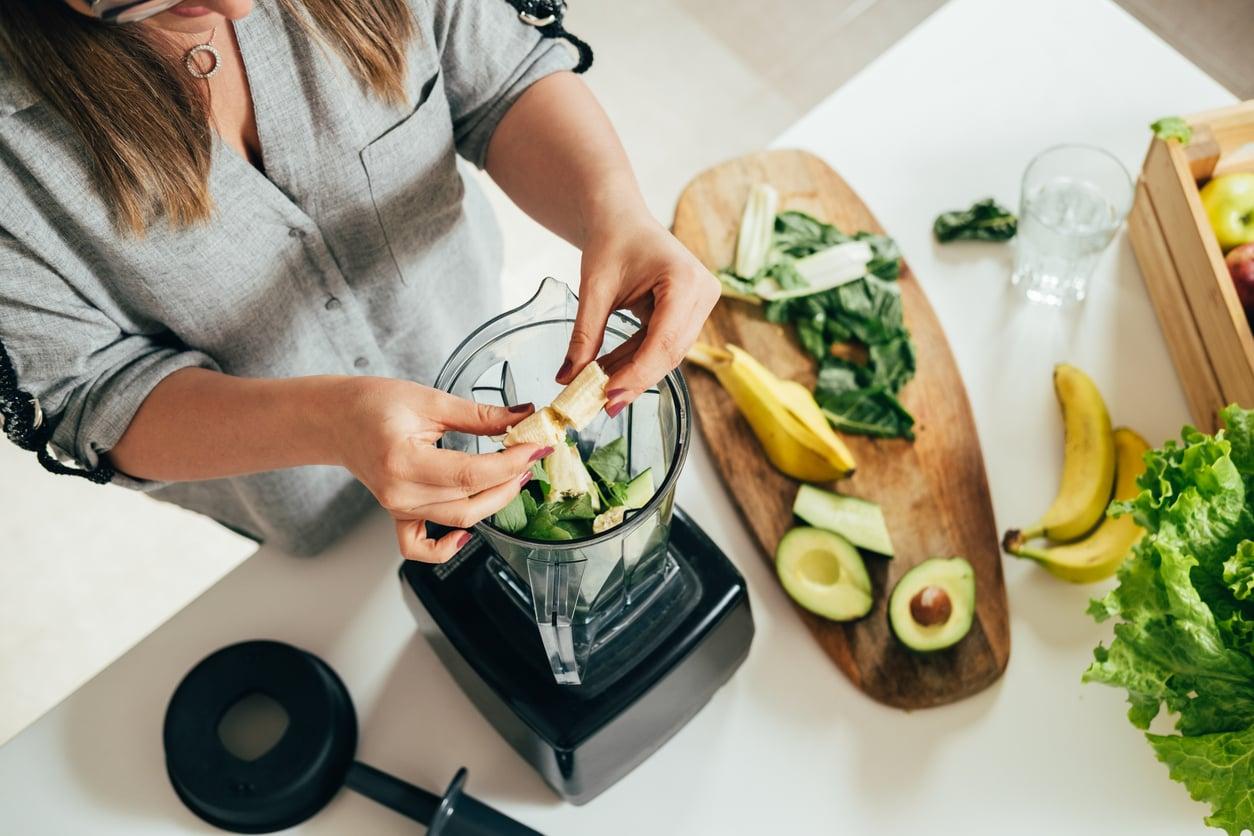
Fruit juice can feel like a healthy choice, but it loses most of its fiber during processing — and fiber is exactly what helps you feel full and supports healthy digestion. Smoothies use the whole fruit, so you get everything: the vitamins, the minerals, and the fiber that makes a real difference.
To take it further, try adding a handful of spinach or kale to your smoothie. You'll barely taste it, but you'll get a significant nutritional boost. A well-balanced smoothie makes a great mid-morning snack or afternoon pick-me-up that keeps your energy steady — no sugar crash included.
Grilled or steamed chicken instead of fried
Fried chicken is undeniably delicious, but spring is a natural moment to lighten things up. Grilling or steaming chicken preserves its natural juiciness and flavor while cutting out the excess fat and oil that comes with frying.
What you lose in batter, you can more than make up for with seasoning. Fresh herbs, citrus zest, garlic, and spices can transform a simple grilled chicken breast into something genuinely exciting. Experiment freely — this is where healthy eating gets creative rather than restrictive.
Fermented vegetables as a probiotic boost
Probiotics are getting a lot of attention in nutrition right now — and for good reason. They play a key role in maintaining a healthy gut, which in turn supports immunity, mood, and overall wellbeing. Instead of reaching for sugary flavored yogurts, try incorporating fermented vegetables like kimchi or naturally fermented pickles into your meals.
These foods are natural probiotic powerhouses, and they add a bold, tangy dimension to your plate. A small portion alongside your main meal is an easy, low-effort way to give your gut health a meaningful upgrade — no supplements required.
These swaps might seem small at first glance, but over time they can have a surprisingly significant impact on how you feel day to day. The best part? You don't have to do them all at once — even one or two changes can set you on a better path.