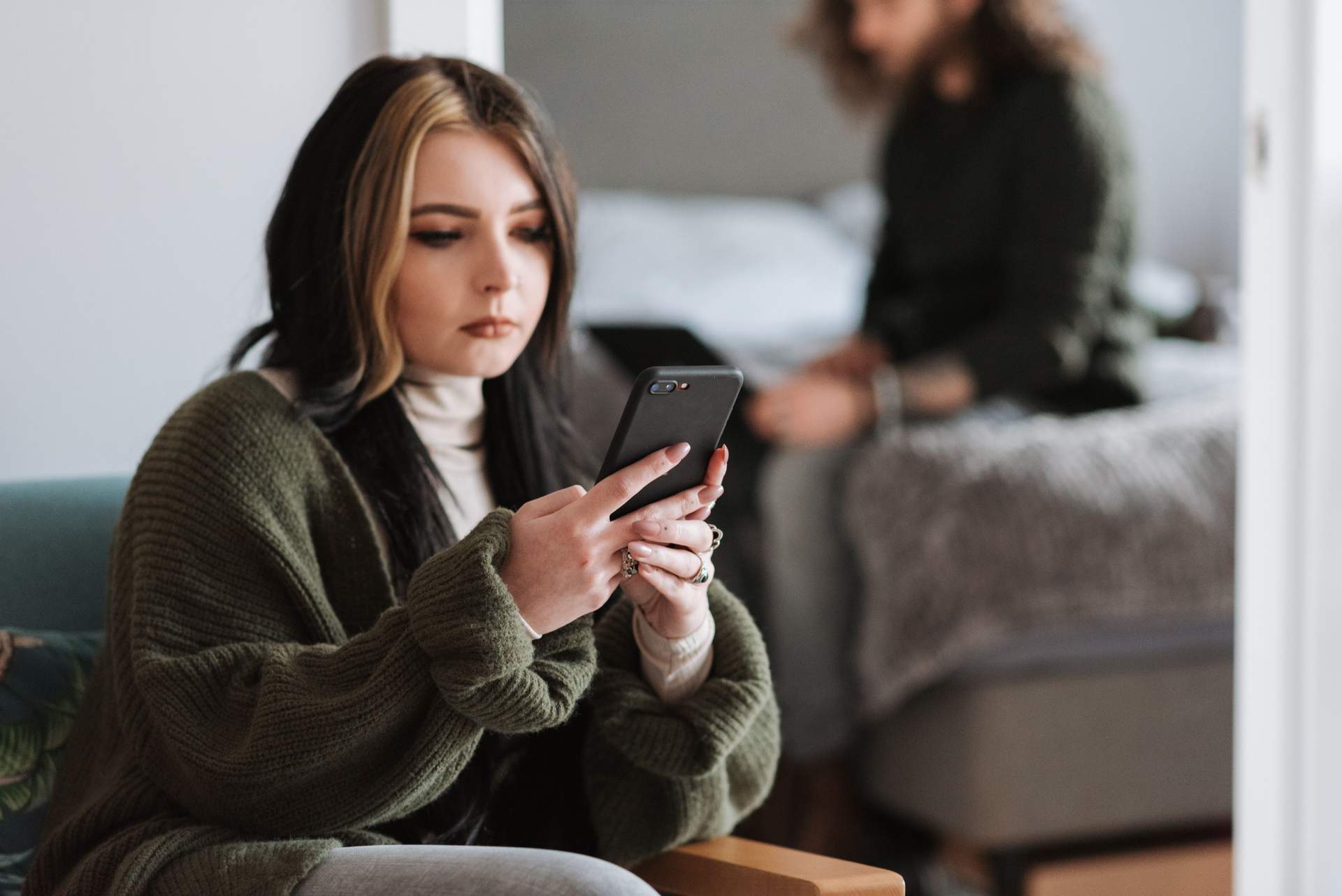
My phone lit up on the nightstand while I was getting up for a glass of water. I'm not someone who reads other people's messages — I've never been that person. But the screen glowed on its own, and there it was: a name I'd never heard before. Reni. Below the name, a photo had loaded. My partner was standing next to a woman and a small boy, all three of them smiling. The caption underneath read: "Our little family. Wish every weekend could be like this."
Everything unraveled from a single message
I stood barefoot on the cold kitchen tiles and didn't move for several minutes. I didn't cry. I didn't scream. I just stared at the screen as if I was waiting for some kind of error message to appear. There was no error.
When I scrolled back through the conversation, I could see that Reni had been messaging him for months — and he hadn't been responding the way you respond to an old acquaintance. Not even close.
We had been together for six years. In that time, I learned how he takes his coffee, which side of the bed he sleeps on, the particular way he goes quiet when he's exhausted. I thought I knew every part of him. That night, I realized he had an entire parallel life — a whole other story running alongside ours that I knew absolutely nothing about.
The next morning, we both pretended everything was fine
I didn't say a word the next morning. I made coffee the way I always did. He walked into the kitchen, kissed me, and asked if I'd slept well. I nodded. I still don't fully understand why I didn't confront him right there — maybe because some part of me was still hoping there was a reasonable explanation.
I went through the motions of a workday, sitting in front of my laptop without seeing any of it, just mentally retracing six years, trying to figure out when it could have started.
What hurt most wasn't the lying itself. It was that through all of it, he looked at me with the same tenderness as always.
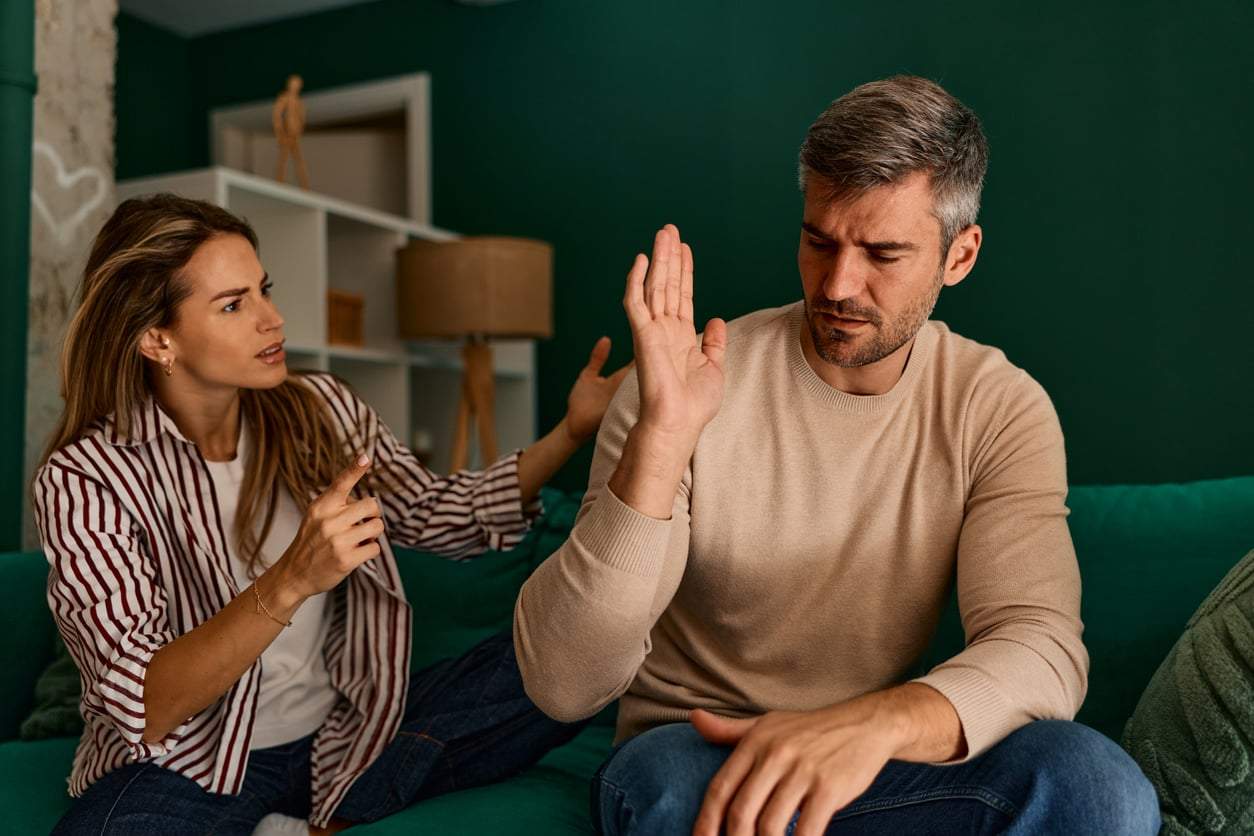
That evening, when he got home, I placed his phone face-up on the table with the conversation open. My voice was unnervingly calm — like someone else was speaking through me. I asked him who she was. First he denied it. Then he tried to minimize it. Finally, when he understood I'd seen everything, he shifted to explaining — this isn't what it looks like, they were just talking, nothing physical ever happened. All I could see was that photo.
The affair had been going on far longer than I imagined
The days that followed are a blur. I remember sleeping on the couch. I remember my sister coming over and just sitting with me while I cried, not saying much, just being there. And I remember obsessively searching for what I had done wrong — what I hadn't given him — even while knowing, in the rational part of my mind, that this framing was itself a trap. It wasn't my fault that he chose to live two lives at once. I knew that. But I spent days chewing on it anyway.
When we finally sat down and talked — really talked — it came out that the emotional connection with her had started far earlier than I'd assumed. Not physical from the beginning, but emotionally? She was already there when we moved into our apartment together. She was there when we picked out curtains. She was there when we celebrated anniversaries in front of our friends. Our entire shared story had been running on a parallel track alongside something else — something I had no idea existed.
When I stopped trusting even old photographs
Months later, there are still moments when an old photo surfaces in my phone's memories and I find myself studying it — scanning faces, backgrounds, expressions — looking for something I might have missed. There's usually nothing there. Of course there isn't. But my trust was broken so thoroughly that even the most innocent images feel suspicious in hindsight.
I don't know how to wrap this story up neatly, because honestly, it doesn't have a clean ending. There's an empty apartment I now live in alone. There's a pile of shared memories I can't bring myself to delete. And there's a question that comes back every single night: Did I genuinely not notice anything — or did I just not let myself look?
Is it normal to blame yourself after being cheated on?
Yes, and it's one of the most common responses — but it's also one of the most damaging. Searching for what you "did wrong" is a natural coping mechanism, but infidelity is a choice made by the person who cheats, not a consequence of their partner's shortcomings.
How can emotional infidelity be just as painful as physical cheating?
Emotional affairs involve a deep, sustained intimacy — shared secrets, private jokes, a sense of being truly seen by someone else. For many people, discovering that kind of bond existed in parallel with their own relationship feels like an even deeper betrayal than a purely physical one.
What do you do with shared memories after a relationship ends this way?
There's no single right answer. Some people need distance from everything — photos, places, objects. Others find that the memories themselves aren't ruined, even if the relationship was. What matters most is giving yourself time to feel whatever comes up, without forcing a resolution before you're ready.
Can you ever really know if you missed the signs?
Sometimes signs exist in hindsight that simply weren't visible in the moment — especially when a partner is deliberately hiding something. Wondering whether you "should have known" is normal, but it's rarely a fair question to ask yourself. People who deceive their partners often work very hard to prevent exactly that.