Over the past few years, we’ve quietly learned to associate healthy eating with exotic ingredients from far away. The more unusual the food, the more we tend to believe it’s a "miracle cure" that will solve all our problems. But the truth is much simpler—and friendlier to your wallet.
The real power of superfoods isn’t about how many miles they’ve traveled (in fact, quite the opposite), but that they reach our plates fresh and in tune with nature’s rhythm. The good news? You can find all those nutrients we often pay a premium for right here at home. Only these don’t have trendy English names—they’re familiar staples—often from our grandmothers’ kitchens.
Why Does Seasonality Matter So Much?
Seasonal ingredients are especially valuable because they pack the most vitamins and minerals when naturally ripe. Locally grown fruits and veggies aren’t just fresher—they’re often nutrient powerhouses compared to imported goods that have traveled for weeks.
There’s another perk we don’t talk about enough: familiar flavors are easier for most people to enjoy regularly. Local ingredients are more likely to become everyday staples instead of gathering dust on the back shelf.
Instead of Goji Berries: Rose Hips
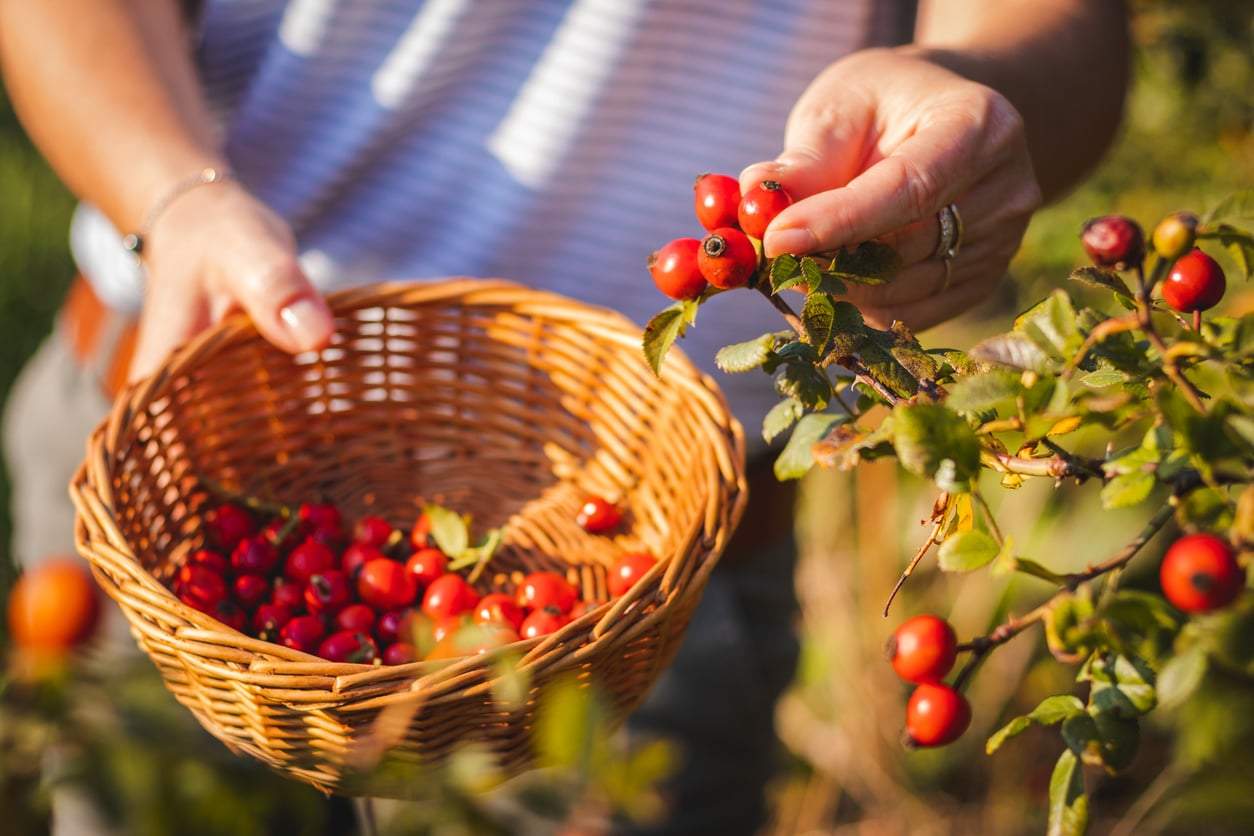
Rose hips easily match the antioxidant reputation of goji berries. They’re packed with vitamin C, especially when steeped slowly rather than steeped in boiling water. Enjoyed as tea, they become a true immune booster and a natural way to help prevent illness! Rose hips also work well as jam or dried fruit. No wonder they used to be a winter staple when fresh fruit was scarce. What we now call superfoods were once simple, often free, everyday foods for our grandparents!
Instead of Acai Berries: Black Currants or Sour Cherries
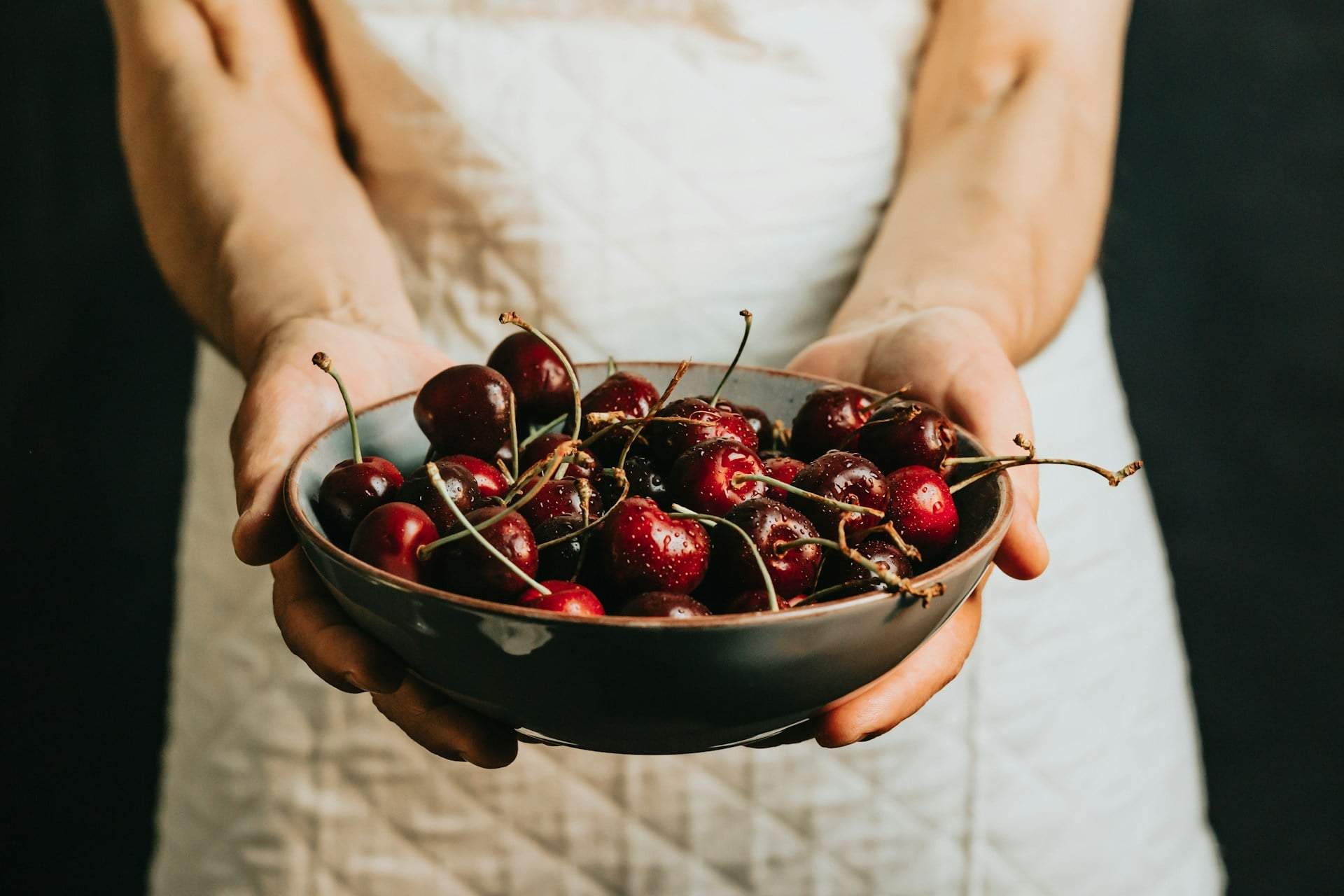
Acai berries became popular for their antioxidants, but black currants or sour cherries are excellent alternatives. These dark fruits are loaded with anthocyanins, known for their cell-protective effects. Plus, they keep their benefits when frozen, so you can enjoy them year-round. Use them in smoothies, oatmeal, or desserts just like their exotic counterparts.
Instead of Quinoa: Buckwheat
It’s worth rediscovering buckwheat instead of quinoa. It’s also gluten-free, protein-rich, filling, and versatile. Buckwheat shines in salads, one-pot meals, or breakfasts, adding a pleasantly distinct flavor.
Thanks to its high rutin (polyphenol) content, it supports circulation, and its fiber keeps you satisfied. It’s not a new ingredient—just one that faded from view for a while. Now it’s time to give it the spotlight again!
Instead of Chia Seeds: Flaxseeds
If you picked chia seeds for their omega-3s, it’s time to switch: flaxseeds offer almost the same nutritional benefits. They’re rich in essential fatty acids, easy to digest when ground, and super versatile in the kitchen. Add them to porridges, smoothies, baked goods, or savory dishes. Mixed with water, they form a gel that’s often used as an egg substitute in vegan baking. Plus, they’re perfect if you want a lighter, healthier snack. Affordable, local, healthy, fiber-rich, and surprisingly adaptable—hard to beat!
Instead of Imported Nuts: Local Walnuts
Instead of exotic nuts like cashews, macadamias, or pecans, stick with local walnuts. They’re rich in heart-healthy fats, support brain function, and are nutrient-dense. Plus, they’re easy to find and much more affordable! Local walnuts are packed with vitamin E, magnesium, and antioxidants, supporting both cardiovascular and nervous systems. Regular, moderate consumption may help reduce inflammation and maintain hormonal balance.
Instead of Kale: Savoy or Green Cabbage
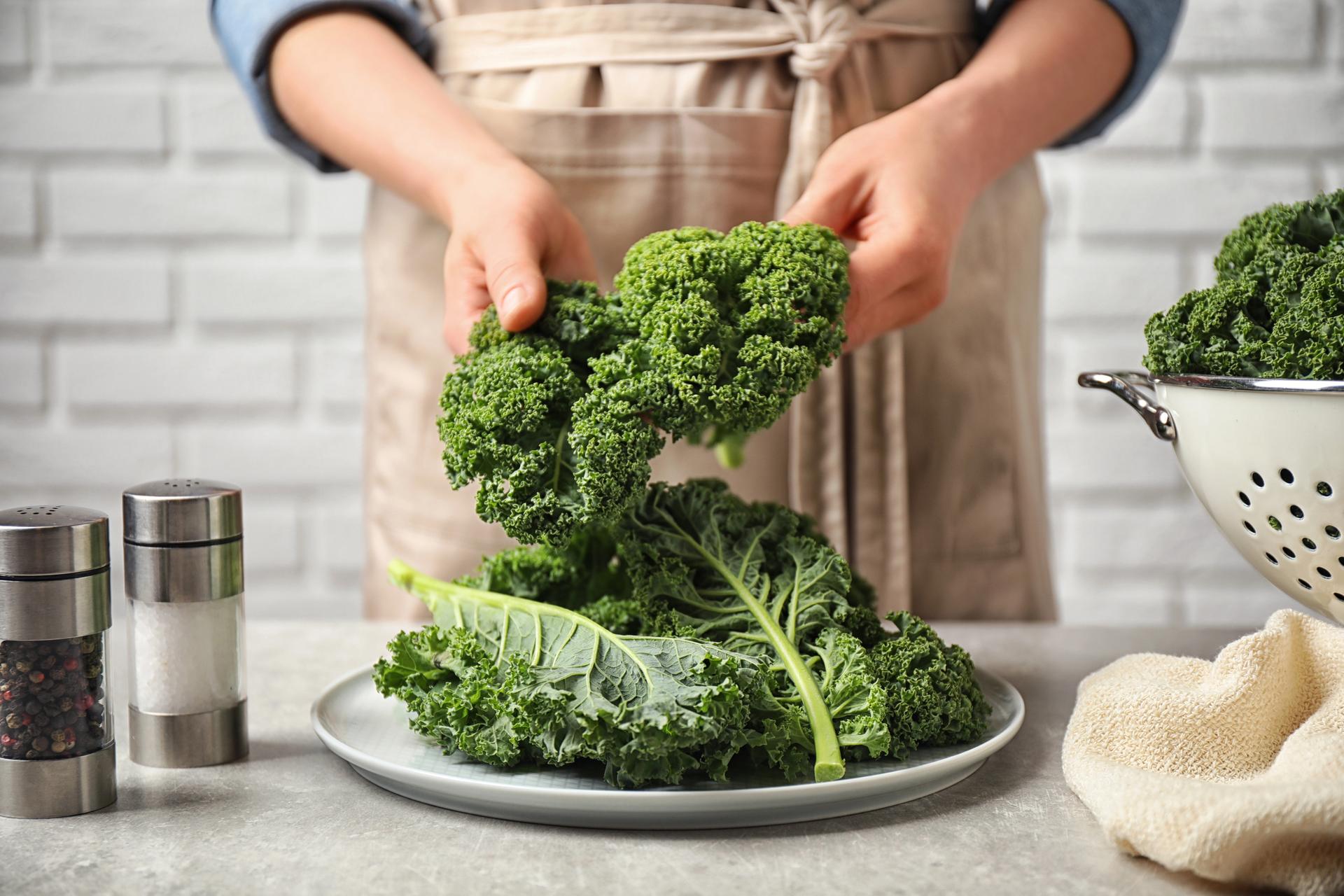
The “kale craze” started in America, and while kale grows here too, it’s often an expensive imported item out of season—and still rare. Nutritionally, savoy cabbage offers almost the same benefits and is widely available locally. If price and practicality matter most alongside health, fermented green cabbage is one of our strongest natural probiotic sources. It supports digestion and gut flora in ways most supplements can’t match!
Healthy eating works not by chasing every new trend, but by building routines that fit sustainably into your daily life. Local, seasonal ingredients are reliable partners in this: nourishing, familiar, and best of all, more affordable.