Some foods only taste like this for a few short weeks a year. July is one of those windows — when cherries burst with sweetness, tomatoes actually taste like tomatoes, and the fruit bowl practically glows.
This is the moment to cook with the season instead of against it. The produce is riper, cheaper and more flavorful right now than at any other time of year. Here are nine ingredients worth reaching for while they're at their best.
Cherries: sweet, juicy and surprisingly good for you
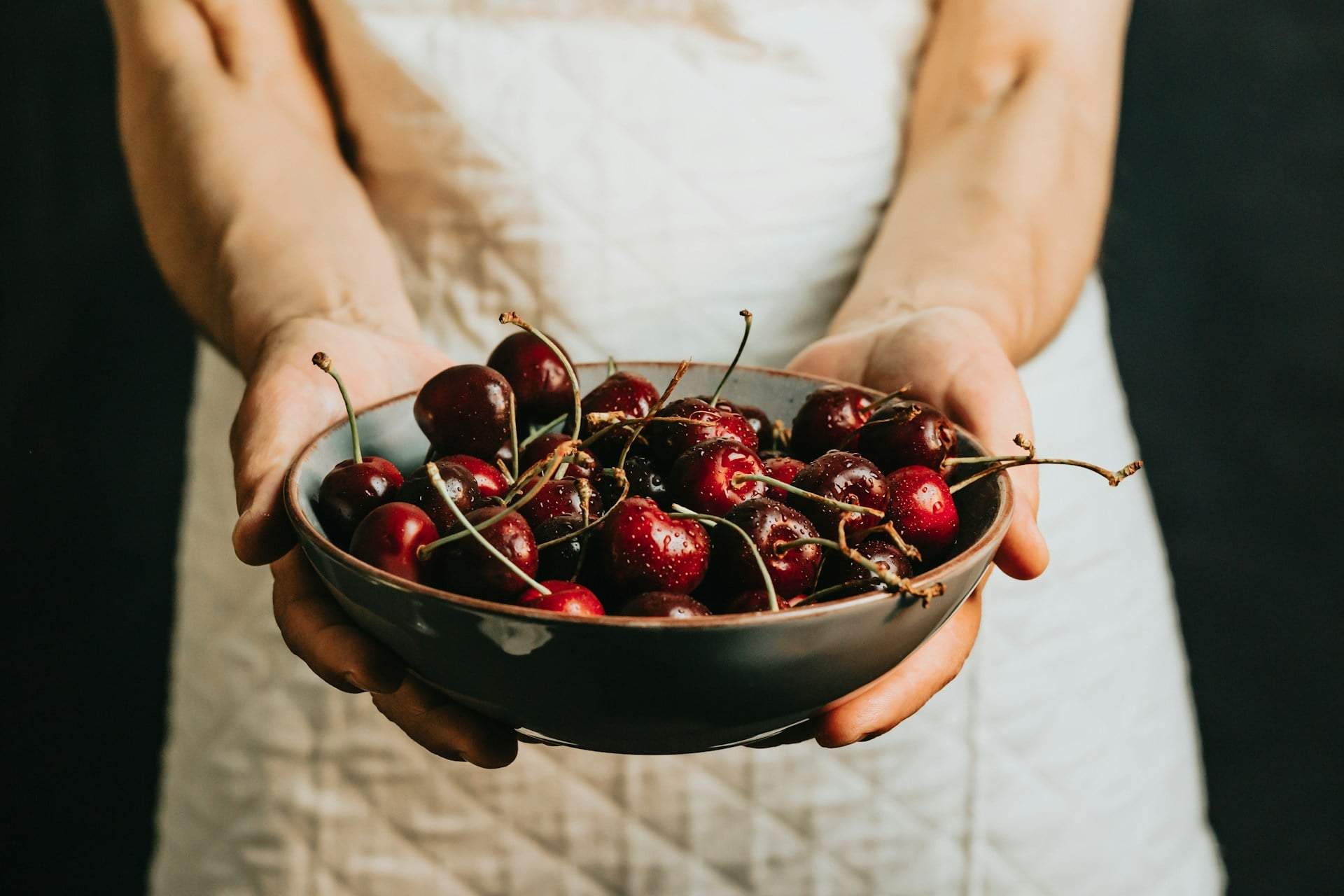
Cherries are one of July's biggest joys — the kind of fruit that disappears from the bowl faster than you can wash it. They shine on their own, but they also work beautifully in cakes, salads and even cocktails.
Beyond the flavor, cherries are packed with antioxidants that help neutralize free radicals and protect the body. They're also naturally anti-inflammatory and contain melatonin, which supports better sleep.
If the summer heat or stress is keeping you awake, a handful of cherries after dinner can genuinely work wonders.
Tomatoes: the taste of summer on a plate
Few ingredients capture summer quite like a ripe tomato. Midsummer is when they're at their most flavorful and fragrant, so this is the perfect time to play with as many varieties as you can find — cherry, cocktail or big beefsteak, each with its own character.
They're as good for you as they are delicious. Tomatoes are rich in vitamin C, lycopene and other antioxidants that help strengthen the body's defenses.
Toss them through salads and sandwiches, grill them, or even enjoy them as a drink. Their clean, simple flavor pairs with almost anything.
Eggplant: the vegetable with a thousand faces
Eggplant is one of those vegetables you can turn into almost anything — grilled, roasted, steamed or stuffed. It makes a great side dish or a satisfying main, and because its flavor is so mild, it takes on whatever you cook it with.
It's also low in calories, which makes it a smart choice if you're eating mindfully. Its high fiber content supports digestion and helps you stay full for longer.
Raspberries: the little jewels of summer
Ripe raspberries in midsummer are a feast for the eyes as much as the palate. They're low in calories yet loaded with vitamins, minerals and — like all berries — plenty of antioxidants that quietly support your health.
Eat them straight from the punnet, or stir them into yogurt, smoothies and desserts. For something a little special, drop a few into a chilled summer lemonade with a sprig of mint — it's guaranteed to refresh.
Zucchini: the endlessly versatile vegetable
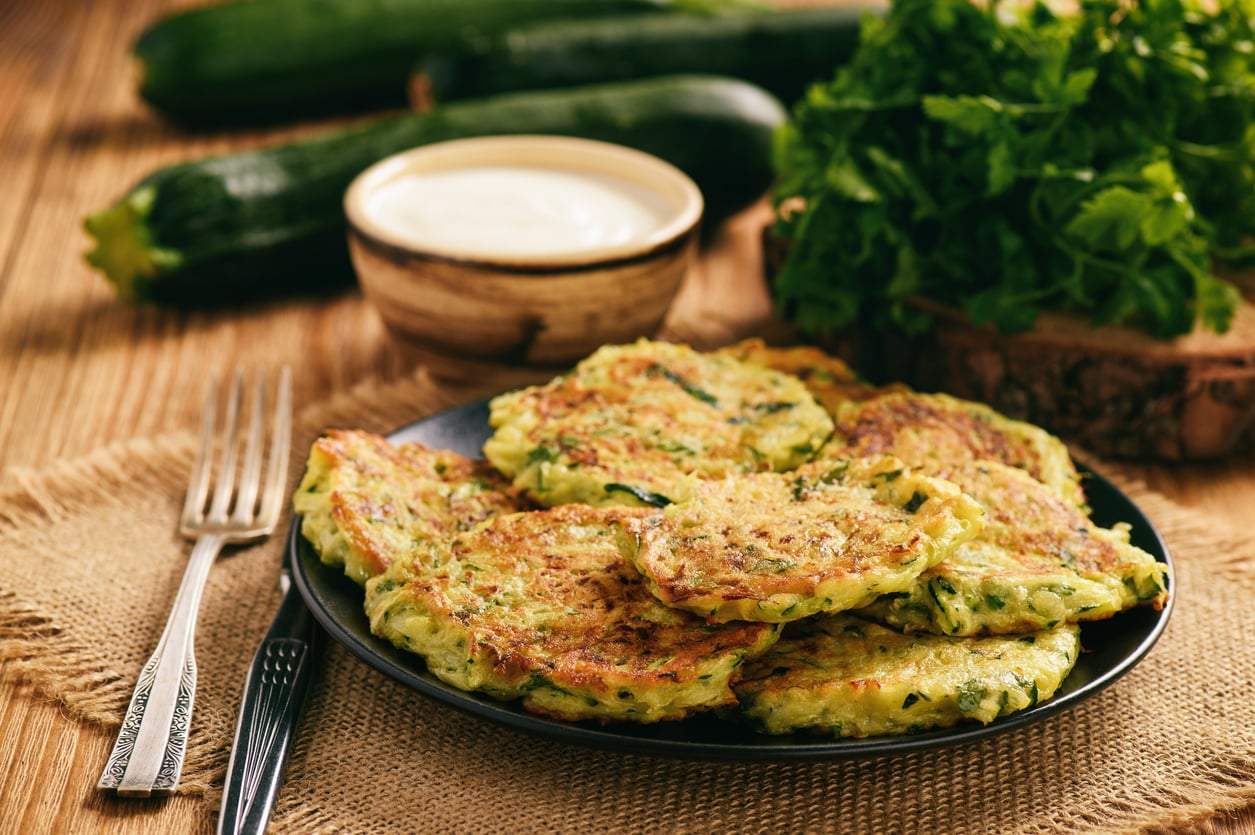
In July, zucchini is at its freshest and crispest, which makes it perfect for experimenting in the kitchen. Its gentle flavor works beautifully in salads, and it's just as happy stuffed, roasted or grilled.
Zucchini is rich in vitamins — especially vitamin C, a powerful antioxidant that supports the immune system. Its low calorie count also makes it a favorite for anyone watching their intake.
A simple but crowd-pleasing option is stuffed zucchini, which you can season however you like for a dish that feels completely your own.
Cucumber: summer's coolest vegetable
When the heat peaks, cucumber becomes one of the most sought-after vegetables around, thanks to its high water content. It's perfect in salads, sandwiches and smoothies, but it's also a refreshing snack all on its own on a scorching day.
Cucumber is rich in potassium and magnesium, which help keep you hydrated and support your electrolyte balance. It's also famously kind to skin, which is why it turns up so often in face masks. Try it in a green smoothie or a simple yogurt-and-cucumber salad.
Sour cherries: the tangy favorite
The tart bite of sour cherries is perfect for flavoring cool lemonades, cookies and pies. Ripe sour cherries are rich in vitamin C, which helps strengthen the immune system, and their antioxidants help protect cells against aging.
Stir them into your morning muesli or oatmeal, or fold them into desserts. Paired with a little vanilla yogurt or whipped cream, they become a proper summer treat.
Peas: little green energy bombs
Fresh peas are at their sweetest and most tender in July — ideal for salads, soups and side dishes. They're rich in protein and fiber, which keeps you full for longer, and their nutrient content makes them especially valuable for vegetarians.
Enjoy them raw and crunchy, scattered through salads, or cooked into a soft, comforting side. For something different, try them grilled and brushed with a little herb butter.
Nectarines: the juicy fruit that lifts the whole season
Nectarines are close cousins of peaches, but their smooth skin and distinctive flavor win plenty of fans of their own. July is their season, when they're at their juiciest and taste like little flavor bombs.
They make a wonderful cooling snack on hot days, and they're just as good in salads, chilled fruit soups and smoothies. Nectarines are full of vitamins like vitamin C to boost immunity, plus fiber to support digestion.
Worth a try: grilled nectarines. The heat intensifies their sweetness, making them a surprisingly delicious dessert — or side dish.
Frequently asked questions
Why is July such a good month for seasonal produce?
Midsummer is when many fruits and vegetables reach their peak ripeness, so they're more flavorful, more affordable and richer in nutrients than at other times of year.
Which July fruits are best for better sleep?
Cherries naturally contain melatonin and have anti-inflammatory properties, so a handful after dinner can help if the heat or stress is keeping you awake.
What are good low-calorie choices among summer vegetables?
Eggplant, zucchini and cucumber are all low in calories, making them smart options if you're eating mindfully while still enjoying plenty of flavor.
How can I use raspberries and sour cherries beyond eating them plain?
Raspberries are great in yogurt, smoothies, desserts and minty lemonade, while sour cherries work well in lemonades, cookies, pies and stirred into muesli or oatmeal.