Opinion: Borka Shoemaker
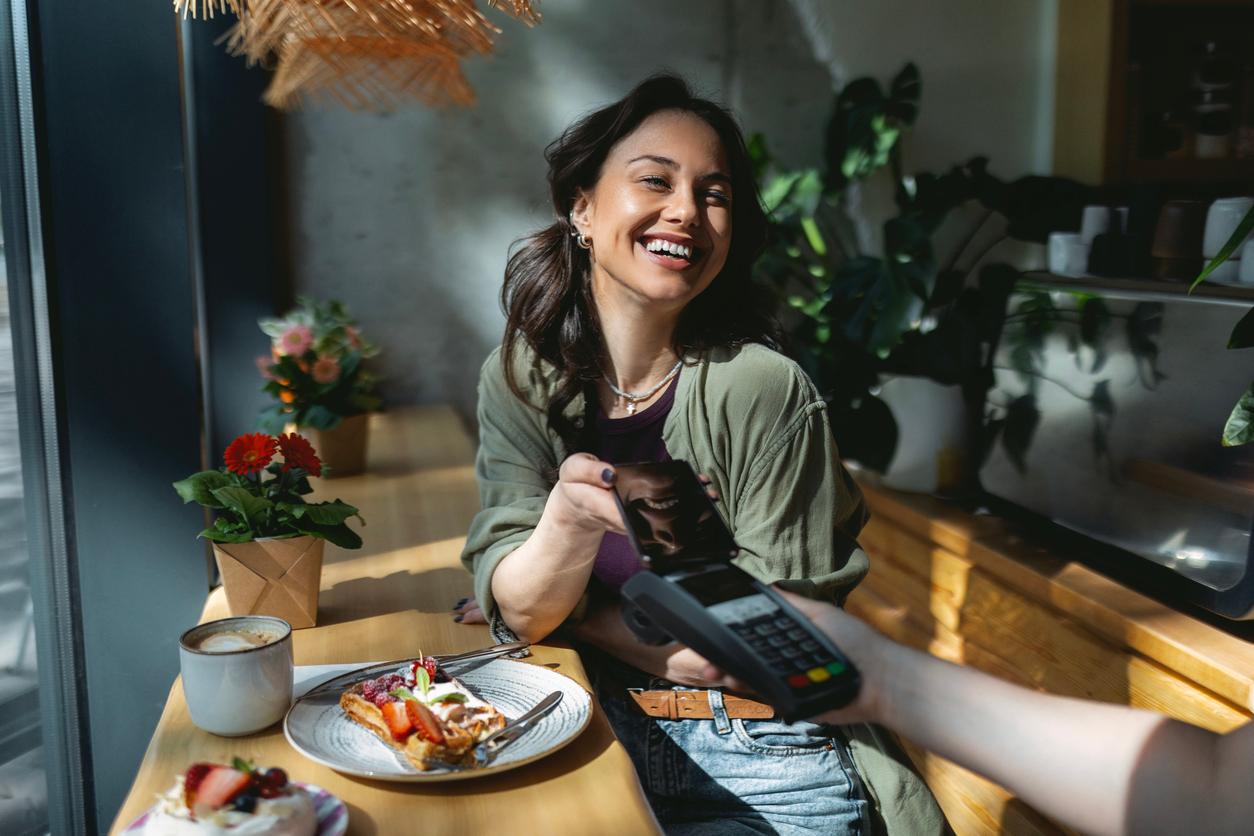
In recent years, a new habit has been spreading rapidly in hospitality. When paying, the bartender or server hands you the card terminal, and a few buttons appear on the screen: 5%, 10%, 15%. Sometimes even more. All you have to do is choose how much tip you want to leave.
At first, it might not seem like a big deal. In fact, with the rise of card payments, it makes sense to have the option to tip this way if you want. But lately, I feel we’re starting to swing too far the other way with this whole tipping question.
Often, I’m not sitting in a restaurant where a waiter accompanies me through an entire meal. I don’t get menu recommendations, my glass isn’t refilled, and no one checks if everything’s okay at the table. Many times, I’m just standing at a counter. I order a coffee. Or a sandwich. Sometimes I’m paying before the food or drink is even ready. Other times, I take the item to the counter myself, tap my card, and move on.
And then the question pops up: how much tip would I like to leave?
Honestly, the same thought always comes to mind: tip for what exactly?
I’m not asking out of ill will. I’m simply trying to understand the situation. When I’m in a restaurant where someone pays attention to me, serves me, and responds to my requests, tipping feels completely natural. It’s a long-standing part of hospitality. But when I’m buying something at a counter, it’s often hard to say exactly what service I’m tipping extra for.
Sometimes it feels like this question is creeping into every payment situation. Soon even package pickup machines might ask: wouldn’t you like to rate the service with a few extra cents for being available?
I have to admit, this kind of digital tipping really annoys me. Not necessarily because of the question itself, but because of how it’s presented. The preset buttons almost always nudge you toward tipping. 5%. 10%. 15%. The 0% option is often missing. Or it’s hidden behind another menu. A tiny “no tip” note at the bottom of the screen. Sometimes you have to swipe to another page just to find it.
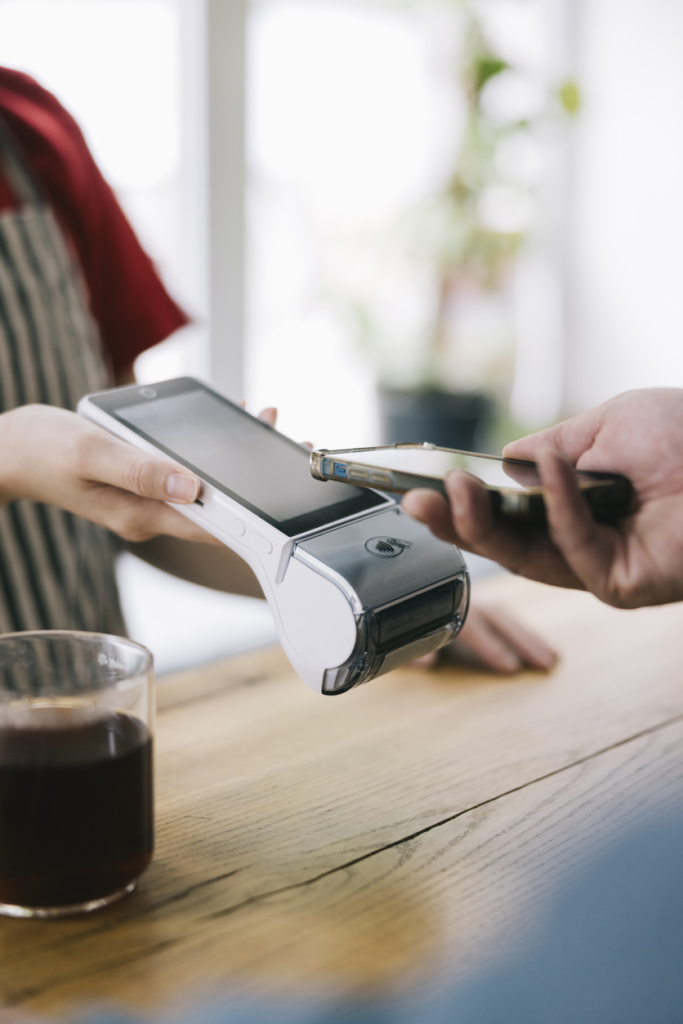
All this while someone on the other side of the counter is holding the terminal and watching what I do. There’s a strange, quiet pressure in that.
No one says it outright, but the situation still suggests: you should pick something.
This used to make me uncomfortable too. It felt like every payment was a tiny moral test. Should I tip or not? If I don’t, what will the person behind the counter think of me?
Then I realized this whole line of thought is unnecessary. Tipping is not a mandatory fee. The whole point is that it’s voluntary.
A small gesture to show we appreciated the service
When tipping becomes an automatic expectation, it stops being a tip. It just turns into a hidden surcharge.
That’s why I don’t stress about it much anymore. If I’m somewhere where I’m truly served, where someone pays attention to me and I have a good experience, I’m happy to tip—just like before.
But if I’m paying for a coffee at a counter, I’ll choose the 0% option without any guilt. Even if it’s a bit hidden in the menu. If someone rolls their eyes at me for that, that’s not my problem.
Honestly, I think it’s much ruder to put people in this kind of situation than to decide when and to whom to give extra money.