Opinion: Borka Schuszter
I don't have a problem with tipping. For years, I thought it was completely natural: if the service is good, you leave a little extra. Not a huge amount, never mandatory — just a small gesture of thanks.
But lately, something about the whole thing has shifted, and I don't think the fault is mine. More and more often, tipping no longer feels like a gesture. It feels like an expectation. Sometimes it's practically baked into a process I don't even get to decide on freely.
And here's what keeps crossing my mind: in most of Europe, servers are actually paid for their work. Tips aren't their base income, unlike in the United States, where the system was historically built in a completely different way. There, a tip often isn't a bonus — it's the difference between making a living and not.
Here, in theory, that's not the case. And I think that's a good thing. Wages should be paid by the employer, not "topped up" by the customer every single time.
In theory, a tip here is an extra. A "leave it if you want to" kind of thing.
But the experience reflects that less and less
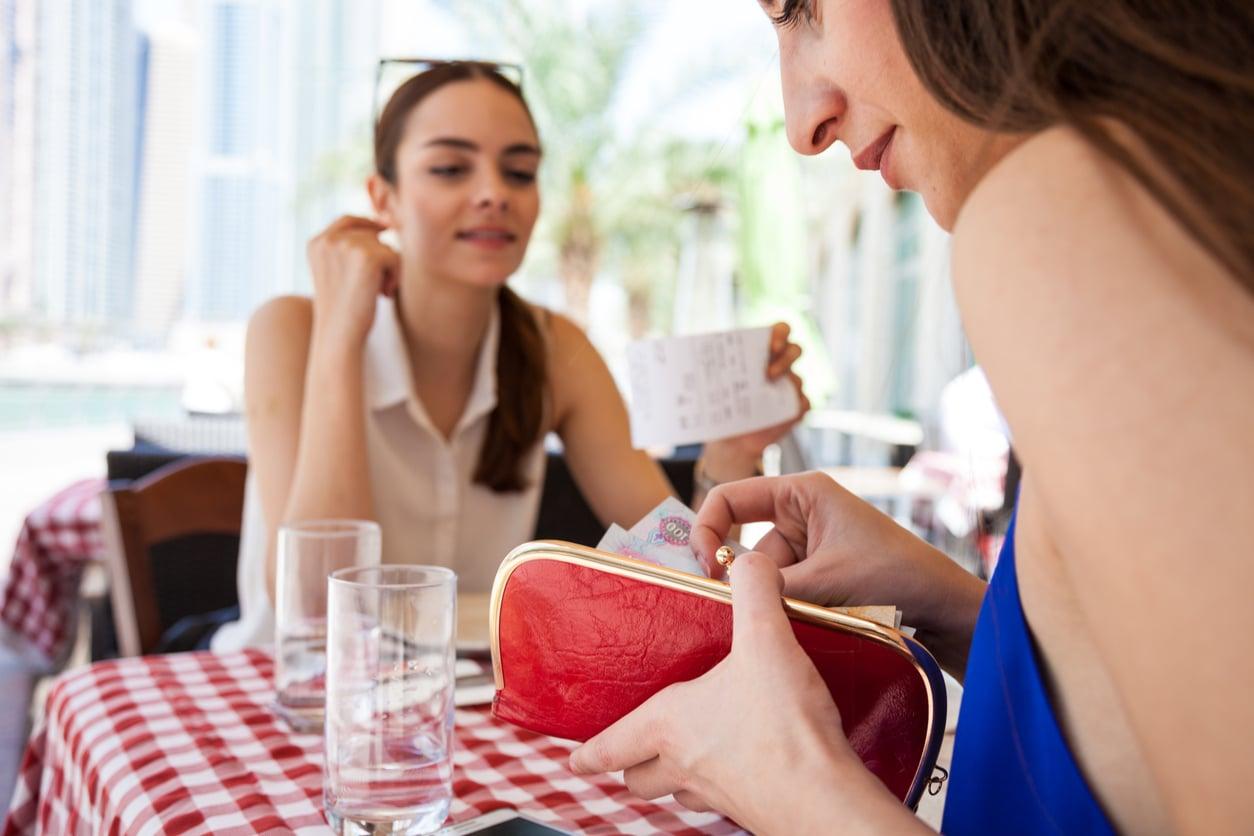
More and more often, the moment I pay, the terminal lights up with a 10, 15, or 20 percent tip option — even when the staff never left the counter. I ordered there, I picked up my food and drink there, and I carried them to my table myself. And somehow that's the part that started to bother me.
It's not that the option exists. It's that I increasingly feel like I have to actively say no to something I never considered obligatory in the first place. Meanwhile, prices keep climbing. A simple meal or a coffee is already a bigger expense than it was a few years ago. At that point, a tip doesn't feel like a small gesture — it feels like another layer added to a total I already had to think twice about.
Honestly: at these prices, I don't always feel there's room for another 10 to 15 percent.
Maybe that's not a popular thing to say. But the reality is that there's a limit on the consumer side, too. And if that limit keeps getting pushed, at some point people simply start eating out less, grabbing fewer coffees on the go, and using fewer services altogether.
Not because they don't value the work behind it, but because the total cost just doesn't fit anymore. And that, I think, is where the system ends up working against itself in the long run.
Hospitality runs on a delicate balance. You need customers who come back. You need staff who do the job. And you need pricing that connects the two. But if the guest starts to feel that every payment is another "mandatory decision" to make, that balance doesn't exactly get stronger.
Personally, I have no problem with someone leaving a tip. And none at all if they do it happily. It makes complete sense to thank someone that way after a good experience.
What I keep wondering is where the line falls between a voluntary gesture and a social expectation. And whether it's really worth squeezing one more layer out of a one-time customer — or whether it's smarter to take a little less now, so they'll come back next week in return.
Is tipping actually mandatory?
No. In most of Europe, servers are paid a wage for their work, so a tip is meant to be an extra — a voluntary thank-you, not a required part of the bill.
Why does the payment terminal suggest a tip?
More and more places show a 10, 15, or 20 percent option right at checkout, even in self-service settings. It can make customers feel they have to actively decline something they never saw as obligatory.
Is it rude not to leave a tip?
Not necessarily. When wages already cover the work and prices keep rising, choosing not to add extra is a reasonable decision — especially in situations where the service is minimal.
How do rising prices affect tipping?
As meals and coffees get more expensive, a tip stops feeling like a small gesture and becomes another layer on an already higher total. For many people, that total simply doesn't stretch that far anymore.