I was standing at the checkout the other day after a completely ordinary grocery run, staring at the total and thinking: how can this cost so much when there's barely anything in my cart?
Then it hit me. For years we've been told the same thing — wages are going up. So why does it feel like every single month it gets harder to get by on the same money?
Your money simply doesn't buy what it used to
I think we often confuse the size of a paycheck with what it's actually worth.
You might be earning a few hundred dollars more each month than you were five years ago. But if almost everything has become far more expensive in the meantime, that "extra" is often just an illusion.
We're not living more lavishly. We're not buying three times the groceries, not traveling more, not booking a spa weekend every month.
We're just trying to keep the same life we always had — only now it comes at a much higher price.
A single grocery trip is now a real expense
Maybe the most obvious change shows up right there at the supermarket.
There was a time when a full cart meant the big weekly shop. Now we often head home with far less in the bags — yet pay a total that would have shocked us just a few years ago.
Bread, meat, vegetables, fruit, cleaning products, diapers, pet food — none of these are luxuries. They're the basics for most families, and it's hard to cross even one of them off the list.
And that's exactly why the price increases hit so hard.
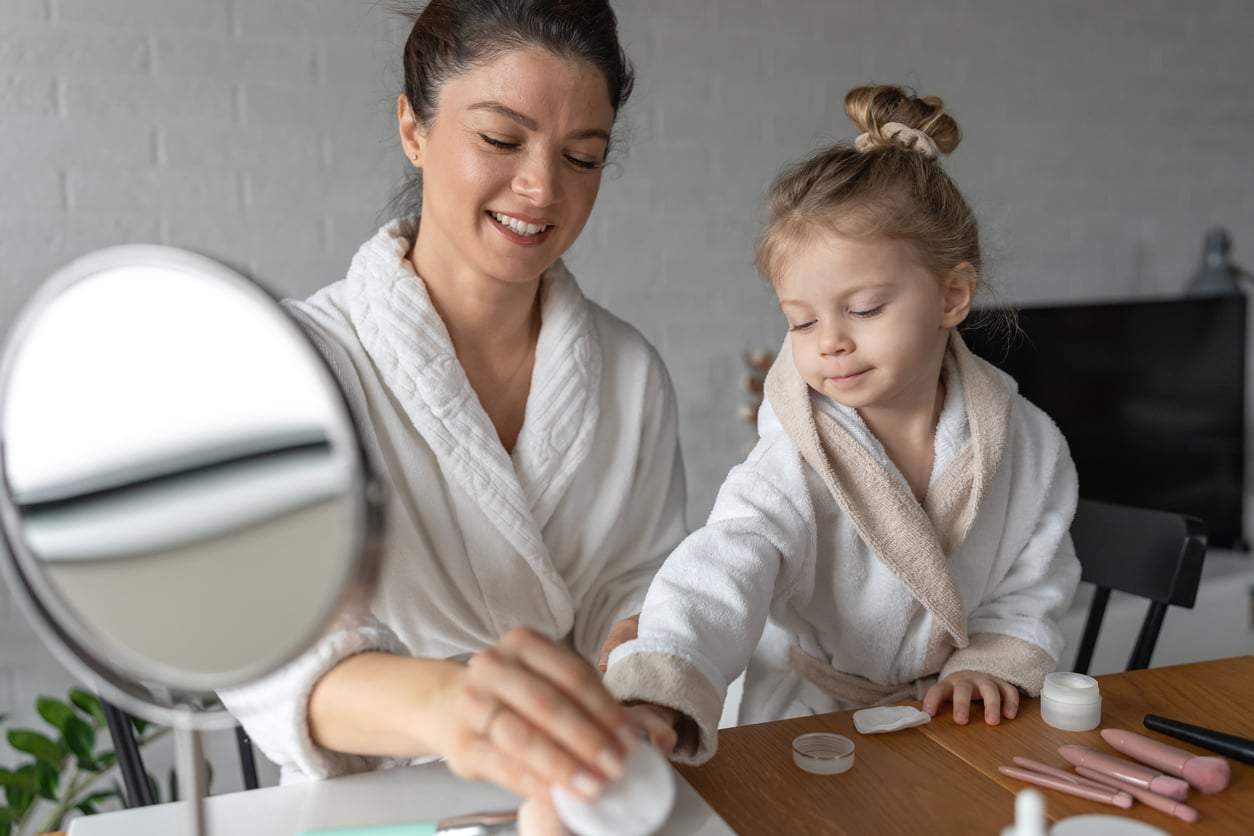
Self-care has quietly become a line item in the budget
I've seen it all around me: people genuinely miss the days when booking a haircut or a facial was just a simple routine.
Now, many women plan for it in advance. Can I fit it in this month? Or should I wait a few more weeks?
It's not that these services aren't worth the money — quite the opposite. We know that hairdressers, beauticians and nail technicians have seen their own costs rise sharply too. But at the same time, the pressure on the client's wallet keeps growing.
What used to be a normal bit of downtime or "me time" has become, for many, more of a reward than a regular treat.
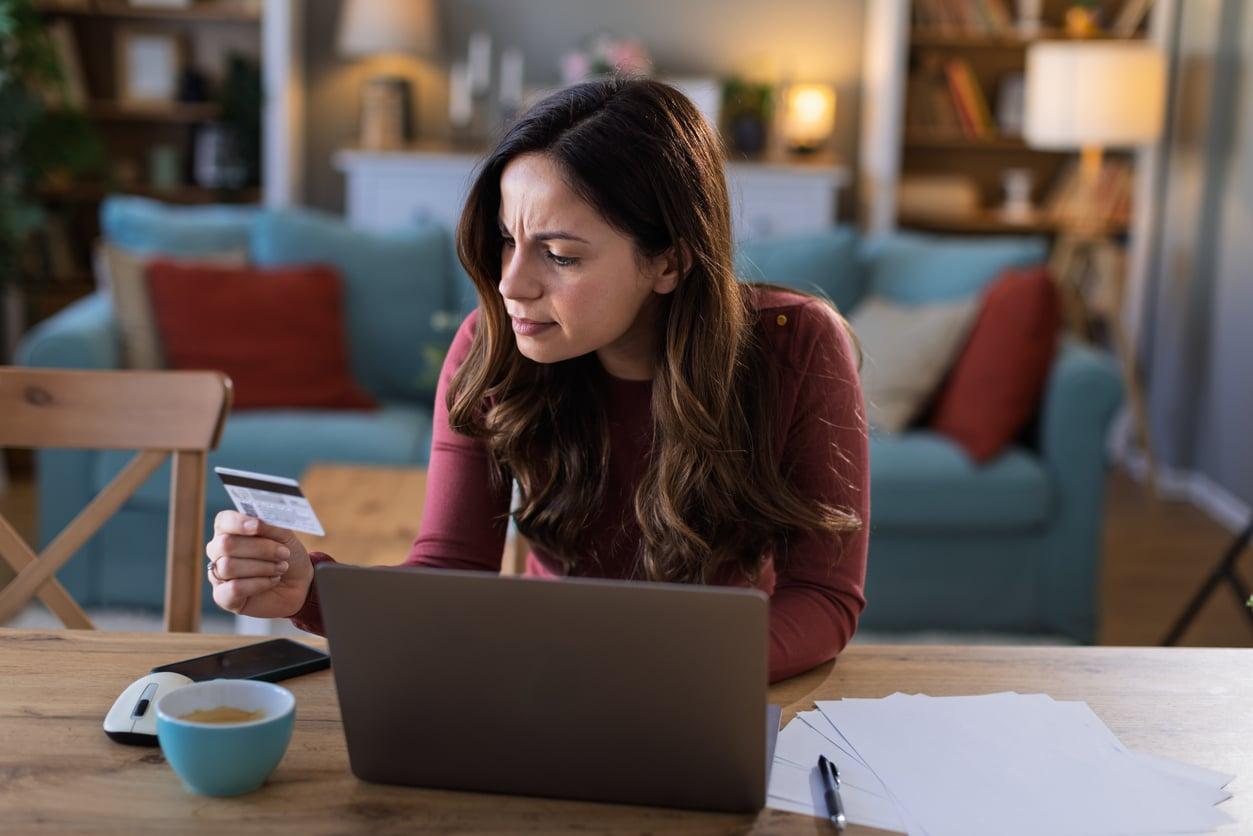
If the constant number-crunching sounds familiar, you're not alone — financial anxiety is quietly on the rise for more people than ever.
Protecting your health isn't cheap either
Maybe the saddest shift of all hasn't happened in the beauty world — it's happened in healthcare.
More and more of my friends keep saying the same thing:
"I ended up going private, because I just couldn't wait months for an appointment."
Honestly, I've done exactly the same thing several times in recent years. And it's true — when you urgently need a specialist, an ultrasound, an MRI or even a simple blood test, private healthcare often feels like the only fast option.
But it comes at a real cost.
A single specialist visit can easily run into the hundreds of dollars today. Add imaging, a follow-up appointment or medication on top, and one unexpected health issue can quietly turn into a bill in the hundreds — or more.
That's the moment it really sinks in: these days, even your health can become a serious financial question.
Because you can put off a haircut or a new outfit for a while. Your health, though? That's not something you can postpone.
It's not the big things that drain your money
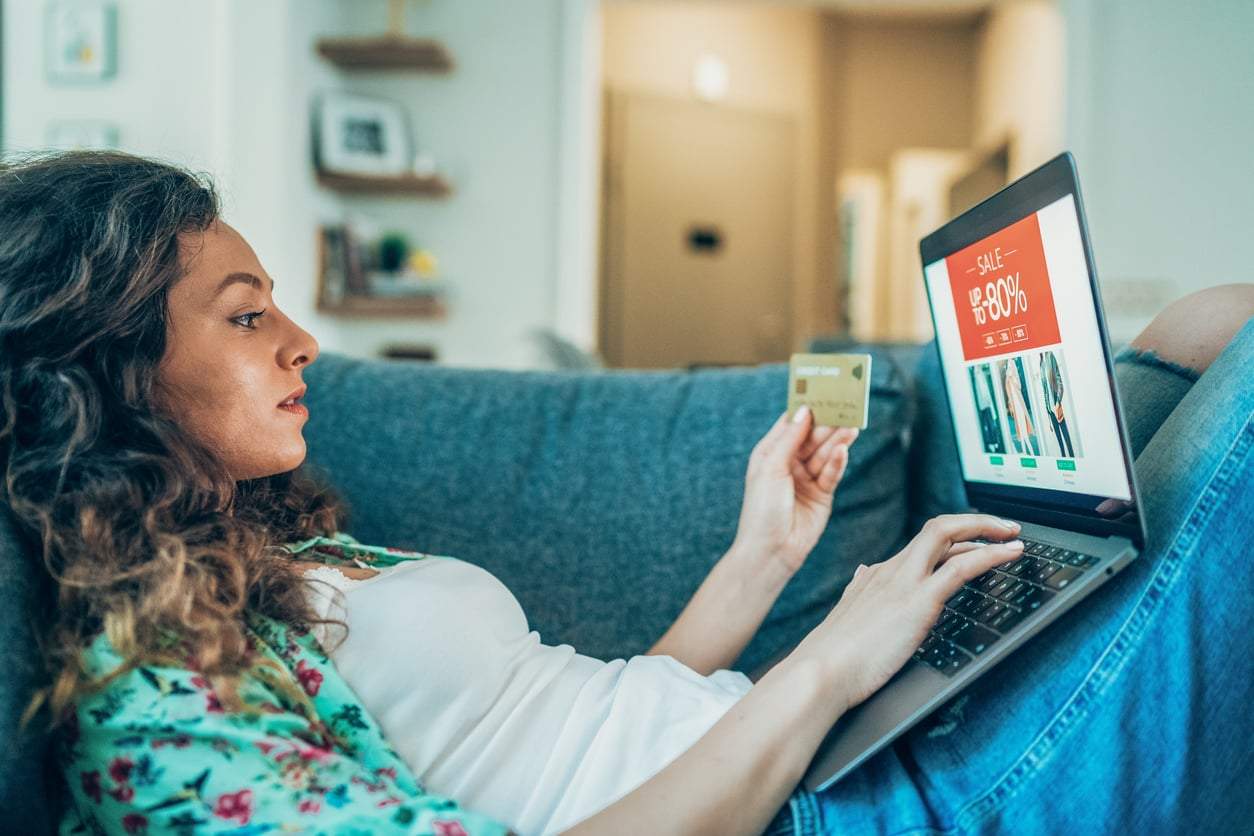
A lot of people assume it's the big purchases that empty the account. What I actually see is countless small expenses piling up on top of each other.
Pricier groceries. Higher utility bills. Keeping the car running. School costs for the kids. Medication. A dental treatment. A private doctor's appointment. A haircut. A broken appliance.
On their own, none of them feels catastrophic.
It's only when they all land in the same month that you suddenly have far less breathing room than before.
I don't think everyone is simply spending more
You often hear the opinion that people just consume too much. I'm sure that's true for some.
But what I mostly see around me is that people aren't spending more — they're just paying much higher prices for the exact same things. We're not buying three times as much bread, we're not eating out twice as often, and we're not spending more on entertainment.
Everyday life itself has simply become far more expensive.
The biggest loss may not be the money at all
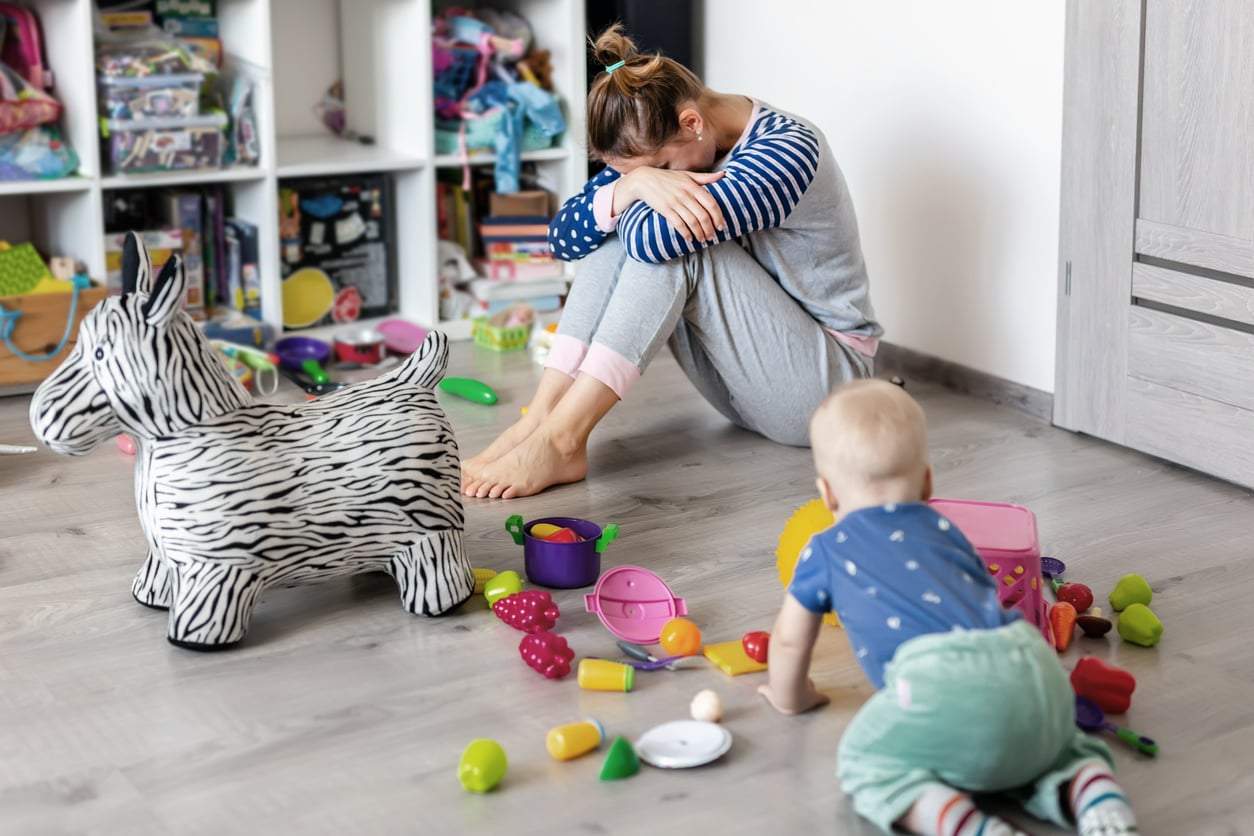
What genuinely saddens me isn't only that almost everything costs more. It's that more and more people are living in a constant state of calculating.
We weigh up when to shop. We put off medical checkups. We delay home repairs. We travel less often. We give up small pleasures, because there's always that nagging thought in the back of our minds: what if an unexpected expense hits next month?
That constant uncertainty is, in my view, a far heavier burden than the numbers alone could ever show.
It's not just about your salary
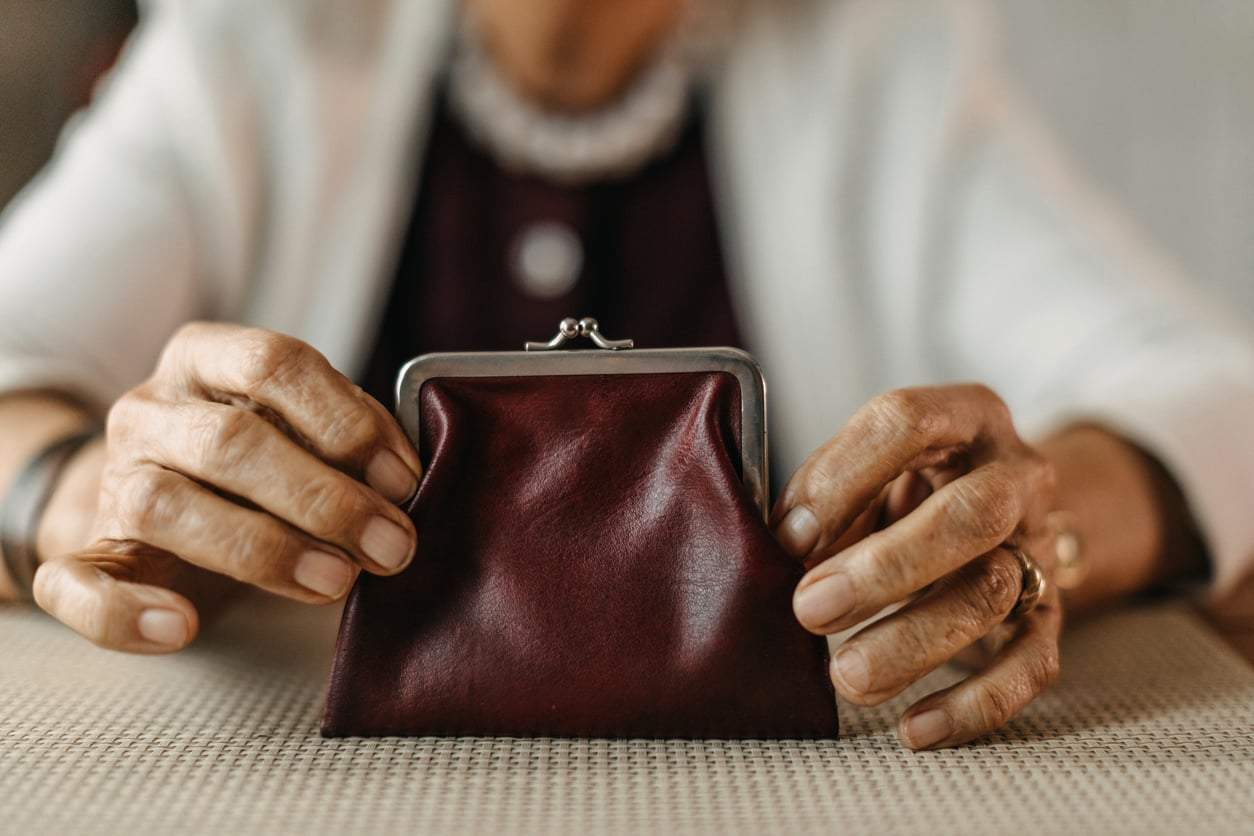
On paper, our bank accounts might hold more money than they did a few years ago. But those same numbers now mean something completely different.
The real question isn't how much you earn — it's what that money is actually enough for. Because when a grocery trip, a dental treatment or an unexpected medical bill can throw the family budget off for months, it's hard to feel like you've really moved forward.
That feeling is familiar to so many of us now. Not because we don't work hard enough, or because we manage our money badly. But because the value of money has quietly shifted — and we feel it most sharply in our everyday lives.
Why does it feel harder to get by even when I earn more?
Because a bigger paycheck doesn't mean more buying power if prices have risen faster. The extra money on paper often just covers the higher cost of the same everyday life you already had.
Is it really everyday costs, not big purchases, that drain the budget?
For most people, yes. It's the pile-up of small expenses — groceries, utilities, medication, the car, a haircut, a broken appliance — landing in the same month that eats away at your breathing room.
Why are so many people turning to private healthcare?
When you urgently need a specialist, a scan or a test, private care often feels like the only fast option. The trade-off is a high cost — a single visit plus imaging or medication can add up to a serious bill.
Does spending more mean people are living lavishly?
Not necessarily. Many people aren't buying more at all — they're simply paying much higher prices for the same essentials, from bread to entertainment to self-care.