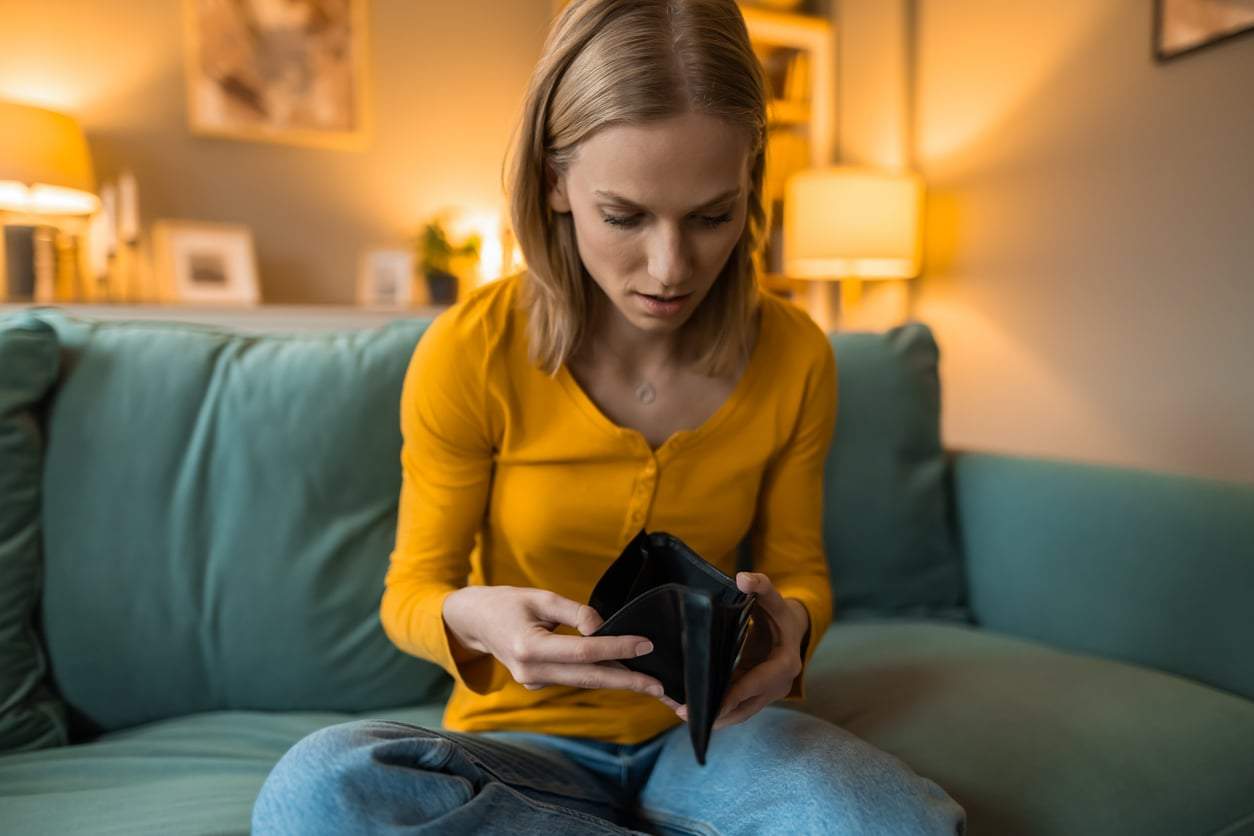
You know the type. They're always in the right place at the right time. Someone always seems to help them, recommend them, open a door for them. Good things just keep happening — while you're sitting in the same spot, doing the same things, and nothing changes.
But what if luck isn't nearly as random as we think?
The luck we don't even notice
Psychologist Richard Wiseman spent years studying what separates people who consider themselves lucky from those who feel chronically unlucky. The result was surprising: it wasn't their circumstances that differed, but their attitude and behavior. Lucky people don't get handed more random opportunities — they simply notice more of them.
They're more open to unfamiliar situations, they connect with more people, and they're quicker to grab the chances that everyone else overlooks. In other words, luck doesn't strike — it builds. Slowly, consistently, one small decision at a time.
Put yourself in new situations
One of the simplest and most effective ways to increase your opportunities is to shake up your routine. Don't always get coffee at the same place. Try a new hobby. Go to that event you weren't planning to attend. Take a different route home.
This isn't aimless flailing — it's deliberate exposure. The more varied the situations you find yourself in, the more chances you have to cross paths with the people, ideas, and opportunities that could change your direction entirely.
Lucky people tend to have a wide, loose network rather than a small, tight-knit circle. Because opportunities rarely come from your inner circle — they usually arrive through friends of friends.
Start noticing what you've been missing
In one of Wiseman's experiments, he handed people who considered themselves lucky or unlucky a newspaper. One page had a message printed in large letters:
"Tell the researcher you've seen this and win $250."
Most of the "unlucky" people flipped right past it. The "lucky" ones spotted it. The lesson isn't that you should read the paper more carefully. It's that a stressed, overloaded, constantly rushing mind sees less. It only registers what it's already looking for and filters everything else out.
Someone in a calmer, more open state, on the other hand, can see out of the corner of their eye. They catch the small opening that others walk right past.
Luck is often nothing more than attention.
Say yes a little more often
You don't have to say yes to everything — but it's worth saying it a bit more than you normally would. The invitation you'd have turned down on autopilot. The old acquaintance you haven't spoken to in ages. The occasion that didn't seem like anything special.
Opportunities rarely arrive labeled. They usually look ordinary, and only in hindsight do you realize that was the moment that changed something. But to catch it, you have to be there. You have to show up. You have to actually go.
Trust your instincts — and your failures too
Another trait lucky people share is that they don't treat failure as a dead end. They see it as feedback, and they bounce back faster. This isn't relentless optimism — it's resilience: the ability to stay open to what comes next, even after a bad turn.
Your instincts play a role too. How many times have you had a gut feeling that something would turn out well, and ignored it anyway? Those inner signals often process far more information than we consciously register. You don't have to hand every decision over to them, but it's not wise to dismiss them either.
Opportunities don't come out of nowhere. They open up for people who are visible, open, and present — people who don't wait for someone else to take the first step for them. That doesn't mean everything is on your shoulders. There are circumstances you simply can't control. But how you position yourself in the world, how much you notice, and how available you make yourself — that part is up to you.
Luck favors the prepared, but it favors even more the people who step out of their usual circle and let something unexpected find its way in.
Is luck really something you can create?
Not entirely — some circumstances are out of your hands. But the research suggests that much of what we call luck comes down to attitude, openness, and simply noticing the opportunities around you.
Why do lucky people seem to have so many opportunities?
Because they put themselves in more varied situations and maintain wide, loose networks. Chances often arrive through friends of friends, not from your closest circle.
How does stress affect my chances?
A stressed, overloaded mind sees less. It only registers what it's already looking for and filters out the small openings a calmer, more open person would catch.
Should I trust my gut feelings?
Your instincts often process more than you consciously notice. You don't have to base every decision on them, but it's rarely wise to dismiss them entirely.