Democracy isn’t a system where you just check a box every four years, then lean back and give up your voice. Living in a democracy is not only a right but a responsibility. Honestly, I think it’s mostly a responsibility.
The burden of freedom is real. It’s heavy, uncomfortable, and sometimes exhausting. It means taking part in shaping our shared world—and that often calls for debate, learning, and facing tough truths. But we can’t just opt out. Because politics, contrary to a common misconception here, isn’t about throwing insults or endlessly blaming others. Politics is about finding solutions. Forming opinions. It’s a collective decision on the direction of our country, society, and lives.
When someone says, “I don’t care about politics,” they’re—maybe unknowingly—saying they don’t care how much nurses earn, the conditions teachers work under, or who gets timely access to healthcare.
They don’t care how child protection laws evolve, who receives family support, or if there’s enough funding for people with disabilities. They don’t care if free flow of information is guaranteed, if there’s an independent press, or if decision-makers are held accountable. But these aren’t just “political issues”—they’re the foundation of everyday life. The school our kids attend, the price we pay for a loaf of bread, or whether we get into surgery when it’s urgent—all of these are direct results of politics.
Someone who says they don’t care about politics is really saying they don’t care about the fate of children in orphanages or whether survivors of domestic violence get help.
They don’t care if hospitals get the equipment needed for life-saving surgeries. They don’t care who gets to speak up and who’s silenced. This isn’t neutrality. It’s not calm detachment. It’s irresponsibility, insensitivity, and outrageously careless.
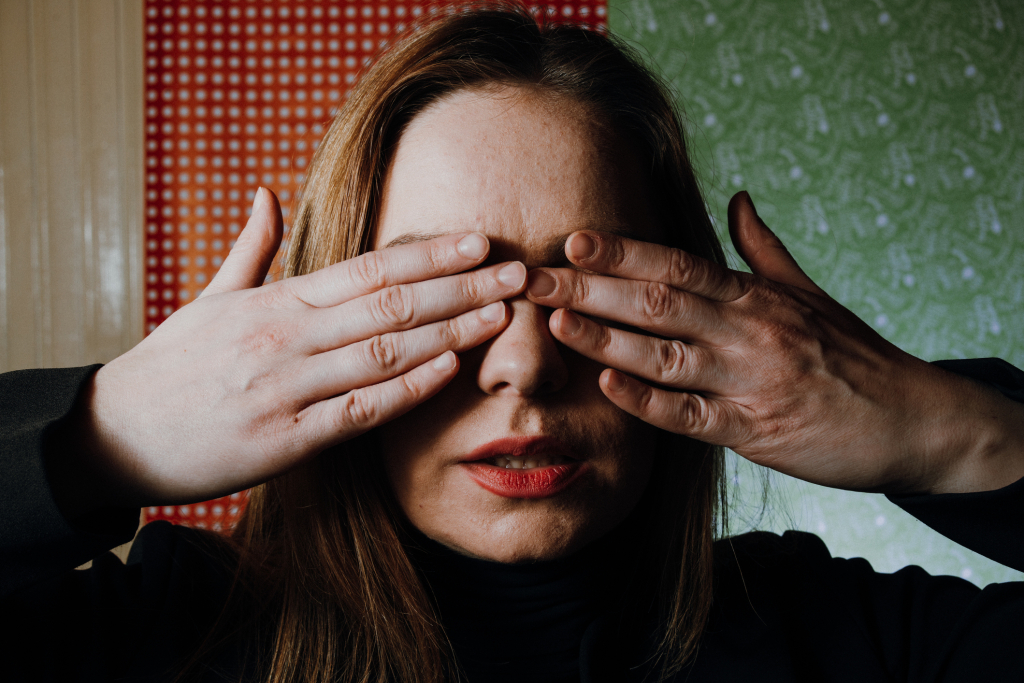
Indifference Is Not Moral Superiority
It’s not a sign of clarity, but of turning away. Sure, it’s easier to stay distant with a raised pinky, elegantly saying, “I don’t care who’s in power; nothing ever changes anyway.” But that attitude is exactly what lets nothing change. It lets others always make the decisions—and lets us blame others for the outcome. Democracy doesn’t work with passive citizens. It demands cooperation. Attention. Participation.
And yes, it’s exhausting. Sometimes it even feels hopeless. But when someone says, “I don’t care about politics,” they’re not opting out of the system—they’re just giving up their voice.
Others’ decisions will affect them too. Because in the end, politics isn’t about them—it’s about us. And if we truly want a better world, we can’t stay silent. We can’t stay on the sidelines. Because if we don’t decide, others will decide for us. And then we’ll cry over the responsibility many are now desperately trying to shake off.