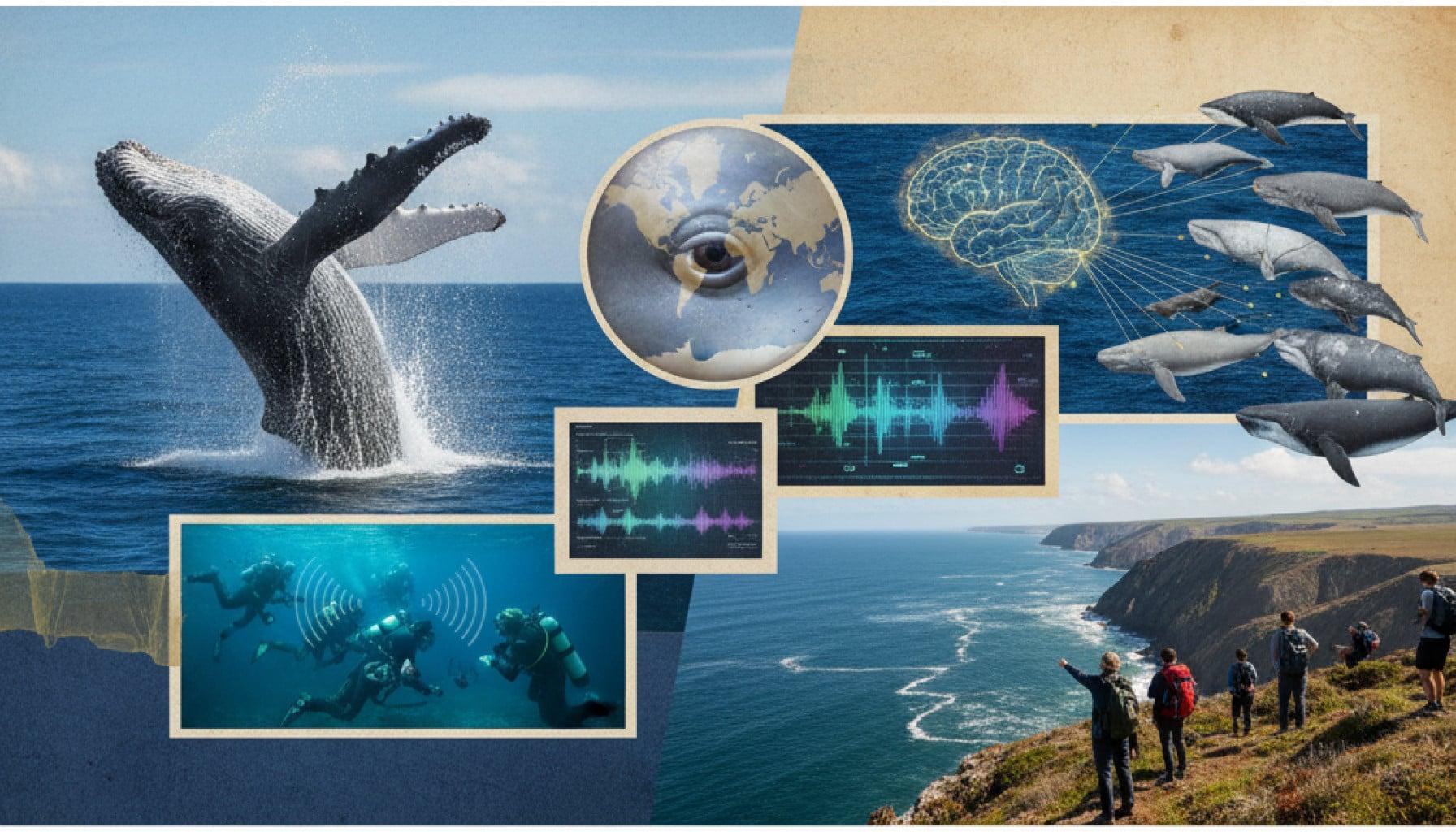
The Power of Whale Communication
Whales have always fascinated scientists and nature lovers alike with their unique communication skills. These majestic marine mammals don’t just roam the ocean depths; they connect with each other through complex sounds in a truly one-of-a-kind way. One of the most intriguing discoveries about these incredible creatures is their ability to change their vocalizations—and even their "accents"—depending on their habitat and environmental influences.
This ability is more than just fascinating—it can be vital for their survival. Just as human languages and dialects evolve and adapt to different communities, whales can similarly adjust their calls to make communication easier among themselves.
Why Do Whales Change Their Sounds?
So why do whales need to change their sounds? The answer is both simple and complex. Primarily, it’s about their social structure and the vastness of the oceans that calls for adapting communication styles.
When two different populations meet, or when a whale enters a new environment, their sounds may shift to better fit their new social or physical surroundings.
This isn’t just a survival tactic—it’s key to reproduction and maintaining social bonds. Whale calls often carry info about their physical condition, mating intentions, or where to find food. Different sound patterns and accents help distinguish and identify populations, which is crucial for global research.
Accent Shifts: A Mystery of the Marine World
The idea that whales can actually use and change "accents" is truly exciting. This doesn’t just reshape their social interactions but also their survival strategies. While human communication is shaped mainly by language and culture, whales’ vocal changes are driven by environmental factors and habitat demands.
Researchers use acoustic analyses to track how whale sounds evolve over the years—whether due to migration route changes or influences like pollution, ship traffic, and noise from human activities.
Research and Scientific Discoveries
Recent studies have explored how changing environmental conditions affect whale communication.
It’s been observed that in areas with heavy ship traffic, whales use deeper sounds that can cut through the noise, helping them share vital information with their peers.
New research also suggests that whales’ vocal tones can vary significantly between populations, possibly reflecting direct genetic changes. This shows scientists that whales are even more adaptable than previously thought.
What Can We Learn from Whales?
All in all, whale communication is not only fascinating from a scientific perspective but also offers valuable lessons for human society. Whales show us that the ability to change and adapt is essential to meet environmental challenges successfully.
This insight helps us appreciate that accents and language variations aren’t just barriers—they’re rich cultural legacies that shape our identity and social bonds.