The last moments of our lives are deeply special, yet often intimidating. Near-death experiences and what we truly feel before the end have fascinated people for ages. While some explore this from a spiritual angle, science zooms in on the physiological processes. Experts and researchers dig into the biology and chemistry to understand exactly what happens in those final moments. It’s worth taking a closer look at this process, as these moments often reflect everything we’ve experienced throughout life.
The Physiology of Dying
The moment of death brings profound changes, both emotionally and biologically. Our body reacts in many ways, with the nervous system playing a key role. The brain, our body’s control center, triggers a series of complex chemical reactions at this stage. As oxygen supply drops, the brain releases hormones that can create a sense of calm or even euphoria. This state not only signals the brain’s shutdown but also prepares the body for death.
The cerebral cortex, which governs perception and conscious thought, begins to shut down, leading to a loss of reality awareness.
The heart slows and eventually stops, while circulation gradually ceases. The body fights until the very end as oxygen levels fall, often accompanied by a profound sense of peace despite the intense physiological changes unfolding.
Science and Near-Death Experiences
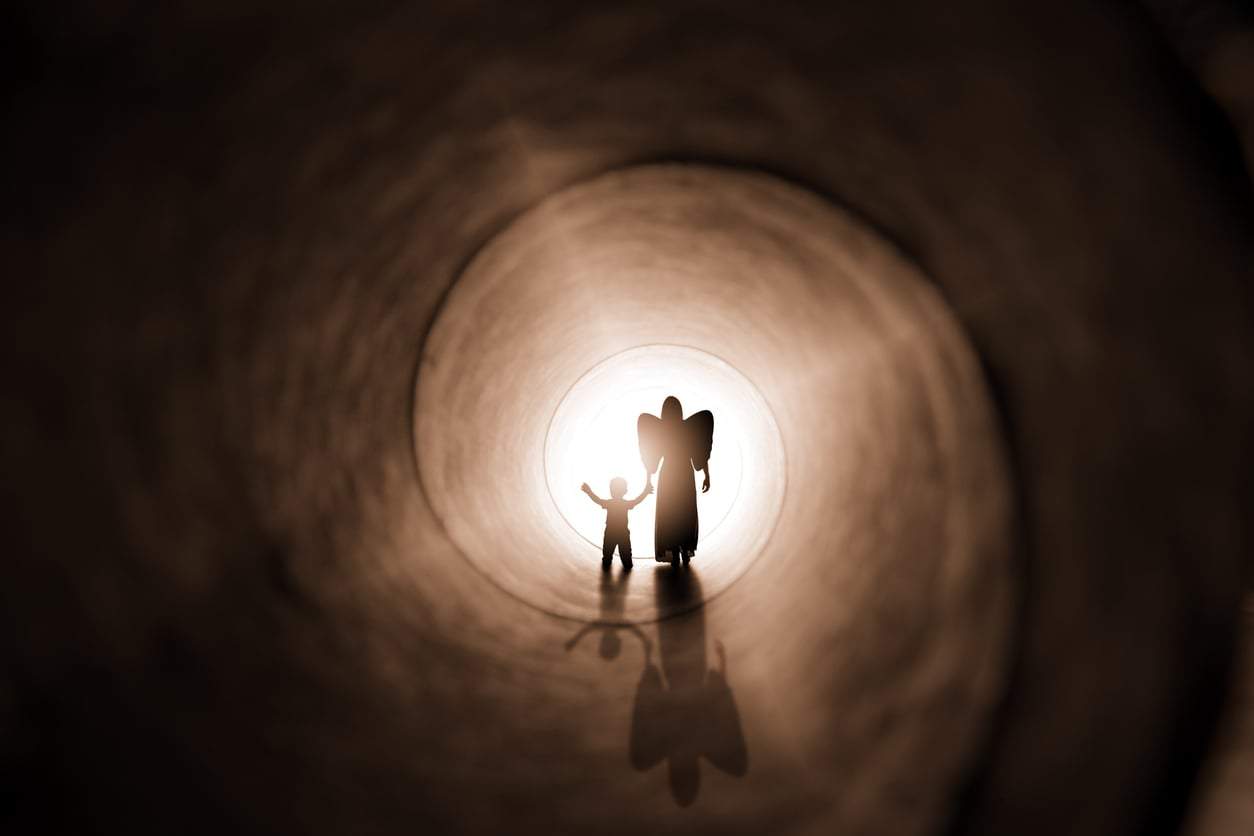
Researchers have studied countless reports to better understand near-death experiences (NDEs). Science suggests these experiences likely stem from unique brain states rather than purely spiritual events. Those who return from near-death often describe tunnels of light, encounters with departed loved ones, or distinctive sounds.
Current scientific explanations link these experiences to the brain’s oxygen deprivation and increased neurotransmitter activity. Sudden surges in dopamine and endorphins can trigger feelings of euphoria or deep calm, making NDEs often positive and comforting, even during life’s most challenging moments.
Raymond Moody, an American researcher with medical and philosophical expertise, pioneered the study of near-death experiences. His 1975 book, "Life After Life," features hundreds of interviews with people who returned from clinical death.
Moody found that near-death experiences show surprisingly similar patterns, regardless of a person’s religious, cultural, or social background.
Common elements include:
- Out-of-body sensations (seeing oneself from outside),
- Passing through a dark tunnel,
- Encountering a bright, warm presence,
- A life review (a rapid overview of one’s life),
- Feelings of deep peace and love,
- A decision or call to return.
Moody did not claim these experiences prove an afterlife, but he believed they were too complex and consistent to be mere hallucinations. Instead, he saw them as profound, unexplained conscious experiences that raise new questions about life, death, and awareness.

Social and Cultural Influences
Beliefs around death greatly shape how we personally approach life’s end. Different cultures interpret death’s meaning and what follows in unique ways.
Some societies see death as a natural transition to another form of existence, while others view it as a final closure.
For many, spirituality offers comfort and guidance in those final moments. Belief in an afterlife or reincarnation often eases end-of-life anxiety. These belief systems support the peace many feel in life’s last moments, whether rooted in religious faith or a sense of universal connection.
The Role of Personal Experience
Though physiological processes of dying may be similar, individual experiences and feelings vary widely. A person’s health, stress levels, and psychological readiness all influence what they perceive in their final hours. Those who’ve encountered near-death experiences often say these moments help them find a more peaceful farewell.
Many experience a sense of closure before death, reflecting on important life events and relationships.
This inner reflection can bring comfort and peace, even as the body prepares to say goodbye. Our unique life journeys deeply shape how we feel at the end and help us prepare for that final farewell in a personal way.
We can never be completely sure what awaits us at life’s end, but scientific research and personal stories bring us closer to understanding. Whether fear or peace marks those last moments, they’re part of life’s natural flow. That’s why it’s important to see death not as an end, but as a journey every one of us will take.