You eat well, choose wholesome foods — and yet your body keeps reacting in ways that make no sense. Bloating, skin rashes, headaches, a stuffy nose. If this sounds familiar, the problem might not be what you're eating, but how your body processes a compound called histamine.
What is histamine intolerance?
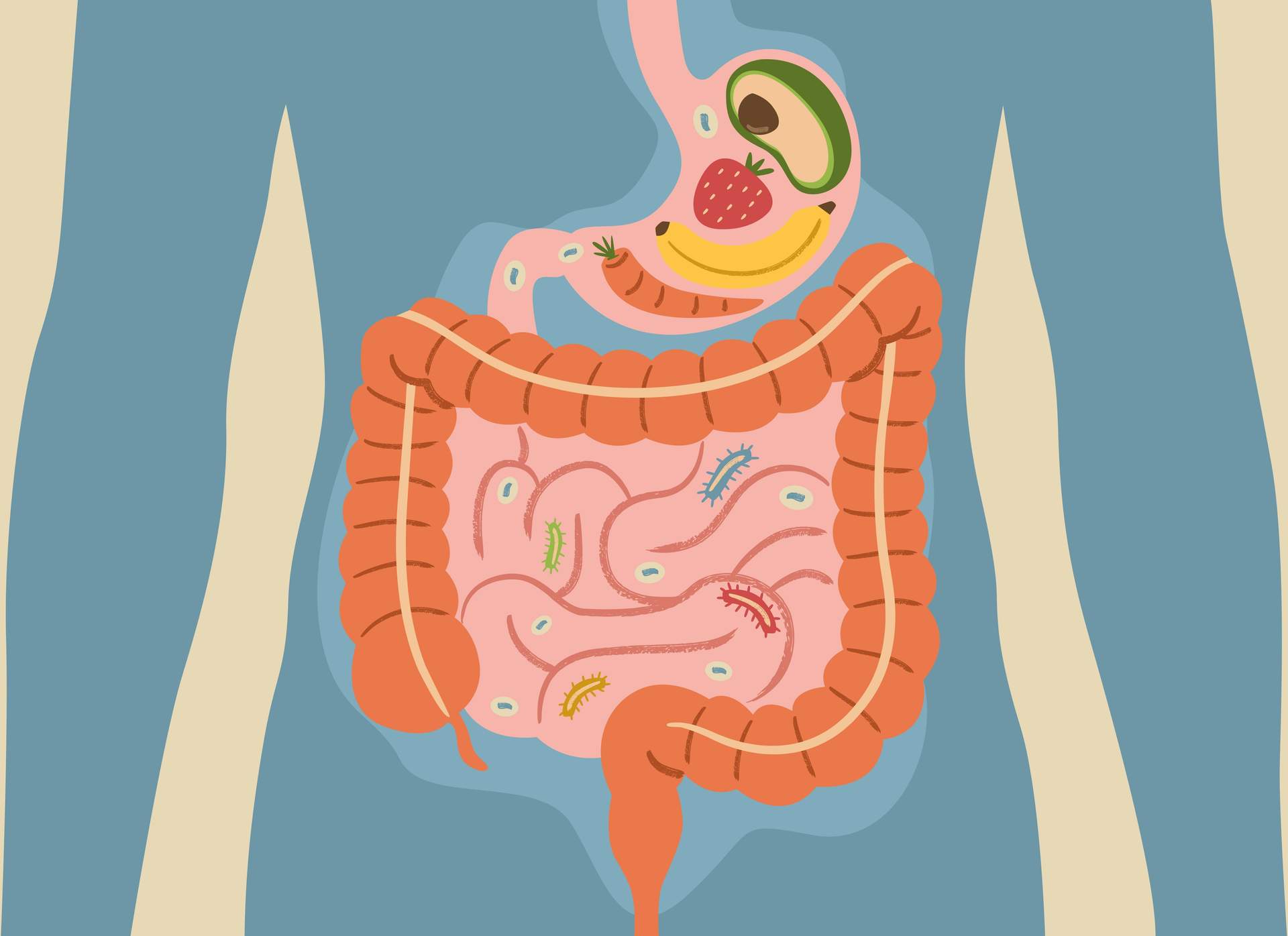
Histamine intolerance is not a classic allergy. It's a condition where the body struggles to break down histamine fast enough — a naturally occurring chemical found in many everyday foods. Under normal circumstances, an enzyme called diamine oxidase (DAO) handles this job efficiently. But when DAO levels drop or its activity weakens, histamine builds up in the body and starts causing trouble.
The tricky part? The symptoms can look almost identical to those of food allergies or digestive disorders, making it easy to misdiagnose — or to dismiss entirely.
Symptoms that are easy to overlook
Histamine intolerance can show up in surprisingly varied ways. The most common signs include:
- Skin rashes, redness, or persistent itching
- Bloating and digestive discomfort
- Headaches or migraines
- A blocked or runny nose
- In more severe cases, shortness of breath
Because these symptoms overlap with so many other conditions, getting an accurate diagnosis often takes time — and a proactive approach.
Foods that are surprisingly high in histamine
Some of the biggest histamine triggers are foods we tend to think of as healthy or artisanal. Aged cheeses, wine, beer, pickles, and fermented foods are among the highest in histamine. Certain fish and processed meats also rank high on the list.
But it doesn't stop there. Some vegetables and fruits — including tomatoes, eggplant, and citrus — don't contain large amounts of histamine themselves, yet they trigger the body to release its own histamine, which can be just as problematic.
How to get a proper diagnosis
If you suspect histamine intolerance, the first step is to see a gastroenterologist or allergist. They can recommend specific tests and help rule out other conditions with similar symptoms.
In the meantime, keeping a detailed food and symptom diary can be invaluable. Tracking what you eat and how you feel afterwards gives your doctor a clearer picture — and can speed up the process of identifying your personal triggers significantly.
Diet and lifestyle changes that actually help
For most people with histamine intolerance, adjusting the diet is the single most effective step. This means gradually reducing or eliminating high-histamine foods and replacing them with lower-histamine alternatives that your body can handle more comfortably.
But diet is only part of the picture. Chronic stress is known to worsen histamine intolerance, as it can affect enzyme activity and gut health. Prioritising sleep, managing stress, and supporting overall wellbeing can all make a real difference to how severe your symptoms are day to day.
Finding support and personalised solutions
Overhauling your diet can feel overwhelming at first — especially when some of your favourite foods are on the avoid list. Working with a registered dietitian or nutritionist who understands histamine intolerance can make the process far less daunting and far more effective.
Online communities and support groups are also worth exploring. Hearing from people who have navigated the same challenges can provide both practical tips and reassurance that you're not alone in this.
What about antihistamines and blockers?
Histamine-receptor blocking medications can offer short-term relief from symptoms, and your doctor may recommend them as part of your management plan. However, they work best as a bridge — not a long-term solution. The real goal is to identify and address the underlying causes, which is what leads to lasting improvement.
If you think histamine intolerance might be behind your symptoms, trust what your body is telling you and seek professional guidance. With the right diet, mindful lifestyle choices, and personalised support, it's entirely possible to reduce your symptoms and enjoy mealtimes without anxiety again.