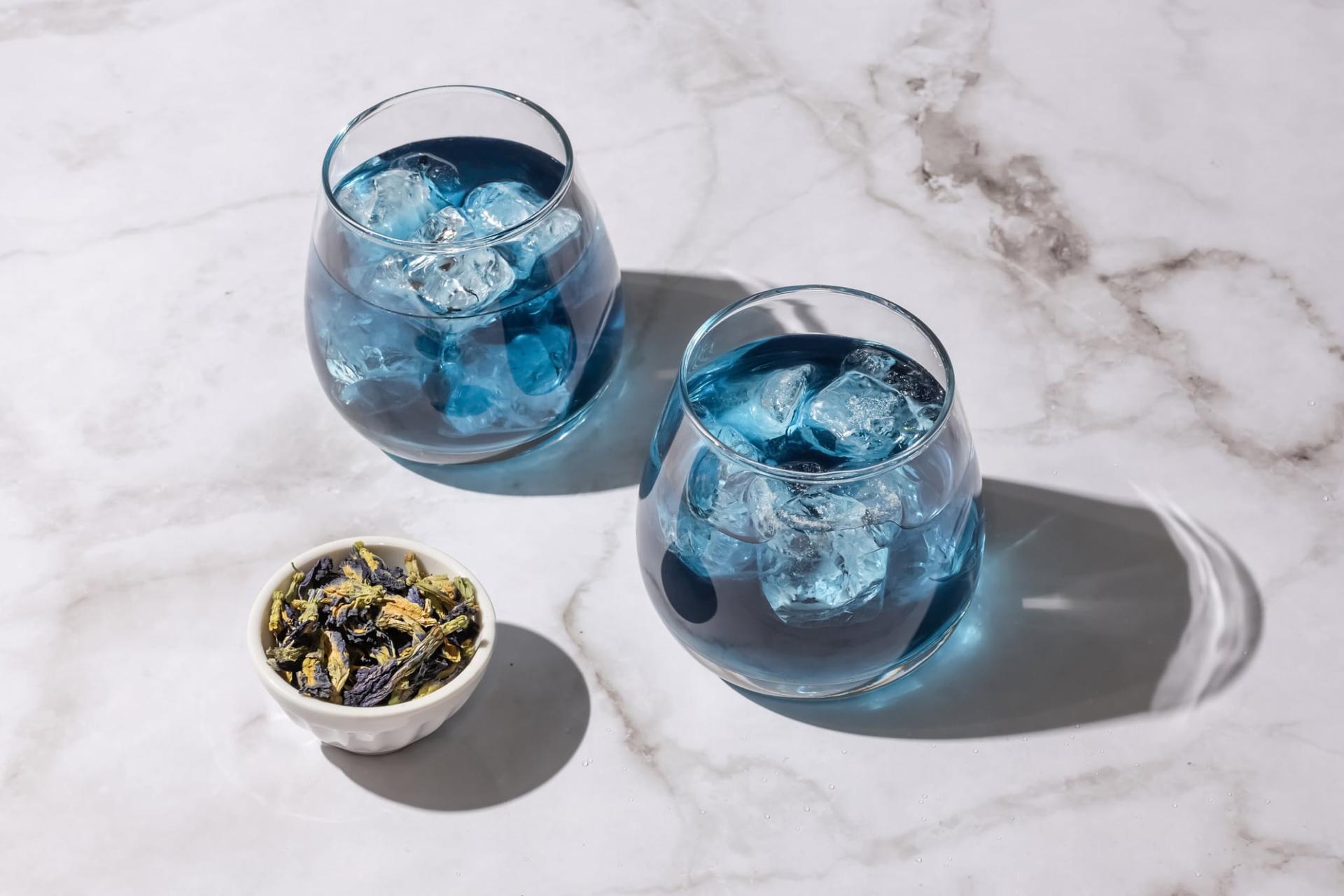
Blue tea is a naturally blue, wonderfully vibrant drink free from artificial ingredients. It’s also known as butterfly pea flower tea and originally comes from South Asia. It’s made from the vivid blue petals of the Clitoria ternatea L., also called butterfly pea (or Asian pigeon wings, blue pea, cordofan pea, bluebell flower, or Darwin pea), which is also used as a natural food coloring. In recent years, it’s gained worldwide popularity not just for its unique color but for its amazing health benefits.
Why Make It a Regular Part of Your Routine?
Blue tea is worth tasting for its special color, but drinking it regularly is even better. It’s packed with antioxidants and especially rich in anthocyanins. Nutrition expert Chhavi Rohilla highlights that this helps support your body’s defense against free radicals and oxidative stress, which can speed up aging and contribute to chronic illnesses.
Blue tea also contains compounds that may have anti-inflammatory effects. Regularly enjoying it could help reduce inflammation in your body, which is linked to many health issues.
Some say it has a cooling effect, making it a great choice not just in winter but also iced in summer. Adding lemon can brighten its beautiful blue color even more.
Blue tea is also famous for its relaxing and stress-relieving qualities. Drinking it often may ease anxiety and help you feel calmer, which is great for your overall well-being. Plus, the flavonoids in it help keep your skin elastic and healthy.
Some believe that a daily cup can help flush out undigested food particles, brighten dull skin, and reduce dark circles under the eyes. Thanks to its anthocyanins, it can boost blood circulation in your scalp, supporting a healthy scalp.
How to Make It
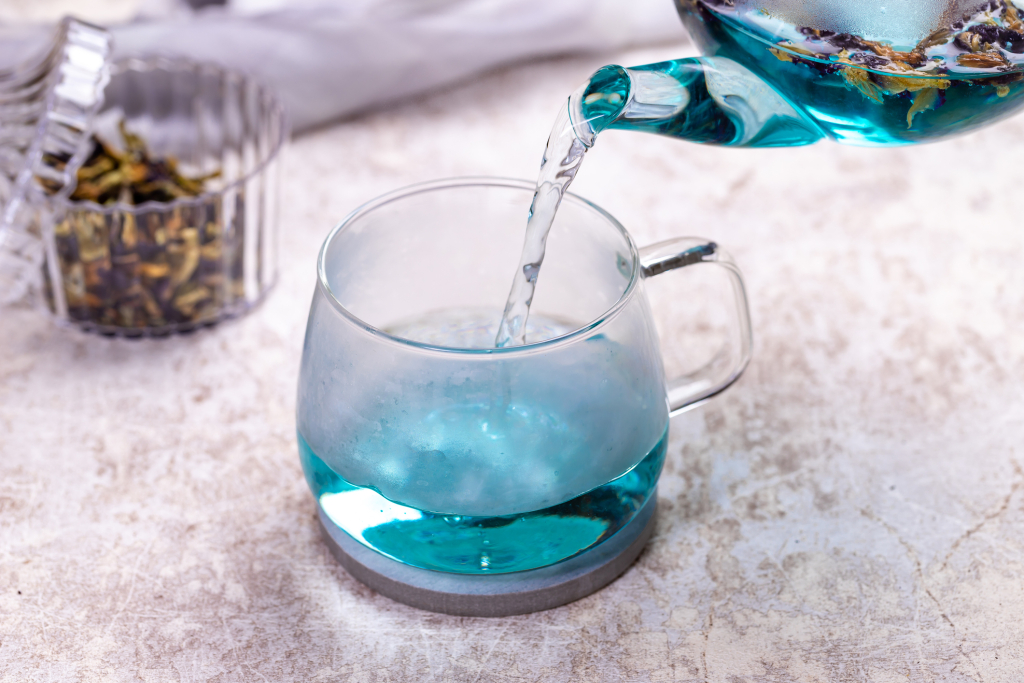
Butterfly pea flower tea is available locally, so once you get a bag or box, making it is easy. Simply boil some dried lemon balm and a few butterfly pea flower petals in water, then steep for 5–10 minutes. Feel free to add honey before drinking. You can enjoy it hot or cold. If you choose cold, it’s best after meals to aid digestion, while in the late afternoon or early evening, it can support restful sleep.
Since it’s a caffeine-free drink, you can sip it anytime during the day. Just don’t overdo it—too much blue tea might cause digestive issues. But a daily cup is a win, and serving it to guests makes for a truly special surprise.
Source: healthshots.com