We reach for them because they're fast, easy and always on hand. But the convenience foods filling our shopping carts may be quietly working against our kids — earlier than most parents realize.
Here's the part that stops you cold: researchers say the negative effects of processed foods can already be measured in children around the age of five. That's not a warning about the distant future. It's happening right now, at the kitchen table.
What exactly counts as processed food?
Processed foods are products that have been put through physical, chemical or microbiological treatments to make them last longer, look more appealing or become easier to use. Think frozen ready meals, packaged pastries, sodas and sugary breakfast cereals.
The problem is what happens along the way. The original ingredients often lose their natural nutritional value, while additives, preservatives, artificial colors and flavor enhancers get mixed in. These ingredients boost taste and shelf life — but for a growing body, they can do real harm.
How children's diets have shifted
A child's growth and health depend on a balanced, varied diet that delivers the nutrients, vitamins and minerals they need. Regularly eating processed foods throws that balance off — especially when they become a core part of everyday meals.
Too much sugar and salt, a steady load of saturated fats, and low-fiber products can, over time, lead to serious health problems.
In many children's diets today, fast food, frozen products and sugary drinks dominate. That pattern builds unhealthy eating habits early — and can become the breeding ground for a range of illnesses down the line.
What processed food does to a child's health
Eating processed food regularly harms children's health on several fronts. One of the most worrying consequences is a higher risk of obesity, which later in life can open the door to cardiovascular disease, type 2 diabetes and other metabolic conditions. Obesity is an especially serious problem: more children worldwide are affected every year, and processed foods play a key role in that trend.
On top of that, artificial additives, preservatives and flavor enhancers can affect children negatively — triggering allergic reactions and even behavioral issues. And a diet that lacks balance can lead to vitamin and mineral deficiencies, holding back both physical and mental development.
What parents can actually do
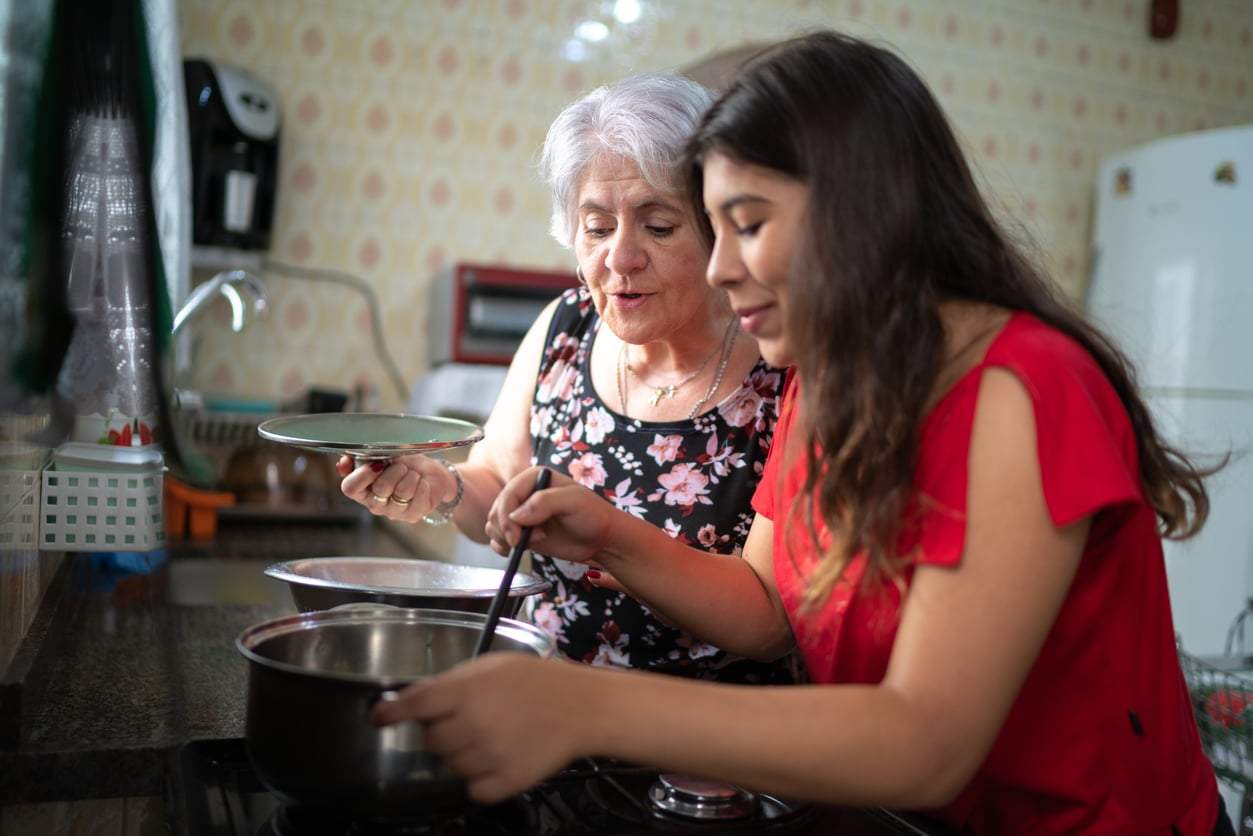
The role of parents and caregivers is impossible to overstate when it comes to shaping healthy eating habits. The first — and maybe most important — step is to consciously choose healthy, natural ingredients and cook fresh, homemade meals whenever you can. Food like this isn't just more nourishing; it usually tastes better, too, and supports your child's development.
Encourage kids to eat vegetables, fruit, whole grains, lean meats and dairy. Keep sugar and salt in check, and steer clear of high-calorie, low-nutrient foods. Just as important: make sure children drink enough — water and sugar-free drinks rather than sodas.
Processed foods offer a quick fix in the moment, but over the long run they carry real health risks — especially for children. Mindful eating is fundamental to the health of the next generation, because the habits formed in childhood strongly shape how we eat as adults.
It's a shared responsibility. Parents and the education system alike can help children learn what a healthy lifestyle looks like and build toward a balanced diet. In the long run, let's make it the norm for our kids to see natural, nutrient-rich foods as the default — not processed products.
At what age can processed food affect children?
According to research cited in the article, the negative effects of processed foods can already be measured in children around the age of five.
Which foods count as processed?
Examples include frozen ready meals, packaged pastries, sodas and sugary breakfast cereals — products treated to last longer or look more appealing, often with added preservatives, colors and flavor enhancers.
What health risks are linked to processed food in children?
A higher risk of obesity, which can later lead to cardiovascular disease, type 2 diabetes and other metabolic conditions. Additives may also trigger allergic reactions and behavioral issues, while an unbalanced diet can cause vitamin and mineral deficiencies.
What can parents do to protect their children?
Choose natural ingredients, cook fresh homemade meals, and encourage vegetables, fruit, whole grains, lean meats and dairy. Limit sugar and salt, avoid high-calorie low-nutrient foods, and offer water or sugar-free drinks.