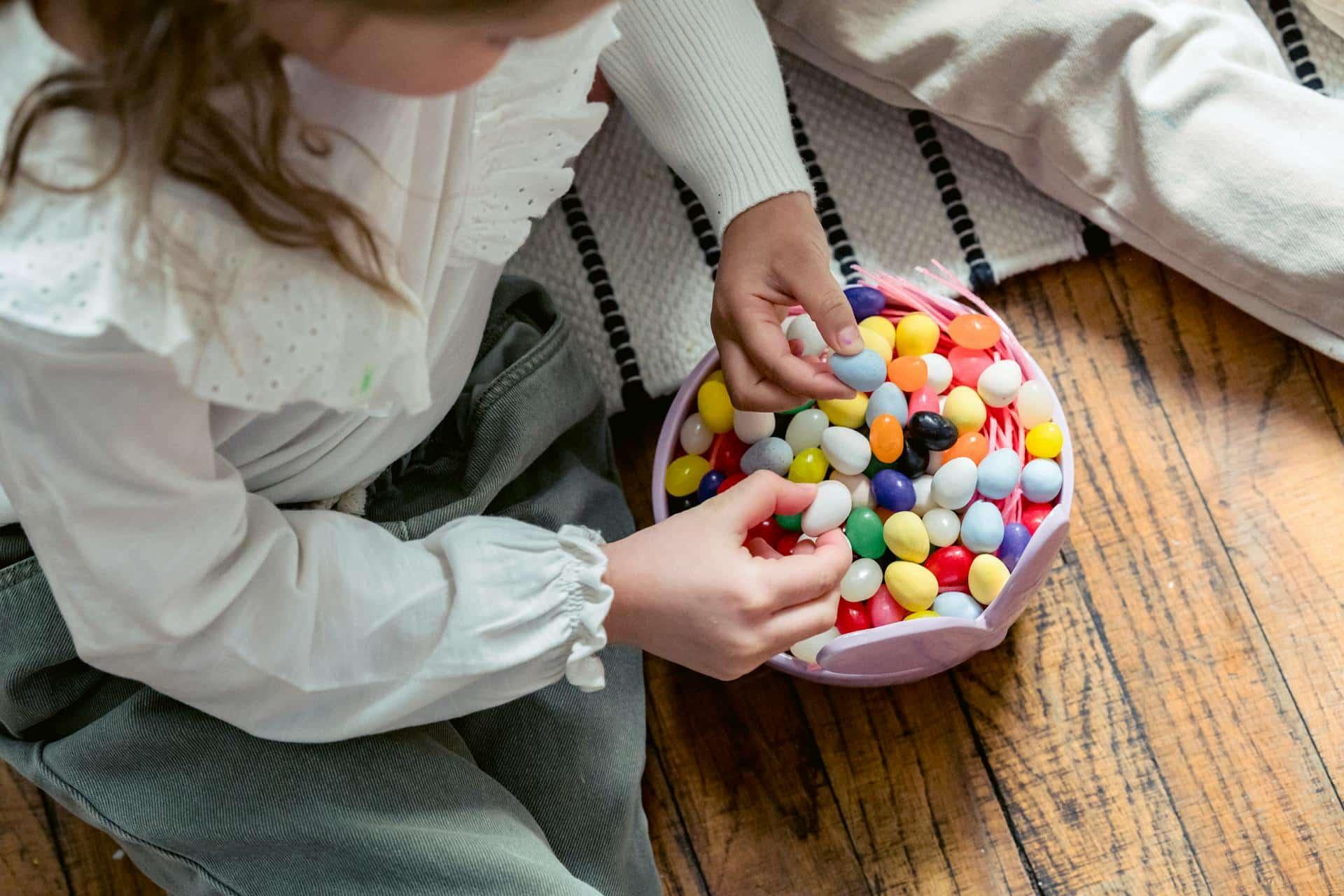
You know the moment. One second your child is calm and happy, and the next they seem to flip a switch: restless, irritable, unable to sit still or focus. Nothing dramatic happened. So what changed?
If your mind jumps to that half bag of gummy candy, the neon-pink soda, or some other treat "made for kids," you're on the right track. But sugar isn't the only thing to blame.
A U.S. study examined more than 40,000 packaged foods and drinks and reached a startling conclusion: nearly 28% of products marketed to children contained artificial dyes — roughly three times more than comparable foods aimed at adults. And those dyes don't just make the product look fun. They're substances that may actually affect behavior.
The same research found that these bright, colorful foods contained on average 141% more added sugar. In other words, kids get a sugar bomb and a dose of artificial additives at the same time — all tucked inside cheerful, "kid-friendly" packaging.
Why is a beautifully colored food actually a problem?
One of the most common additives is Red 40 (Allura Red AC), which alone showed up in 14% of the products studied. In animal studies, this food dye has been linked to allergic reactions and behavioral disturbances. According to California's public health authority, there's a clear connection between certain dyes and behavioral problems in children prone to hyperactivity and attention difficulties.
Based on one meta-analysis, roughly 8% of affected children show ADHD-like symptoms in response to artificial colorings.
The European Union has required warning labels since 2007 on products containing certain artificial dyes. These labels carry the phrase: "may have an adverse effect on activity and attention in children." The same rule applies across the EU — so it's genuinely worth glancing at the ingredient list before you drop something in your cart.
If you spot "colour: E129" or "Red 40," "Blue 1," "Yellow 5," or simply "artificial colours," you have every reason to think it won't do your child any favors.
While Europe has been tightening the rules for years, the United States is only now catching up. California removed Red 3 from school meals in 2023, and the FDA has announced that this additive will land on a nationwide ban list from 2027. The reasoning is twofold: Red 3 was found to be carcinogenic in animal studies, and its heavy use is often aimed squarely at children.
What can you actually do as a parent?
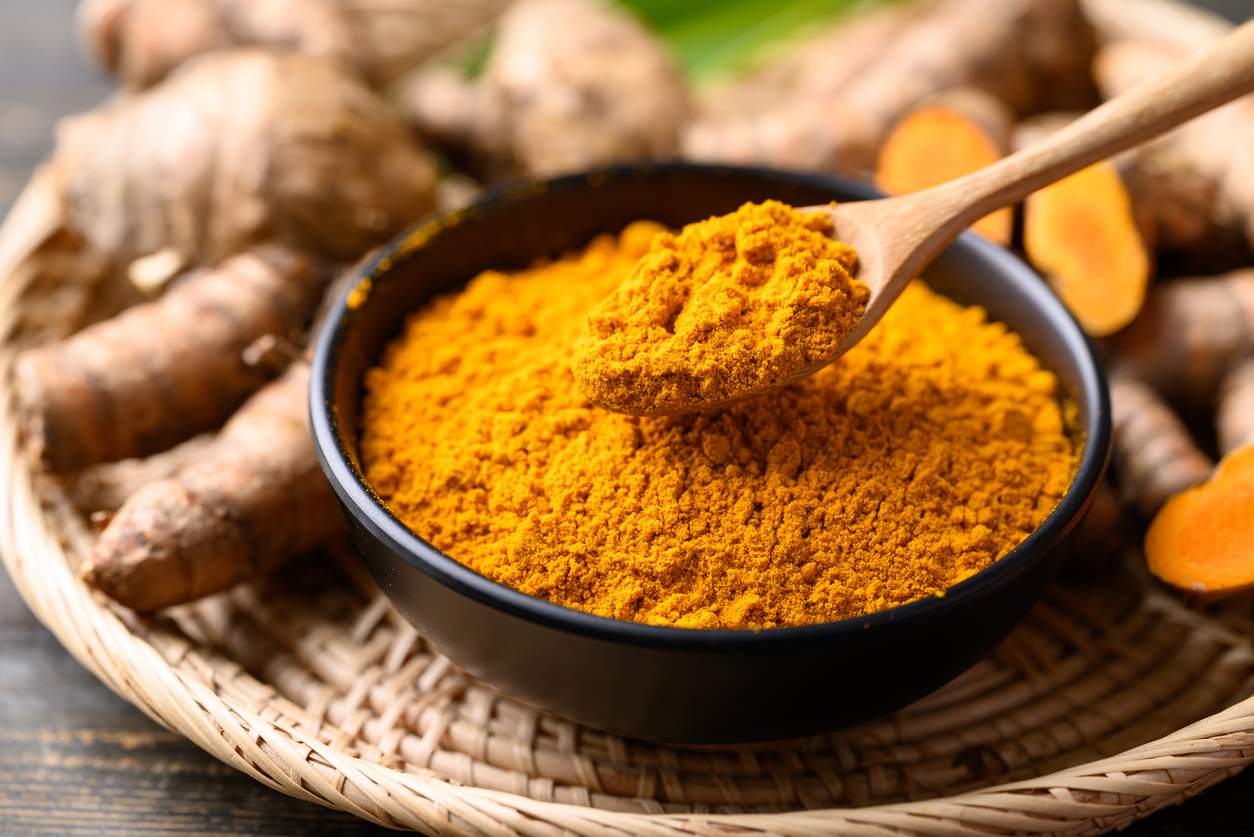
More and more manufacturers are switching to natural colorings (think beetroot powder, spirulina, turmeric), but cheaper, mass-produced sweets and snacks are still loaded with synthetic additives. You don't need to toss out everything colorful or pre-packaged overnight — just become a notch more aware.
Loud, vividly colored packaging often signals a long list of artificial ingredients — so it's worth reading what's actually behind those shades. A vibrant blue isn't necessarily blue because of blueberries, and red isn't always red thanks to strawberries (far from it).
Sometimes it's enough to swap the store-bought fruit yogurt for a plain version you mix yourself with real fruit, or pack dried fruit instead of gummy candy.
Even a small experiment can be revealing: watch your child's behavior for a week after you cut a few suspicious color-bombs from their diet. The difference is often more obvious than you'd expect.
You don't have to fear every color, but it pays to stay informed. Once you learn to read between the lines on the packaging, you become not only a smarter shopper but the architect of calmer everyday life for your child — and, honestly, for yourself too.
Which artificial dyes should I look out for on labels?
Keep an eye out for Red 40 (E129), Blue 1, Yellow 5, or anything simply listed as "artificial colours." In the EU, products with certain dyes must carry a warning about possible effects on children's activity and attention.
Is sugar or the dye the bigger issue?
It's often both at once. The research found that brightly colored foods contained on average 141% more added sugar, so children frequently get a sugar bomb and artificial additives in the same product.
How can I tell if a food contains artificial coloring?
Loud, vividly colored packaging is a common clue, but the surest way is to read the ingredient list. A vibrant blue or red doesn't necessarily come from real fruit.
What are some easy swaps for colorful packaged snacks?
Try mixing plain yogurt with real fruit instead of buying pre-made fruit yogurt, or pack dried fruit in place of gummy candy. Small changes like these already make a difference.
How quickly might I notice a change in my child?
According to the article, watching your child for about a week after removing a few suspicious dyes can be enough to notice a shift — often more visibly than you'd think.