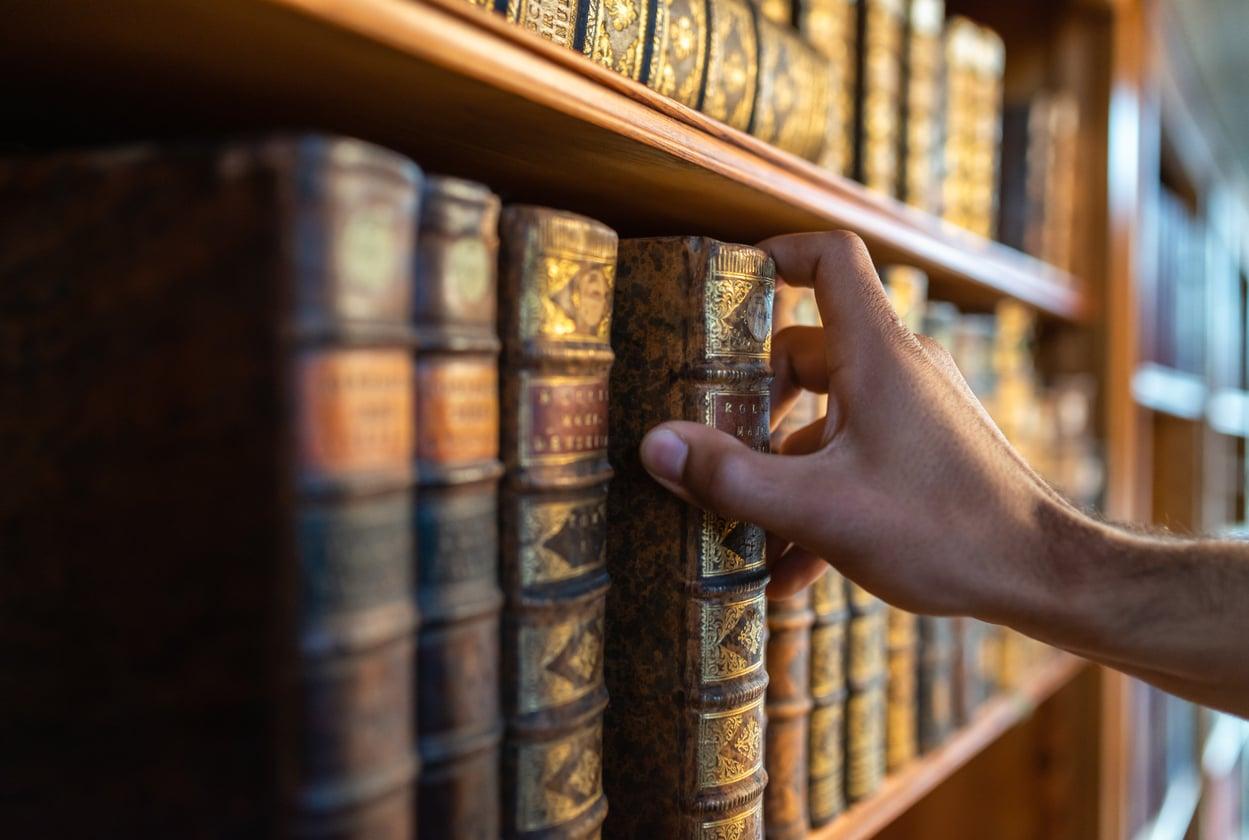
Most of us think of books as safe, comforting objects — portals to other worlds, not sources of physical danger. But scattered across libraries and private collections around the world, there are volumes that can actually make you sick. Not because of what's written inside them, but because of what they're made of.
A danger you can hold in your hands
For centuries, books have been treasured as vessels of knowledge and imagination. But some 19th-century books carry a hidden threat that has nothing to do with their content: arsenic hidden in their covers and pigments.
The vibrant, jewel-toned covers of certain Victorian-era books owe their color to arsenic-based dyes — particularly the striking greens that were fashionable at the time. A single touch is unlikely to cause harm, but prolonged or repeated contact with these books can pose real health risks. Today, specialists handle them with gloves and store them under carefully controlled conditions.
The invisible threat hiding in plain sight
What makes these toxic books so unsettling is how ordinary they look. For decades — sometimes longer — no one suspected anything was wrong. The arsenic was worked directly into the dyes used to color covers and decorative elements, making it completely invisible to the naked eye.
These books sat on shelves, passed through readers' hands, and were admired by collectors — all without anyone realizing the danger. Most known examples are now held in protected environments with special storage protocols, but the full extent of how many toxic books are still out there remains unknown.
Why was arsenic used in the first place?
In the 19th century, arsenic-based pigments were everywhere. They produced vivid, long-lasting colors at a low cost — a combination that made them irresistible to manufacturers. The health risks simply weren't understood yet, or were quietly ignored.
Arsenic dyes weren't limited to books, either. They appeared in wallpapers, textiles, toys, and all manner of everyday objects. Looking back, it seems alarming — but by the standards of the time, it was entirely normal practice.
By today's standards it seems shocking, but given the scientific knowledge of the era, it was considered perfectly acceptable. The danger was hidden in plain sight for generations.
Are modern books safe?
The good news is that today's publishing industry operates under strict regulations governing the materials used in production. Modern books carry no such risks — the toxic pigments of the Victorian era are long gone from printing and bookbinding.
Still, this story serves as a striking reminder that many everyday objects from the past concealed dangers that only came to light much later. Toxic books are now historical curiosities rather than active threats — but they remain a fascinating and sobering chapter in the history of print.
The dilemma for collectors and libraries
For book collectors, owning one of these rare toxic volumes is a double-edged privilege. These objects carry enormous cultural, historical, and scientific value — and an equally serious responsibility.
Their story also reframes what it means to preserve knowledge. Protecting a book isn't always just about safeguarding its contents. Sometimes the physical object itself must be protected — not only from the ravages of time, but from the risk it poses to the very people who want to experience it.
Few objects in the world carry so much knowledge, history, and hidden danger at once. Toxic books are a remarkable — and genuinely eerie — relic of a world that didn't yet know what it was handling.