Not every beautiful beach is a safe one. Some of the world's most breathtaking coastlines are hiding genuinely deadly dangers — powerful rip currents, frequent shark attacks, toxic jellyfish, and waters so polluted that even wading in is a health risk. Before you pack your swimsuit, here are 10 beaches where swimming could cost you your life.
Réunion Island, France
This stunning French overseas territory in the Indian Ocean has become infamous for shark attacks — so much so that several stretches of coastline have been permanently closed to swimmers. The combination of powerful ocean currents and a high concentration of bull and tiger sharks makes entering the water here genuinely life-threatening. Locals and authorities take the warnings very seriously, and so should you.
Kribi Beach, Cameroon
Kribi's golden sands look postcard-perfect, but beneath the surface the sea is anything but calm. Unpredictable swells and strong undercurrents can pull even confident swimmers off their feet within seconds. The beach's beauty is deceptive — this is one of West Africa's most hazardous stretches of coastline for anyone thinking of taking a dip.
Gansbaai, South Africa
Known worldwide as "Shark Alley," Gansbaai is one of the densest concentrations of great white sharks on the planet. Swimming here is simply not an option. That said, the area is famous for a reason — cage diving with great whites is a bucket-list experience for thrill-seekers, provided every safety precaution is followed to the letter.
Playa Zipolite, Mexico
Often called "the beach of the dead," Playa Zipolite has earned its grim nickname through years of tragedies. The surf here is driven by violent, shifting rip currents that can change direction without warning, catching even strong swimmers completely off guard. Local warning signs are not decoration — they are there for a reason, and many visitors have ignored them to fatal consequence.
New Smyrna Beach, Florida, USA
Florida may be synonymous with beach holidays, but New Smyrna Beach holds the unfortunate title of one of the most shark-bitten stretches of coastline in the world. Attacks here are frequent, though most are not fatal — sharks often mistake surfers' hands and feet for prey in the murky, fish-rich waters. Still, the sheer regularity of encounters is enough to make many people think twice.
Hanakapiai Beach, Hawaii, USA
Getting to Hanakapiai Beach requires a challenging hike through Kauai's stunning Na Pali Coast — and once you arrive, the view is absolutely worth it. Swimming, however, is not. The beach is battered by enormous shore-break waves and brutal currents that have claimed numerous lives. A sign near the trailhead keeps a running tally of deaths. Admire it from the sand, but stay out of the water.
Skeleton Coast, Namibia
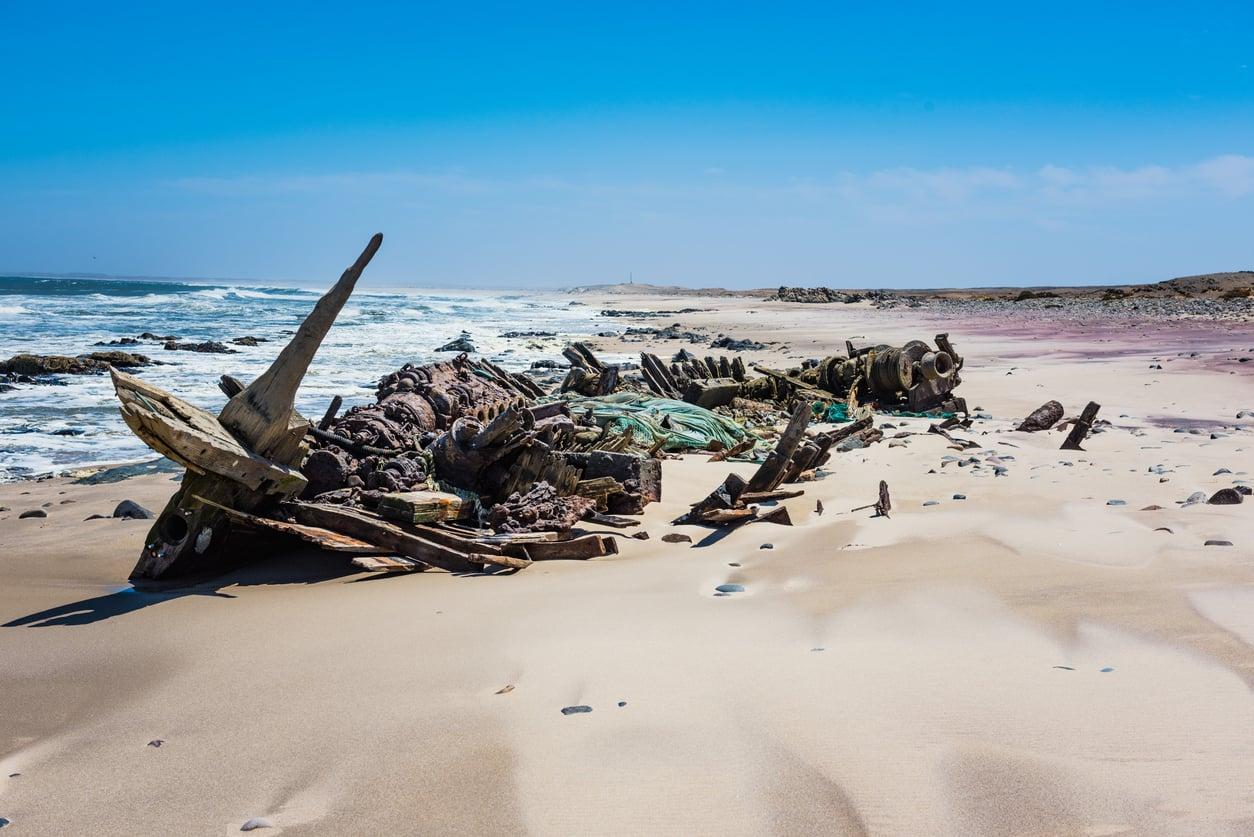
The name alone should give you pause. Namibia's Skeleton Coast is widely regarded as one of the most hostile and unforgiving shorelines on Earth. The icy Benguela Current sweeps down from Antarctica, generating ferocious waves and dense, disorienting fog that has wrecked ships for centuries. The coastline is littered with shipwrecks and whale bones — silent reminders of just how merciless this place can be. There are no lifeguards, no nearby hospitals, and no easy way out if something goes wrong.
Fraser Island, Australia
Australia has a well-earned reputation for wildlife that can kill you, and Fraser Island delivers on that promise in full. The waters around the world's largest sand island are home to venomous jellyfish, sharks, and powerful rip currents. On land, wild dingoes roam freely and have attacked visitors in the past. It is a truly spectacular place — just one that demands constant awareness and serious respect.
Chowpatty Beach, Mumbai, India
Chowpatty Beach is one of Mumbai's most iconic urban landmarks, beloved for its evening atmosphere, street food, and cultural festivals. But swimming here is strongly discouraged — and for good reason. The water is heavily polluted by urban runoff, making it unsafe for contact. During monsoon season, strong waves and unpredictable currents add a physical danger on top of the health risk. Think of it as a place to experience the city's energy, not a place to swim.
The lesson every traveller needs to hear
The world is full of magnificent coastlines, but beauty and safety are not the same thing. Wherever you travel, always check local warnings before entering the water, respect any flags or signs on the beach, and never underestimate the ocean. The sea does not negotiate.
If you're looking for beaches that are as safe as they are stunning, discover 8 of the world's most magical shores worth exploring — where the biggest risk is not wanting to leave.